


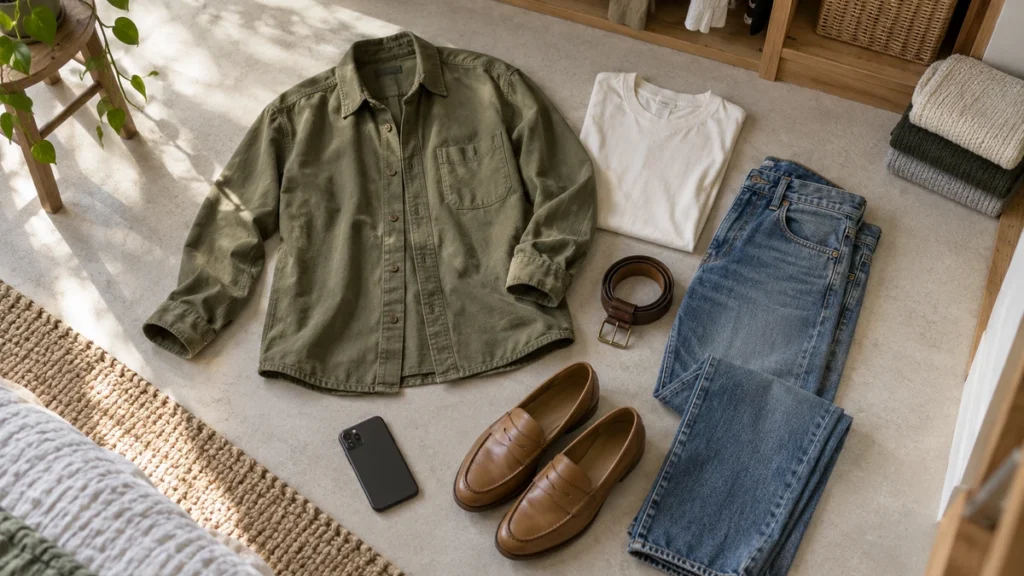
Yes, virtual try on for wardrobe decluttering can help you decide whether an unworn garment still belongs in your outfits. TryFits AI says it can create a digital twin from one selfie and preview clothes from your own closet, including full looks. Use that visual preview to investigate styling possibilities, then check the actual garment for fit, comfort and condition before deciding.
The useful question is not simply whether something looks good. It is whether you would wear it with the clothes, shoes and outerwear you already reach for. A cobalt blouse might feel stranded beside black work trousers but make sense with your faded jeans and an oatmeal cardigan.
Start with one uncertain piece rather than your entire wardrobe. Give it two realistic outfit opportunities: one for an ordinary day and one for a setting where you genuinely need clothes. Seeing those combinations on yourself can help separate an overlooked garment from one you keep inventing reasons to keep.
What TryFits AI can contribute to a wardrobe clearout
According to TryFits AI’s product information, the app supports trying on store finds or your own closet, building full looks and turning try-ons into videos. Those capabilities make it relevant to restyling clothes you own. They do not establish that the app automatically inventories your wardrobe, assesses garment condition or chooses what you should donate.
Treat the result as a visual suggestion. You can assess whether you like a color combination, whether a silhouette feels like your style, or whether a dress looks more useful with casual layers. You cannot establish whether a waistband pinches, wool scratches or a zip catches from a generated image.
The site’s explanation of previewing clothes on your body describes the result as a style preview, not a promise that a particular size will fit. For decluttering, your existing experience of wearing the item takes priority over a convincing render.
Choose the pieces that need a styling decision
Begin with garments whose problem is unclear. Perhaps you like the fabric but never finish an outfit, or bought a piece for one event and cannot imagine wearing it casually. These are better candidates for previewing than clothes with an obvious physical problem.
Set aside anything that needs repair or cleaning before making a final decision. A missing button can make a useful cardigan feel neglected; a damaged lining can make an otherwise attractive jacket uncomfortable. Neither problem is solved by generating a better outfit.
- A rust corduroy skirt you like but rarely combine successfully.
- A tailored grey waistcoat that feels too formal with its matching trousers.
- A floral dress you have only worn with wedding shoes.
- A bright knit that competes with every patterned bottom you own.
Choose three candidates for your first session. For each, identify the obstacle in plain language: too formal, hard to coordinate, difficult to layer or disconnected from your current routine. That gives you something specific to test rather than an open-ended search for an attractive image.
Test outfits that use what you already wear
Give an occasion dress an ordinary setting
Consider a navy floral midi dress in lightweight viscose. Preview a combination with your cream cotton cardigan and white trainers for a mild, dry afternoon. The knit softens the dress’s occasion feel, while casual footwear makes the outfit plausible for lunch or a museum visit.
For colder weather, consider the same dress with a fine merino layer, opaque tights and ankle boots you own. Check the real sleeves and armholes before assuming the layer fits underneath. If you need to purchase boots, a coat and a new bag to make the dress useful, record that cost rather than calling the outfit a wardrobe solution.
Change the partner of a difficult separate
A grey tailored waistcoat may feel restrictive as part of a matching suit but more relaxed over a white cotton T-shirt with straight indigo jeans. Preview that pairing before deciding the waistcoat no longer suits you. For work, try it with existing charcoal trousers and a soft blue shirt instead.
Keep fabric behavior in mind when you check the physical outfit. A substantial waistcoat can sit awkwardly over thick shirt seams even if the preview looks smooth. Button it, sit down and reach forward; pressure across the chest or restricted movement is evidence the image cannot supply.
Find a quieter base for a bright garment
Try a cobalt jumper with dark denim and brown leather boots, then with an oatmeal skirt if you own one. Plain partners let the color remain the focal point without requiring another statement piece. Keep the same jumper in both combinations so you can identify which supporting garment makes it feel wearable.
If your actual uncertainty is how two dark neutrals work together, the guide to wearing navy and black together offers useful starting combinations. Preview a specific outfit rather than judging a color in isolation.
Use a keep, repair or release decision
After previewing, try the strongest combination with the real clothes. Wear your normal underwear and intended shoes, and include the outer layer you need for the weather. A skirt outfit that works indoors may still be impractical if your only suitable coat leaves you cold.
Keep the item when you like the physical outfit, feel comfortable moving in it and can name a realistic occasion to wear it. One useful outfit can be enough for a specialist garment. Everyday clothes should earn their place through ordinary wear, not imagined invitations.
Choose repair or alteration when there is a specific, achievable fix: replacing a button, repairing a hem or shortening sleeves after advice from a tailor. Release it when the actual fit remains uncomfortable, maintenance feels unreasonable or every acceptable combination requires purchases you do not want to make.
For an unresolved piece, give it one planned wear on a suitable day. Note whether you actually choose it and how you feel after several hours. Keep sentimental garments as a separate decision; clothing can hold meaning without needing to function as everyday wardrobe space.
Common questions
Can TryFits AI tell me which clothes to declutter?
The supplied product information does not establish an automatic decluttering feature. TryFits AI can preview your own clothes and full looks, helping you explore styling options. Make the final decision using the real garment’s comfort, condition and usefulness in your routine.
Can a virtual try-on prove an old garment still fits?
No. A generated preview cannot confirm physical fit, pressure or ease of movement. Try the garment on, fasten it fully and test sitting and reaching. If it feels uncomfortable, do not let a smooth-looking image override that experience.
Should I buy something new to save an unworn item?
Test combinations with clothes you own first. Consider a purchase only if it also meets an independent wardrobe need and fits your budget. If an unworn blouse requires several new pieces before you would choose it, try another existing combination or let it go.