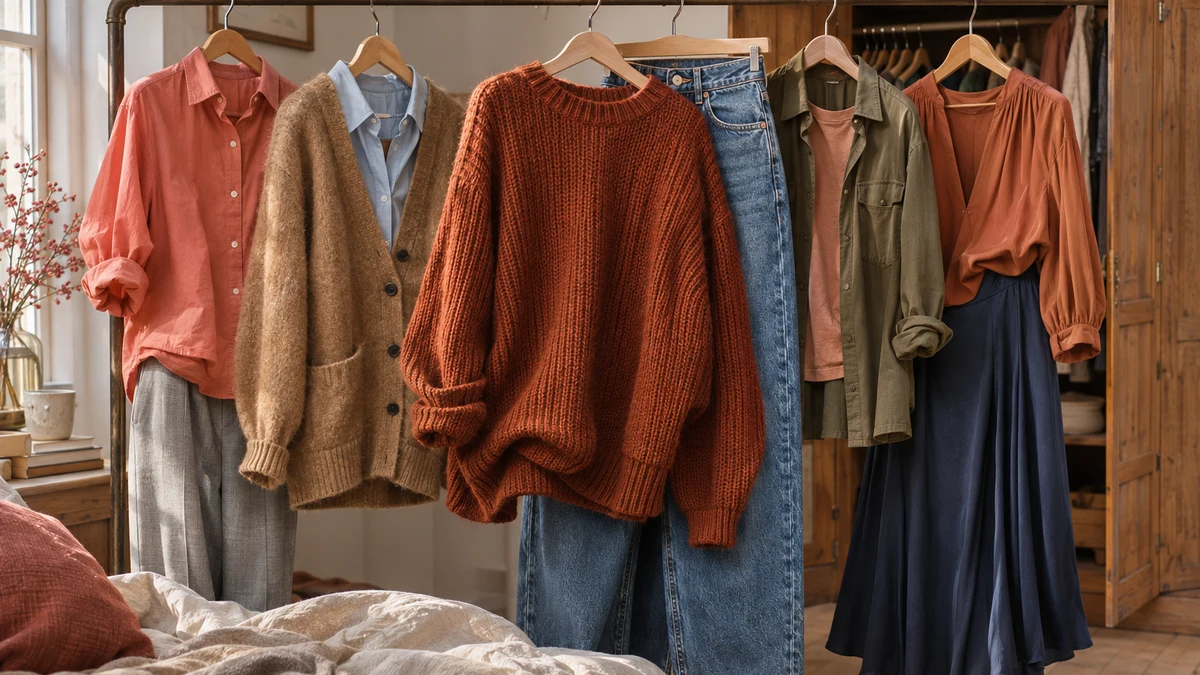
Yes, you can mix warm and cool colours in an outfit. Start with one colour covering most of the look, then add a smaller area of the contrasting temperature. A rust jumper with blue jeans is a straightforward example: the warm orange and cool blue create a clear contrast without needing matching accessories.
If a combination feels disconnected, check the fabrics and the strength of each shade before replacing anything. A bright coral shirt beside icy grey trousers creates a different effect from a muted terracotta shirt beside charcoal wool. Neither is wrong, but the second combination has less colour contrast competing for attention.
The useful question is not whether both colours belong on the same palette. It is whether you like their relationship on you, at the scale you plan to wear them. Comparing the same trousers with two different tops makes that easier to judge than looking at separate product photographs.
 LIVE FITTING
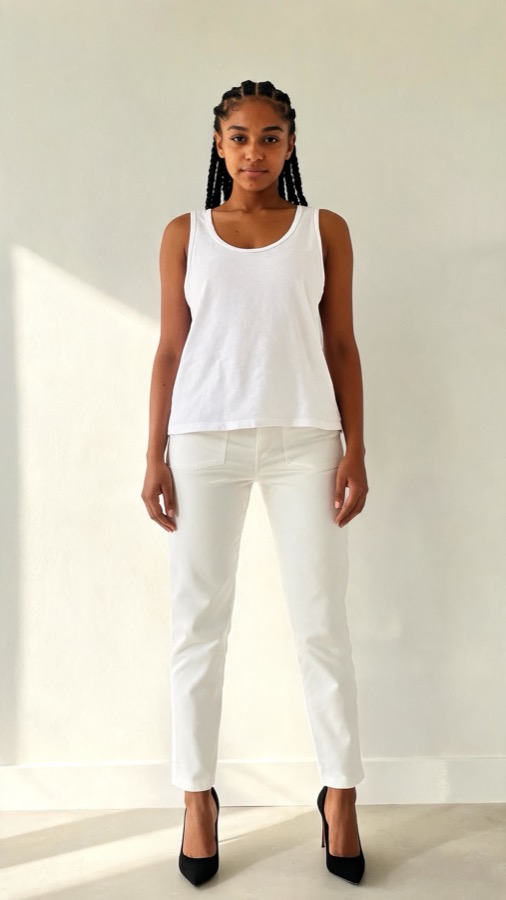

Judge the colour relationship, not your body
Warm colours generally lean towards yellow, orange or red; cool colours lean towards blue or violet. Individual shades complicate those labels. An olive green can look relatively warm beside a blue green, while a raspberry red can look cool beside tomato red.
You do not need to establish your skin undertone before combining clothes. If a colour near your face is not giving the effect you want, try wearing it as trousers, a skirt or a bag instead. That changes its position in the outfit without declaring the colour unsuitable for you.
GetWardrobe’s supplied outfit principles separate colour from lines, proportion and practical context. Use that approach here: first decide whether you enjoy the colours together, then check garment shape and comfort separately. A shirt that pulls across the buttons needs a fit adjustment, not a different colour theory.
Choose an anchor colour before adding contrast
For an easy starting point, choose a larger colour area and a smaller one. Navy trousers and a navy coat can anchor a peach knit; a camel dress can anchor a blue scarf. Equal amounts of two contrasting colours also work, but they usually create a more graphic result.
Next, compare intensity. Dusty blue and cinnamon both look softened, so their temperature difference can feel gentle. Cobalt and clear orange make a stronger statement. If you want less visual activity, mute one shade rather than automatically adding black.
Texture can provide another connection. Brushed wool and corduroy share a soft, matte surface even when their colours differ. Smooth satin against rugged denim makes the fabric contrast more noticeable, so keep accessories simple if you want the colour pairing to remain the focus.
Five warm and cool colour outfits to try
Rust knit with indigo denim for everyday wear
Wear a rust crewneck with straight indigo jeans and dark brown leather ankle boots. The orange leaning knit contrasts with the blue denim, while the brown footwear repeats some of the jumper’s warmth. Choose a hem that sits comfortably over the waistband, or tuck a fine knit if you prefer that finish.
For cold weather, add a navy wool coat and socks that cover the ankle when you sit. In milder conditions, substitute a rust cotton sweatshirt. If saturated rust feels stronger than you want, try a faded clay shade while keeping the jeans unchanged.
Camel trousers with a powder blue shirt for work
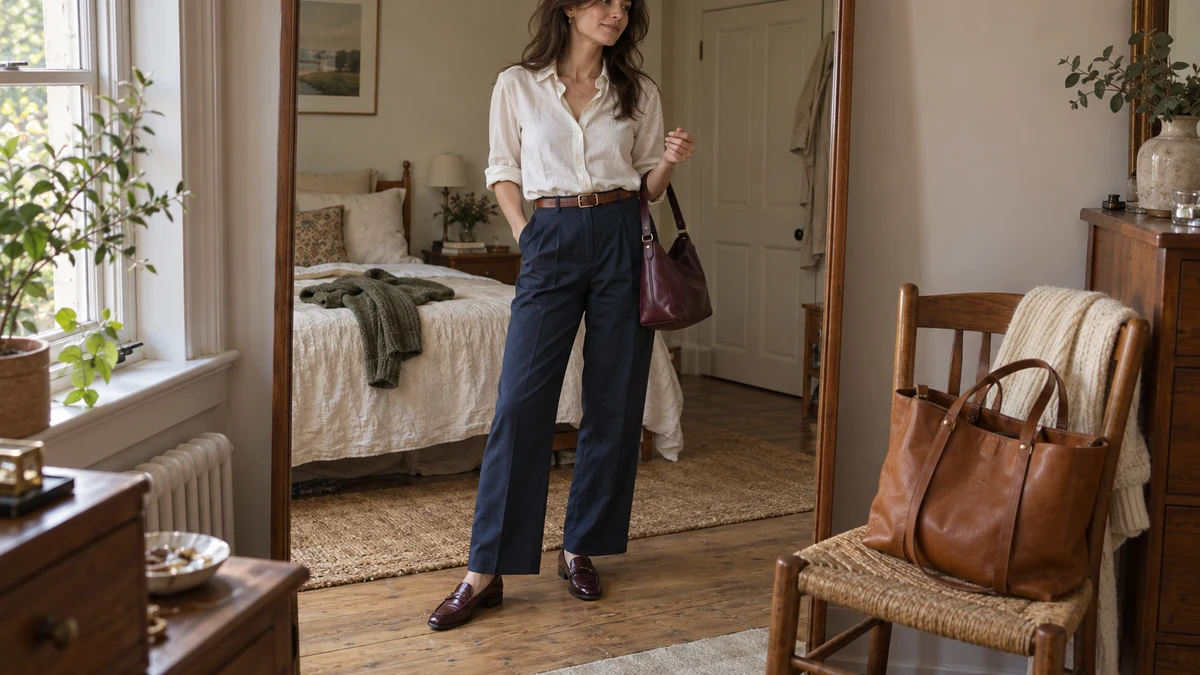
Pair camel wool blend trousers with a powder blue cotton shirt and chocolate loafers. The blue gives the warm trousers a crisp contrast without requiring a bright colour. A shirt with enough room through the shoulders lets you reach forward comfortably, whether worn tucked or loose.
Add a charcoal jacket when you need another layer. Its grey provides a quieter area between the two colours, particularly if the camel is quite golden. For a less formal workplace, use camel chinos and a blue Oxford shirt with a softly curved hem.


Olive skirt with a lilac jumper for a relaxed lunch
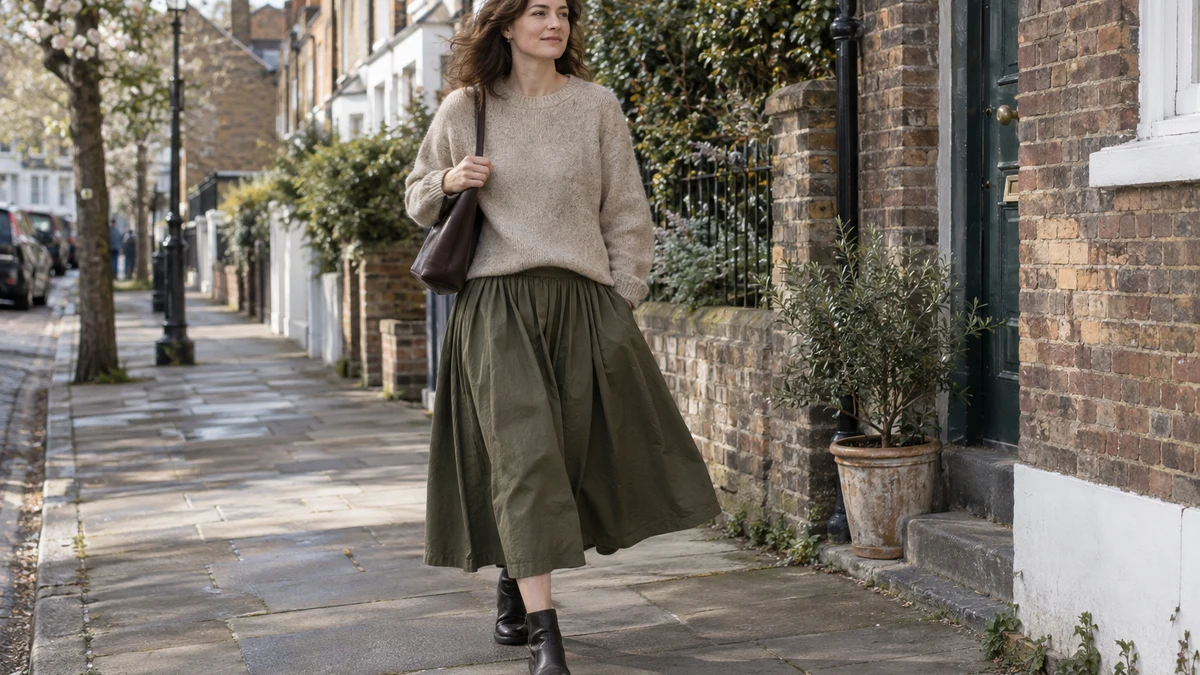
Choose a yellow leaning olive midi skirt and a muted lilac jumper. The green’s earthy quality makes the purple feel less sugary, while lilac introduces a cooler note. Black leather boots give the outfit a distinct finish; brown boots make the overall palette warmer.
A cotton twill skirt holds its shape, while a fluid woven version moves more freely around the legs. For winter, add tights and a coat with enough space over the knit. If the combination looks too pale for your taste, deepen the jumper to heather purple rather than changing every piece.
Chocolate trousers with an icy pink top for dinner
Wear chocolate crepe trousers with a cool pink blouse and burgundy flats. Look for pink with a blue or lilac cast rather than peach. The dark trousers give the pale top a clear background, and burgundy introduces another colour without adding a large contrasting area.
For a casual alternative, replace the blouse with a pink merino crewneck and the crepe with brown denim. A warm coat is more useful than a delicate evening layer if you will be waiting outside. Check pale tops under indoor lighting, since transparency can change their appearance over different underlayers.
Charcoal layers with a tomato red accessory
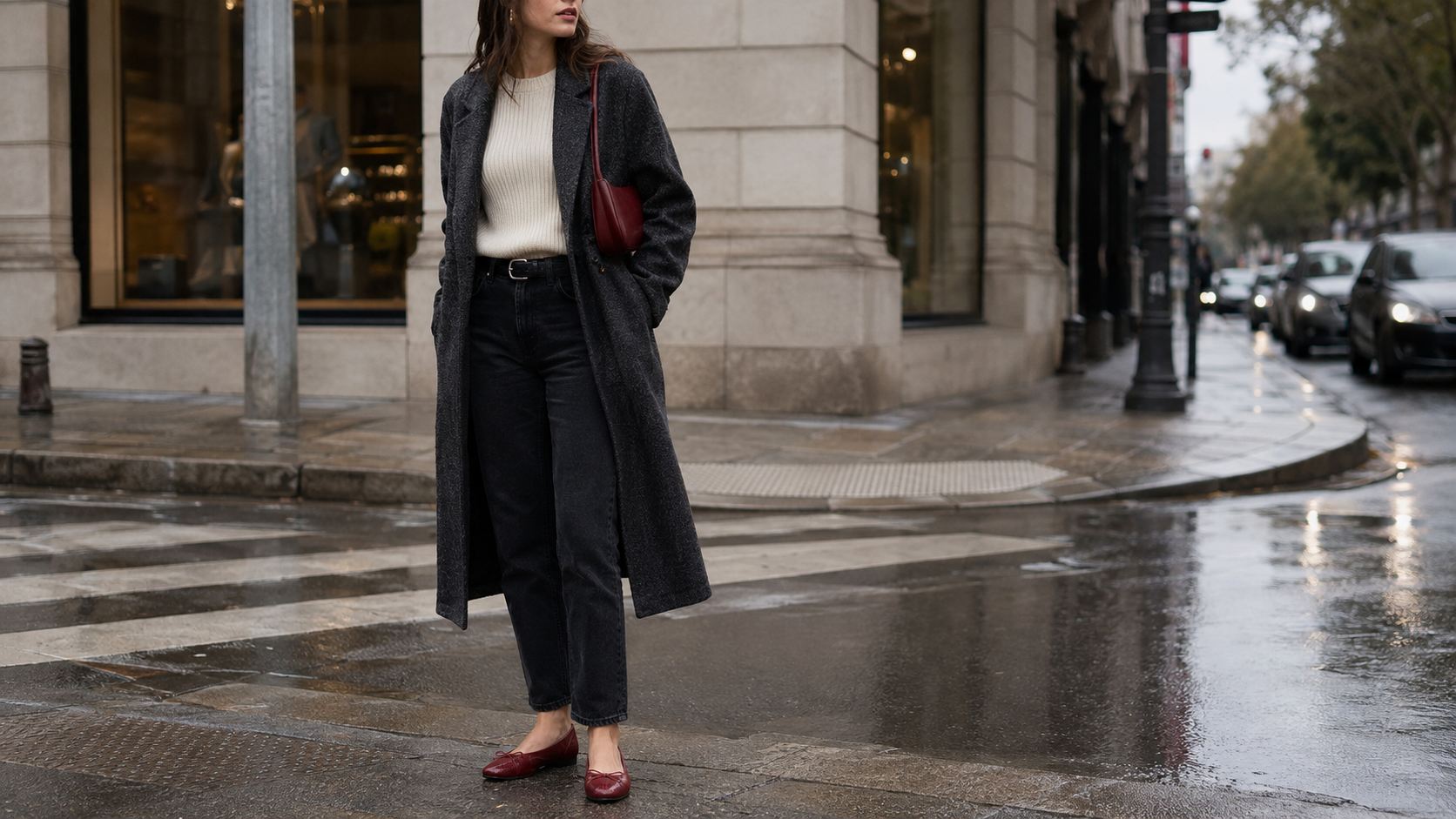
Start with charcoal trousers, a grey knit and black shoes, then add a tomato red bag or scarf. The red brings warmth into a predominantly cool outfit without committing you to a bright garment. Choose the scarf if you want the colour near your face, or the bag if you prefer it lower down.
This is also a useful way to test a colour you already own. Keep the accessory visible rather than mostly concealed beneath a coat. If your outer layer introduces another hemline, the guide to whether a jumper hem should show below a jacket can help you assess that separate proportion question.
Compare two versions before changing the outfit
Keep the garments constant and change just one colour area. Compare camel trousers with a cream shirt, then with powder blue. Take both photographs in the same daylight, with the same shoes, so lighting and styling do not obscure the difference.
A virtual try-on can provide a visual comparison, but treat the result as a preview rather than a colour guarantee. Screen settings, source photographs and lighting can shift subtle shades. Confirm close colour decisions with the actual clothes, especially when buying pieces intended to match.
Common questions
Can you mix warm and cool colours without a neutral?
Yes. Try a muted terracotta top with slate blue trousers, keeping shoes close to either colour. Similar softness connects the shades without cream, black or grey. Use fewer accessories initially so you can judge the pairing itself.
Do jewellery metals need to match clothing undertones?
No. Gold can sit against a cool blue shirt, and silver can contrast with a warm brown knit. Choose the effect you enjoy. If several accessories feel distracting, repeat one metal in the most visible pieces rather than replacing your jewellery collection.
What if two colours look different at home?
Check them together in daylight and in the lighting where you will wear them. Warm indoor bulbs can make cream appear yellower and alter how blues read. Keep return tags attached until you have assessed the complete outfit in both settings.