A longline waistcoat earns its place in a fall wardrobe because it does a quiet structural job. It gives shape to soft knits, makes a simple tee look considered and lets you layer without the arm bulk of a blazer. The best versions are cut from suiting wool, brushed cotton or a dense knit and fall somewhere between the high hip and upper thigh.
For anyone wondering how to style a longline waistcoat in fall 2026, the most reliable starting point is a dark tailored layer, a smooth underlayer and a bottom half with a clear line.
Styling one is less about following a body rule and more about checking the lines created by the neckline, hem and trousers. A waistcoat can look sharp on many proportions when the length, button placement and bottom half work together. Seeing those combinations before you order is especially helpful, because a few centimetres in hem length changes the whole outfit.
 LIVE FITTING

Choose a longline waistcoat with useful structure
For maximum outfit range, start with charcoal, black, espresso or deep navy. A V neck is easy over tees and shirts, while a square or round neck feels more minimal with bare arms. Look for armholes that sit close enough to the body to avoid showing too much of your underlayer, but not so close that the fabric pulls when you move.
Single-breasted buttons are the simplest place to begin. They make a clear vertical line and are easy to wear open or closed. A double-breasted waistcoat has more presence and works beautifully with plain trousers, but it can feel more formal. If the waistcoat has a back tab, use it to adjust the shape instead of sizing down and creating strain at the buttons.
Pair it with trousers that continue the line
Matching trousers are the cleanest option. A charcoal waistcoat and wide-leg charcoal trousers create a long column, especially with a fitted tee or fine knit underneath. Let the trouser leg skim the shoe and choose a belt only if the waistband needs it. A visible belt can cut the column in half, while a hidden fastening keeps the silhouette calm.
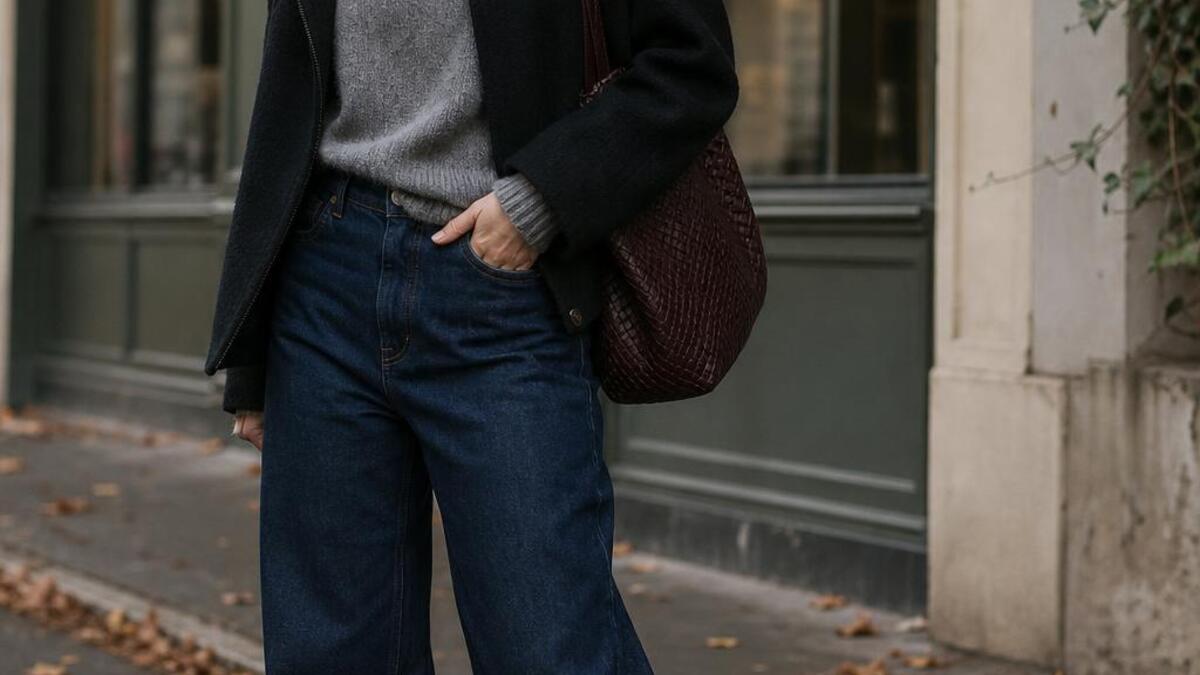
Contrast trousers work too. Try an espresso waistcoat with black trousers, or a black waistcoat with dark indigo jeans. The palette is close enough to feel intentional but gives the outfit depth. If you are unsure about dark combinations, our guide to wearing brown and black together has useful starting points.
Use a waistcoat to solve the in-between-weather problem
Over a white poplin shirt, a waistcoat gives you the polish of suiting without committing to a full jacket. Roll the shirt cuffs once, leave the collar open and add loafers or pointed flats. This works for a meeting, lunch or travel day when you want to look composed but do not want layers fighting for space on the train.
Over a fine ribbed knit, it feels softer. Choose a knit that follows the body without clinging, then let the waistcoat create the definition. Cream under charcoal, pale blue under navy and soft grey under espresso are easy fall combinations. A longer coat can sit over this without the bunching that often happens when you stack a knit, shirt and blazer together.
Style one with jeans, skirts and dresses
Dark straight jeans turn a waistcoat into an everyday piece. Wear it buttoned over a slim tee, add loafers and carry a structured bag. The key is a jean with a clean finish, not a heavily distressed pair. This lets the waistcoat remain the tailored element and makes the outfit feel relaxed rather than like officewear worn off duty.


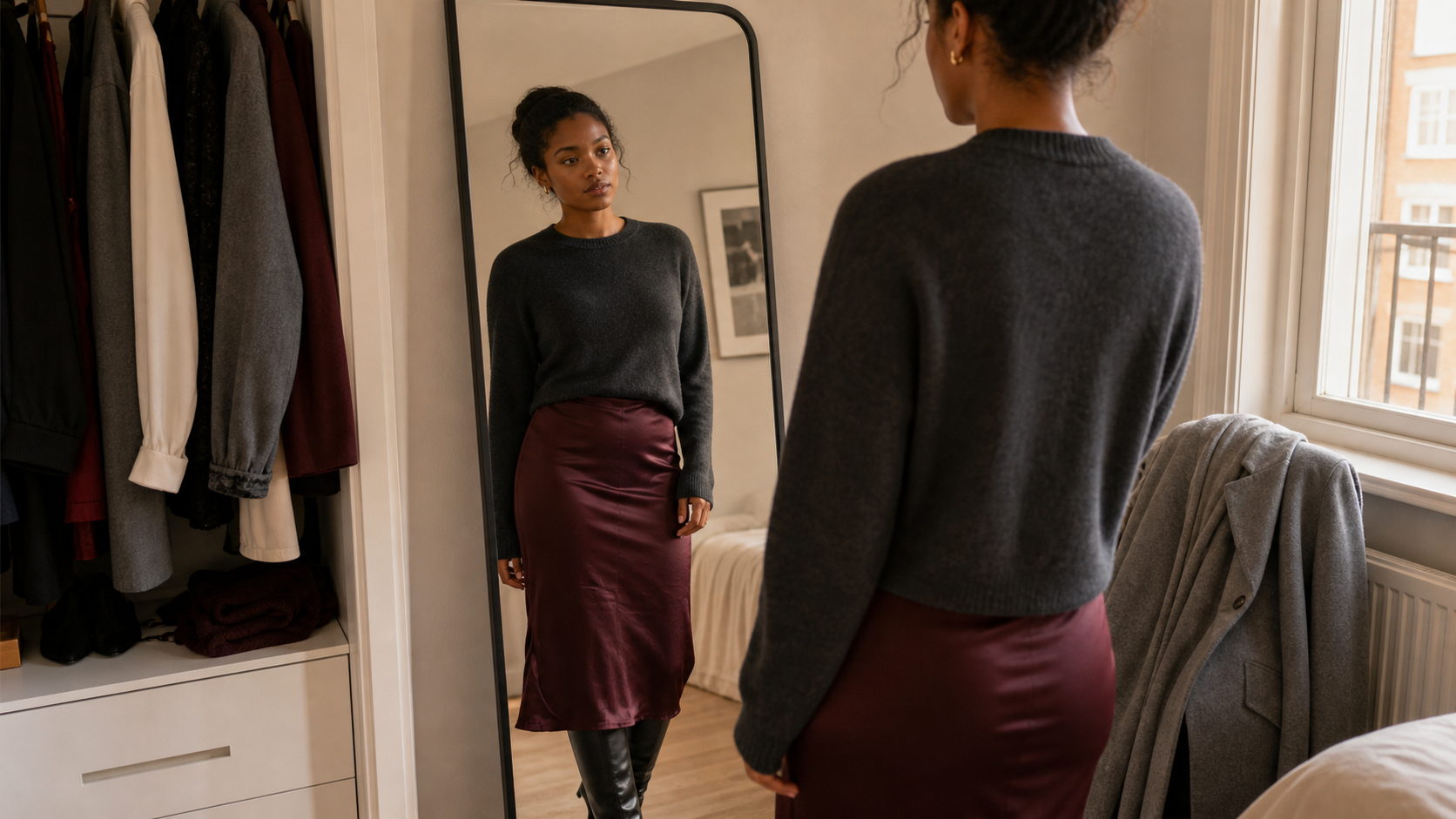
With a satin or slip skirt, choose a waistcoat that ends near the narrowest point of your torso. A cropped or high-hip length works better than a very long one over fluid fabric. Keep the top beneath it simple, then add boots when the weather cools. A waistcoat over a slim knit dress can also work, particularly when you want a little waist definition without covering the dress completely.
Check the proportions before committing
Button the waistcoat, stand naturally and look at where the hem lands against your trousers or skirt. If it ends at the widest point of your hips and feels awkward, try the next length rather than assuming the garment is wrong for you. A longer version, an open front or a higher-rise bottom can change the balance immediately.
Pay attention to the shoulder line as well. A slightly extended shoulder gives a sharp, borrowed-from-suiting effect. A narrow shoulder feels lighter and more traditionally feminine. Neither is better. The right one is the version that works with your coat, bag and the jeans or trousers you wear most often.
A longline waistcoat is not a disguise or a fix. It is a layer that lets you decide where you want the clean line in an outfit.
Easy outfits to try first
- Charcoal waistcoat, white tee, matching wide-leg trousers and burgundy loafers.
- Espresso waistcoat, cream ribbed knit, dark straight jeans and a brown shoulder bag.
- Black waistcoat, pale blue poplin shirt, black satin midi skirt and tall boots.
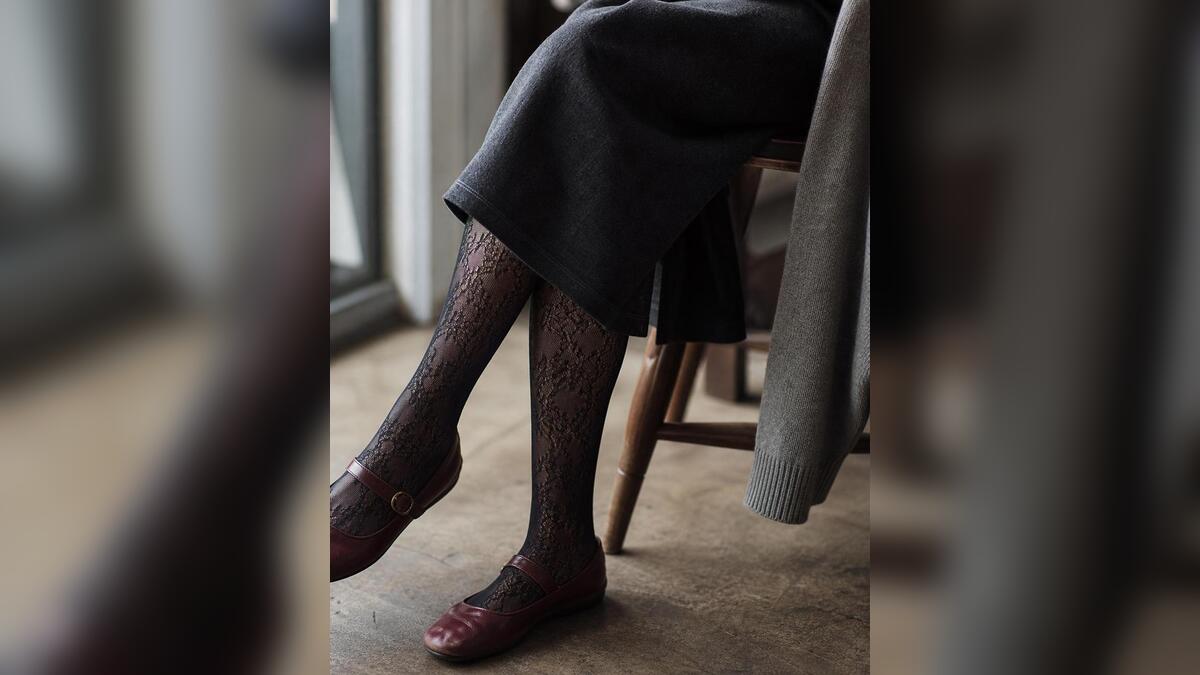
Try each combination with the shoes you would really wear, rather than evaluating it barefoot in a fitting room. The shoe changes the trouser break and the apparent length of the waistcoat. Comparing those small details on yourself makes it easier to choose the version that will become a regular layer rather than a clever purchase that stays on its hanger.
Common questions
What do you wear under a longline waistcoat?
A fitted tee, fine knit, poplin shirt or slim dress all work. Keep the underlayer smooth so the waistcoat can hold its shape.
Can you wear a longline waistcoat with jeans?
Yes. Dark straight jeans and polished shoes make the tailored layer feel easy for everyday plans.
Should a longline waistcoat be buttoned?
Button it when you want a defined waist and a clean column. Wear it open when you want the underlayer or dress to remain more visible.