Job interview outfits carry more pressure than almost anything else in your closet. You are not just picking clothes, you are deciding how a stranger will read you in the first ninety seconds before you have said a word. That is exactly why so many people freeze in front of the wardrobe the night before, pulling out three blazers and still feeling unsure which one actually looks right on them rather than just on the hanger.
The problem is rarely a lack of options. Most people already own something interview appropriate. The real problem is not being able to see the finished look on their own body until they are already dressed and running late. A blazer that reads sharp on a mannequin can sit oddly across the shoulders on you, and a blouse that looked crisp in a product photo can gape at the buttons in a way you only notice in a bathroom mirror at 8am.
Why interview dressing is harder than everyday dressing
Everyday outfits give you room to adjust. If a sweater feels slightly off, you swap it and move on with your day. An interview outfit does not get that grace period. You need to commit the night before, sometimes days before if the item is coming from a store, and you rarely get a second dry run in the actual lighting of the interview room.
 LIVE FITTING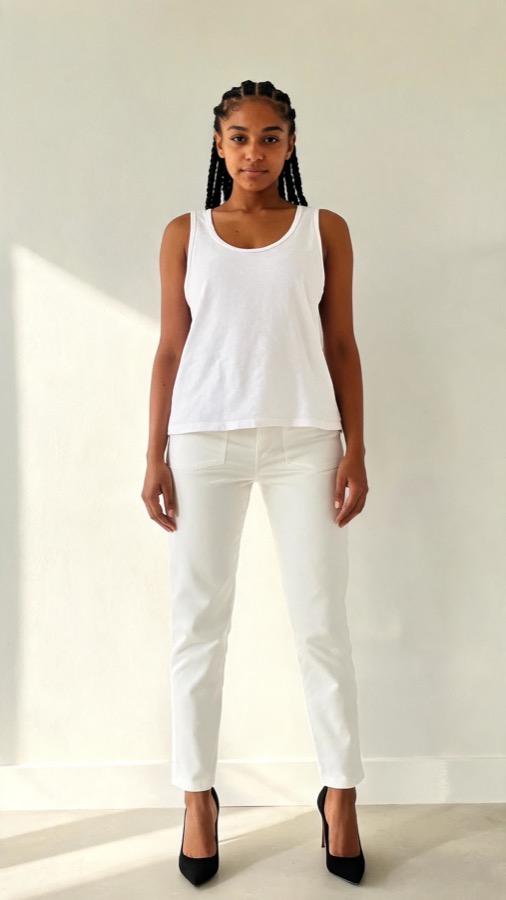

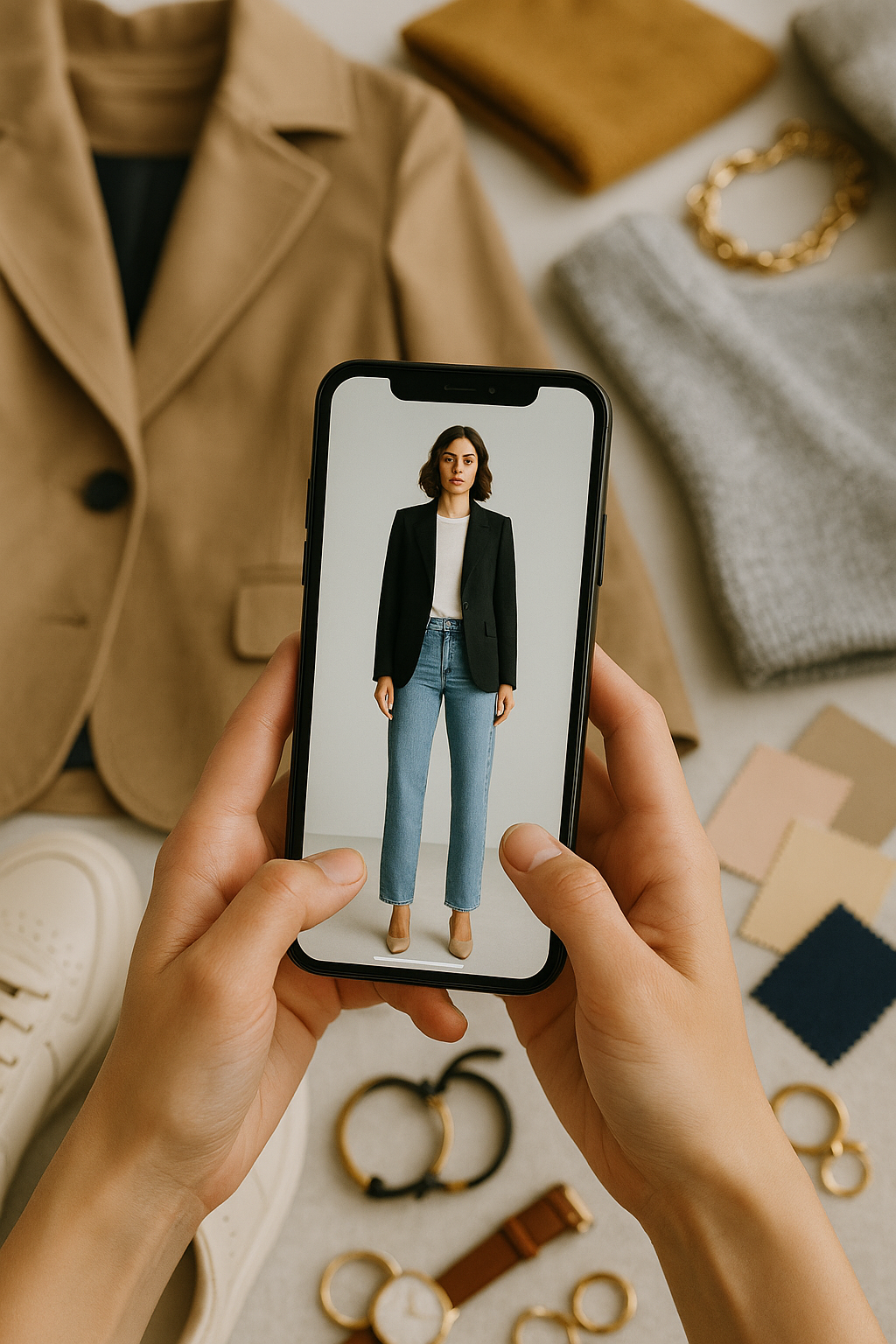
This is where AI virtual try on for job interview outfits changes the calculation. Instead of guessing how a blazer will drape or whether a certain shade of navy reads as professional or washes you out, you can preview the exact piece on your own proportions before you buy it or before you commit to wearing it. TryFits AI builds a digital twin from a single selfie, so the try-on reflects your actual shoulders, your actual height, your actual coloring, not a generic model three sizes smaller.
Using try-on to make real interview decisions
Say you are torn between a structured charcoal blazer and a softer camel one for a finance interview. On a screen, both look competent. On your body, one might elongate your frame while the other cuts you off at an unflattering point. Previewing both on your own digital twin turns a guessing game into an actual comparison, the same way you would compare two dresses side by side if you had time to try them both on in a fitting room.
The same logic applies to blouses and shells worn under blazers. A silk blouse that photographs beautifully can be sheer under fluorescent office lighting, and a crew neck top that looks polished in a flat lay can bunch under a blazer collar. Seeing the full layered look on yourself, blazer over blouse over trousers, catches these problems before they become a last minute outfit change with your interview in forty minutes.
Video interviews change the calculus too
Not every interview happens in a room anymore. Video interviews only show you from roughly the chest up, which means color and texture near your face do the heavy lifting while your trousers barely matter. A busy print that reads fine in person can strobe or blur on a webcam, and a pale blouse can wash you out against a plain wall background. Trying a top on your own face and shoulders first, rather than relying on how it photographs on a stranger, gives you a much more honest read on what a hiring panel will actually see on their screen.


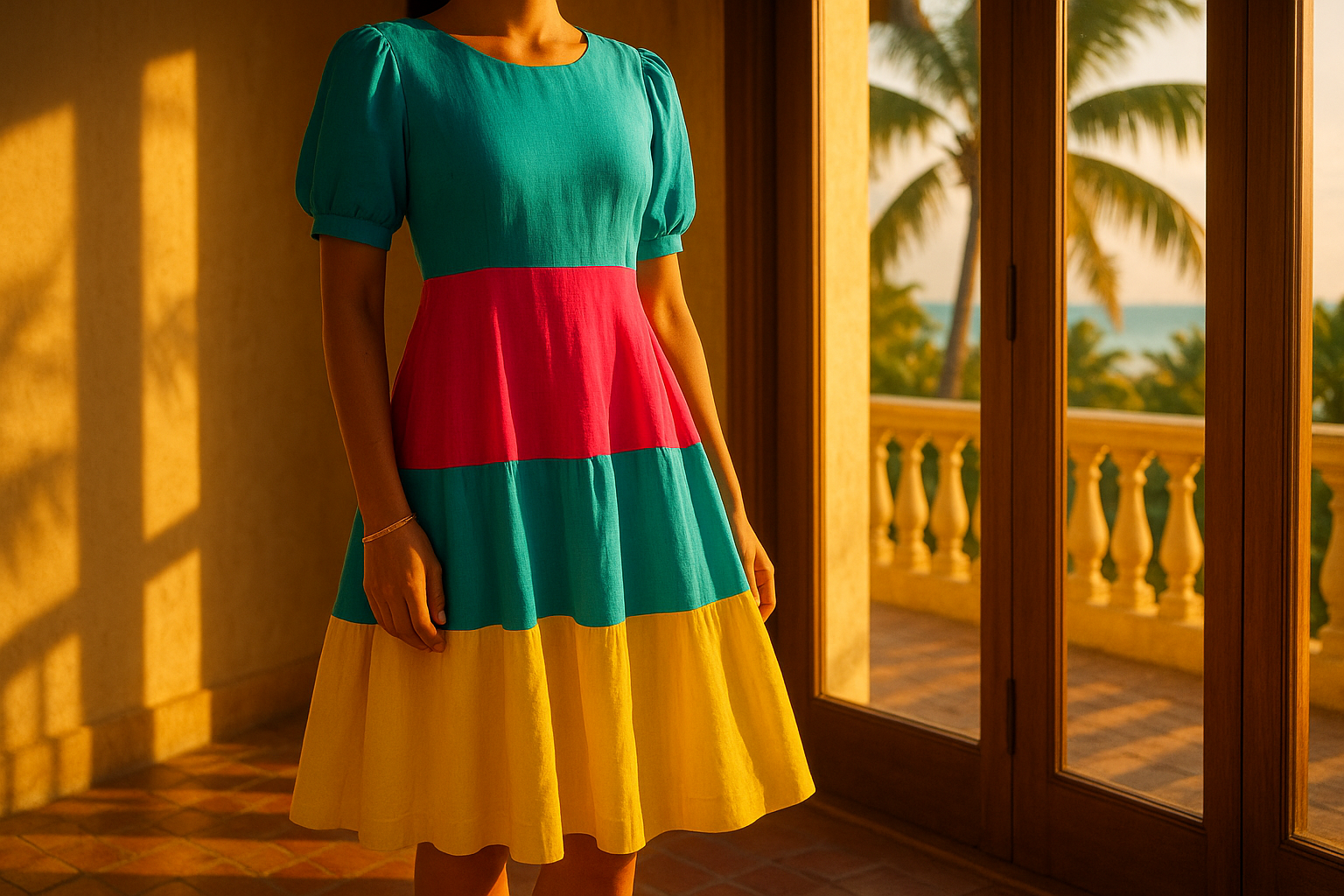
Industry also changes what “interview appropriate” means, and a one size fits all rule rarely holds up. A creative agency interview might reward a bolder color or a more fashion forward silhouette, while a law firm or bank still leans conservative. Previewing the same blazer in two different colorways, or against two different trouser cuts, helps you calibrate the outfit to the room you are actually walking into rather than a generic idea of “business professional.” If you are dressing for a career fair rather than a one on one interview, the same layering logic applies, just with a bit more room to show personality since you are meeting several recruiters instead of one panel.
Fit uncertainty is also one of the biggest reasons interview outfits get returned or left unworn in the closet. If you are ordering a new blazer online because your current one is outdated, checking the size against your own body before it arrives means less scrambling two days before the interview when a size ten runs small and you need a replacement overnight. Confidence in how you look translates directly into how you carry yourself in the room, and that matters more in an interview than in almost any other setting. The same approach that works for a single interview outfit works just as well when you are building a full rotation for a week of career fair events, since you can preview several combinations back to back instead of laying every option out on the bed the night before.
Common questions
Can AI virtual try on actually show how a blazer fits my shoulders?
Yes. TryFits AI builds your digital twin from your own photo, so the try-on reflects your actual shoulder width and proportions rather than a standard model size, which is the detail that matters most for structured pieces like blazers.
What should I wear to an interview if I am not sure how formal the company is?
Lean slightly more polished than you think you need to, then use try-on to compare a fully buttoned blazer look against a softer cardigan and blouse combination, and pick whichever reads more confident on your own frame rather than guessing from the job listing alone.
Does color matter that much for a job interview outfit?
It matters more than most people assume, especially for video interviews where color near your face is the main visual signal. Navy, charcoal, and deep jewel tones tend to read as composed and trustworthy, while very pale or very saturated colors can distract or wash you out depending on your coloring.