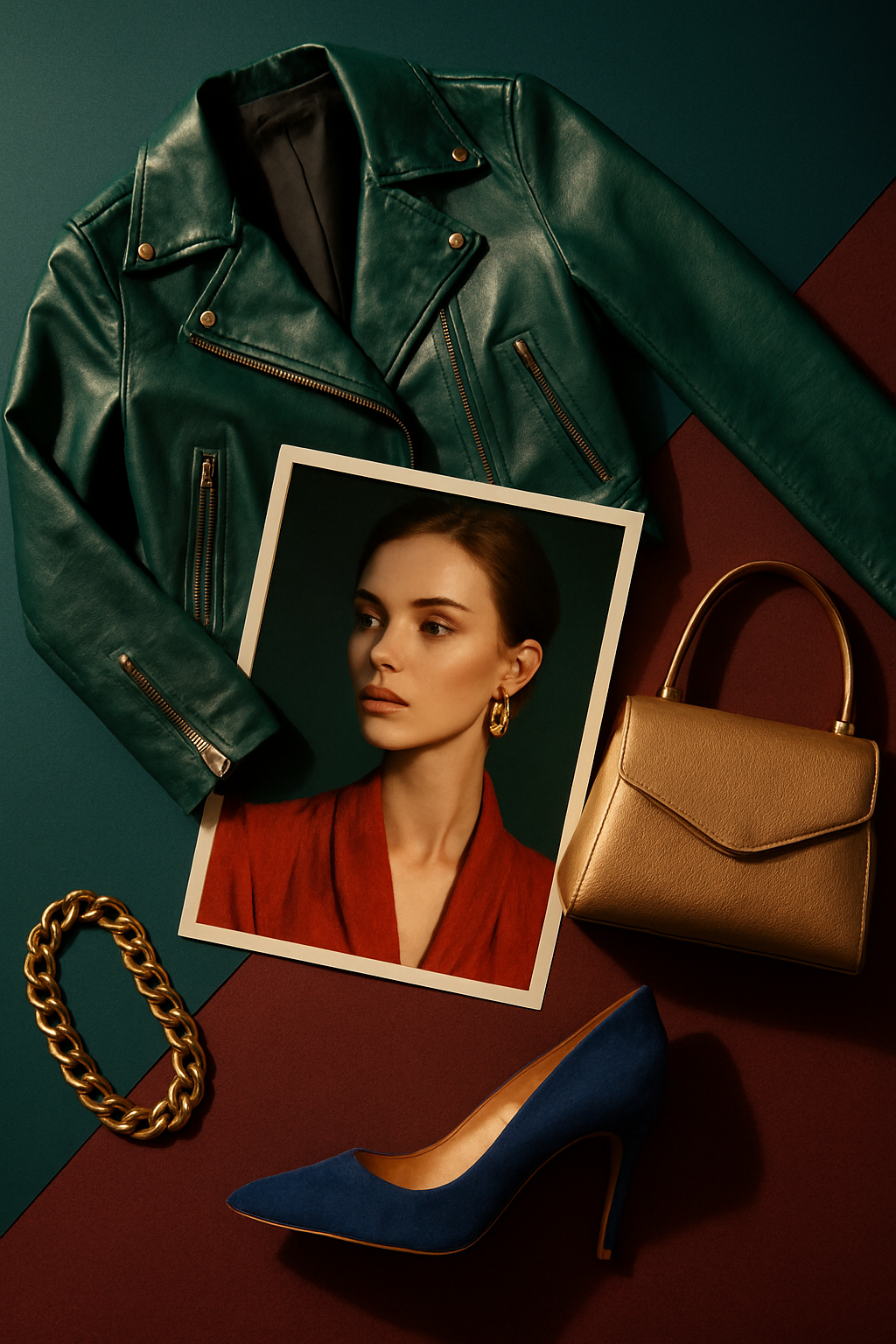
What exactly is virtual fashion and why is everyone talking about it?
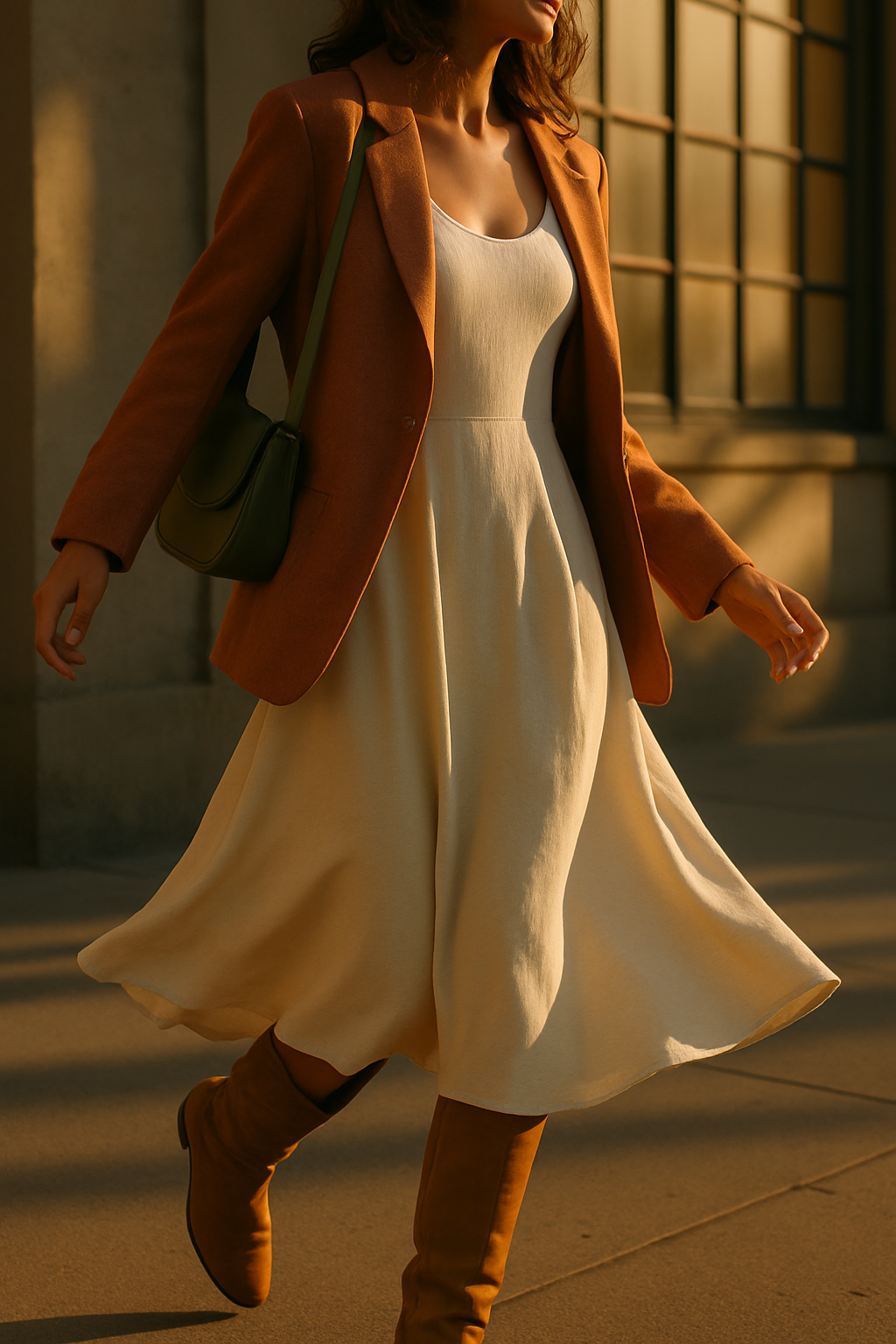
Virtual fashion is the next evolution of digital style. Instead of only editing photos with filters or buying physical clothes, people are now “wearing” digital outfits online. These outfits exist only in pixels but look stunningly real in photos and videos. Think of it as wearing a couture piece that’s designed for your digital persona rather than your physical closet.
Here’s what works: virtual fashion lets you show off creativity, explore trends, and experiment with bold looks without wasting money or resources. Social media users, especially Gen-Z and younger millennials, are already embracing this. A digital leather jacket for your post or a shimmering gown for your avatar has the same social currency as a luxury handbag – sometimes more.
Real-world example: fashion influencer @neonmija on Instagram collaborated with a digital fashion studio to post AI-generated outfits that look completely realistic. Her followers loved it, engagement spiked, and brands noticed. Bottom line: virtual fashion isn’t niche anymore. It’s becoming a mainstream social flex.
 LIVE FITTING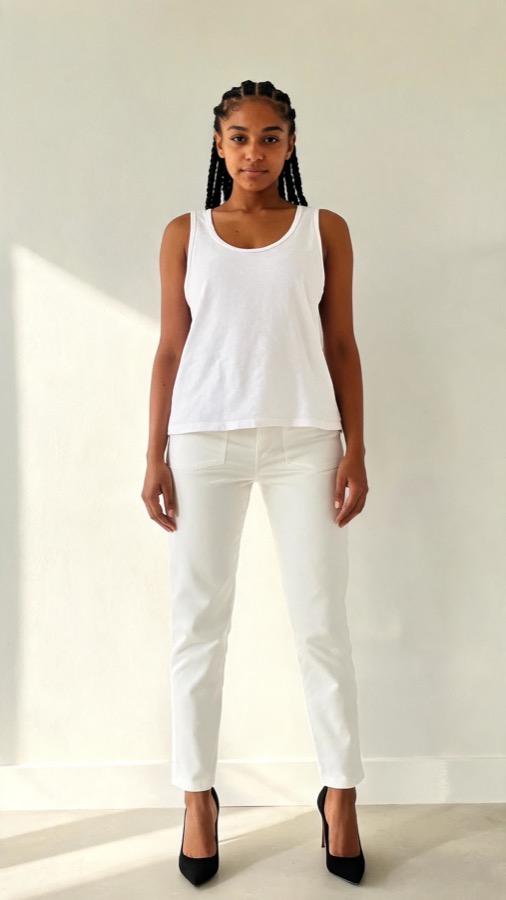

How does virtual fashion work behind the scenes?
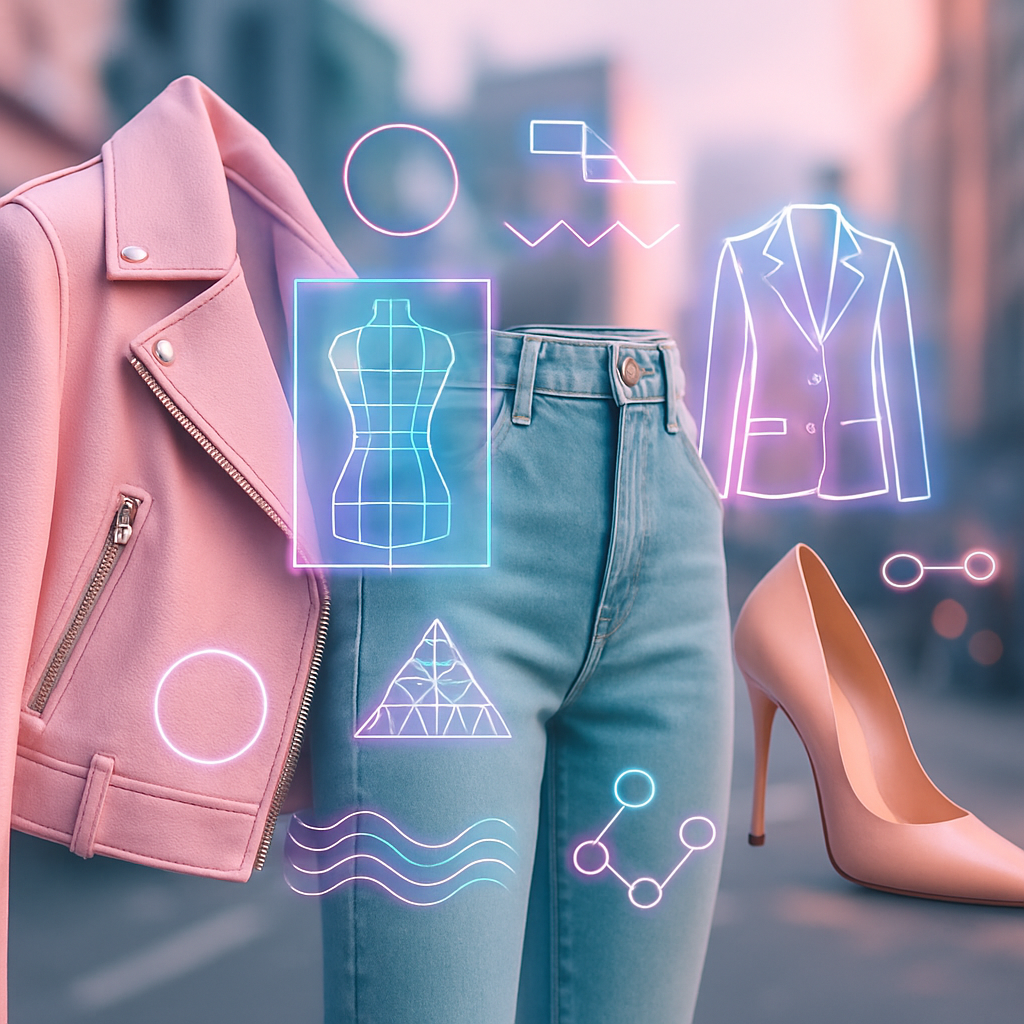
Virtual fashion combines 3D design, AI, and augmented reality. Designers create garments digitally using modeling tools like Clo3D or Blender. Then, apps like Tryfits AI use artificial intelligence to realistically “fit” those clothes on your photo or video. The result looks as if you actually wore the item, lighting and shadows included.
The most effective approach is using platforms that require minimal setup. With Tryfits AI, for example, you upload a photo, pick a style, and the app generates a virtual try-on that looks shockingly realistic. No green screen, no editing software, no technical know-how required. This makes it practical for creators, stylists, and anyone who wants to experiment with fashion before committing to a purchase.
Pro tip: use high-quality photos with good lighting to get the best results. Apps can only render realistic try-ons if they have a clear base image to work with.
Why is virtual fashion such a big deal on social media?
Social media thrives on visuals, and virtual fashion gives users infinite creative freedom without logistical limits. You can “wear” a futuristic dress made of light, a metallic trench coat, or a runway piece from Paris Fashion Week without ever leaving home. For content creators, this means new ways to stand out in crowded feeds.
Real-world scenario: a lifestyle influencer can post seven completely different looks in one week without spending a dime on shipping or returns. Each outfit can match a theme or color palette. The algorithm loves variety, and followers see the creator as endlessly stylish and innovative. That’s what drives engagement and follower growth today.
Bottom line: virtual fashion has become the new filter. Instead of adjusting brightness or skin tone, users now adjust entire outfits. It’s the evolution of personal branding online.
Can virtual fashion actually help with real-world shopping?
Yes, and that’s where it gets practical. Virtual try-on tools are bridging the gap between online browsing and in-store fitting rooms. The biggest frustration in e-commerce is buying clothes that don’t fit or look right. Virtual try-on apps solve that by showing you how garments would look on your real body type before you buy.
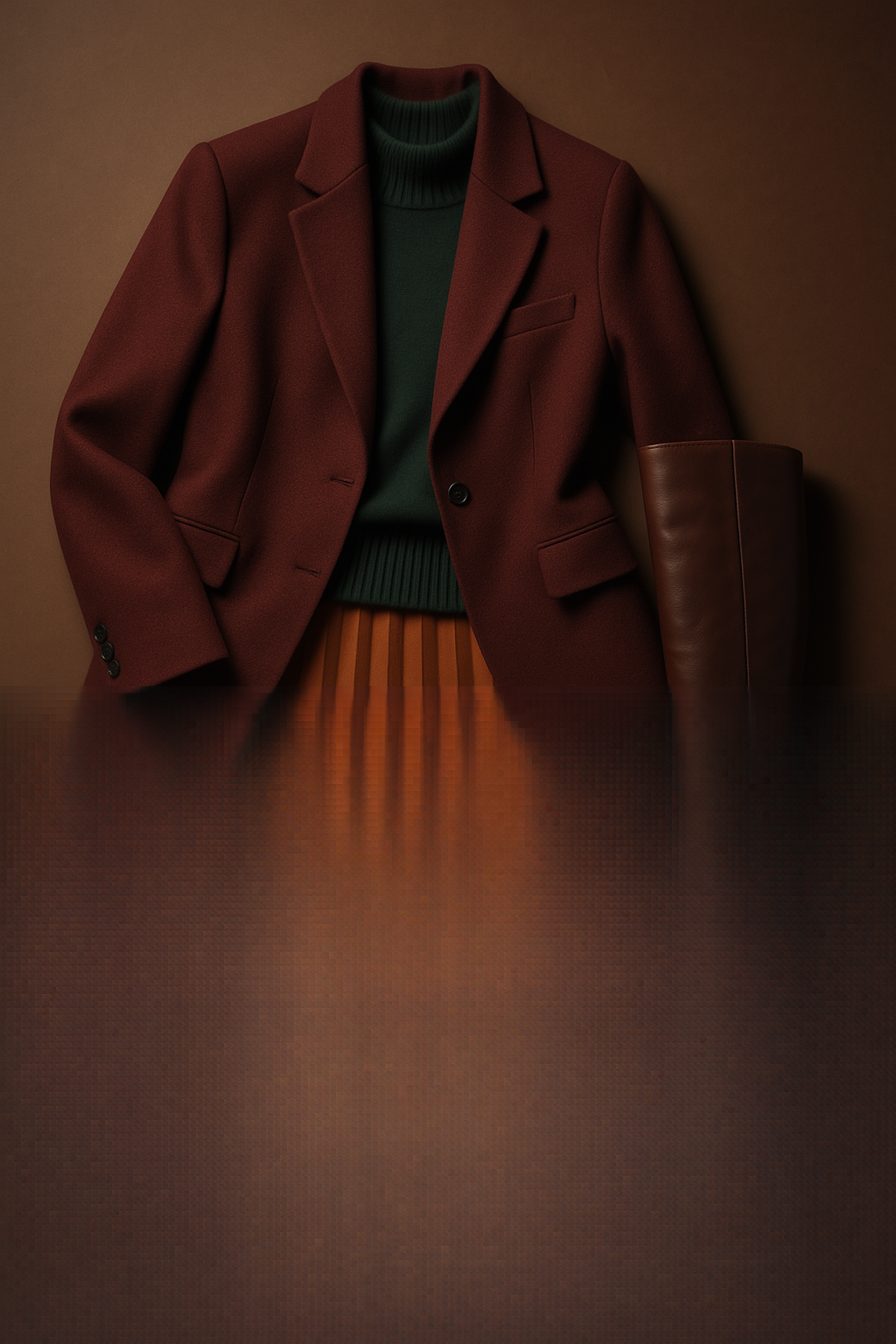
Example: imagine you’re shopping online for a new coat. Instead of guessing how it’ll drape on your frame, you upload a photo into Tryfits AI and see it instantly styled on you. You can compare colors, cuts, and fits side by side. That’s smarter shopping, not just cooler content.
Here’s what works best: use virtual try-ons as part of your decision-making. If a style looks good virtually, there’s a much higher chance you’ll love it in person. And if it doesn’t? You just saved money and hassle.
What’s driving this trend – technology or culture?
Both. Technology made it possible, but culture made it desirable. After years of filters and selfies, digital fashion feels like the next natural step in self-expression. People want to curate not only what they show but also how they look, regardless of what’s in their closet.
Social media platforms are adapting fast. TikTok creators now blend physical and virtual outfits in “AI Try-On” challenges. Instagram influencers post digital fits alongside sponsored brand collabs. Even high-end fashion houses like Balenciaga and Gucci have released digital collections to meet the demand.


Bottom line: virtual fashion is a cultural statement. It says you’re tech-savvy, creative, and ahead of the trend curve. For brands, it’s a way to connect with digital-native consumers who care as much about their virtual presence as their physical one.
Is virtual fashion sustainable?
Absolutely. One of the most overlooked benefits is its environmental impact. Digital garments don’t require fabrics, factories, or shipping. That means zero waste, zero pollution, and zero overproduction. It’s fashion without the footprint.
Here’s what works: creators can test designs digitally before producing them physically. Brands can showcase collections online before committing to inventory. Consumers can experiment with styles without buying unnecessary items. Everyone wins.
Example: digital fashion houses like The Fabricant and DressX have made sustainability a core value, offering downloadable outfits that live entirely in digital form. Tryfits AI extends that concept to everyday consumers, letting anyone try on styles virtually and buy only what they truly love.
How can influencers and creators use virtual fashion to grow faster?
For influencers, virtual fashion is a content multiplier. You can create more looks, more posts, and more campaigns without spending more. That’s efficiency and creativity combined. The most effective approach is to plan themed shoots using virtual outfits that fit your personal brand or aesthetic.
Example: a fitness influencer might virtually try on stylish activewear sets to promote upcoming collaborations. A beauty creator could match virtual outfits to new makeup looks. Since apps like Tryfits AI make the process simple, creators can batch-produce visuals and maintain consistent posting schedules.
Pro tip: treat virtual fashion like any other visual storytelling tool. The goal isn’t to trick followers into thinking it’s real clothing, but to inspire, entertain, and communicate style ideas. The best creators are transparent about their use of virtual try-ons – and their audiences appreciate the creativity.
What’s the future of virtual fashion and how can you get involved?
The future is hybrid. Soon, physical and virtual fashion will blend seamlessly. You’ll be able to buy a physical jacket and instantly unlock its digital version for your online wardrobe. Influencers will model outfits virtually before launch, and consumers will decide which designs move into real-world production. That’s not sci-fi – it’s already happening.
Here’s what works now: start experimenting early. Download an app like Tryfits AI, upload a photo, and play with different outfits. See what styles fit your brand, what your audience reacts to, and how you can use it to tell better stories.
Bottom line: virtual fashion isn’t just about what you wear online. It’s about expressing who you are in every digital space – confidently, creatively, and sustainably.
Ready to see how that outfit looks on you?
If you’re curious how you’d look in this season’s trends, it takes less than a minute to find out. Tryfits AI lets you visualize entire outfits with lifelike precision using just your photo. No guesswork, no wasted orders, no stress – just smarter style decisions and endless inspiration.
Try it today at TryfitsAI.com and see why virtual fashion is the next big social media flex.