Beyond the Mirror: How AI-Powered Fit Prediction Is Reducing Returns and Boosting Style Confidence
Shopping for clothes online used to feel like a gamble. You’d scroll through beautiful product photos, choose your usual size, and hope for the best. Sometimes it fit perfectly. Other times, it was too tight, too long, or just not what you expected. But now, with the help of artificial intelligence, that uncertainty is fading fast. AI-powered fit prediction is transforming how people shop, helping them find the right size the first time and boosting their confidence in every purchase.
Let’s take a deep dive into how this technology works, why it matters for both consumers and retailers, and how it’s shaping the future of fashion. Along the way, we’ll look at real-world examples, case studies, and even explore how tools like Tryfits AI are helping shoppers experience true style confidence from the comfort of their browser.
 LIVE FITTING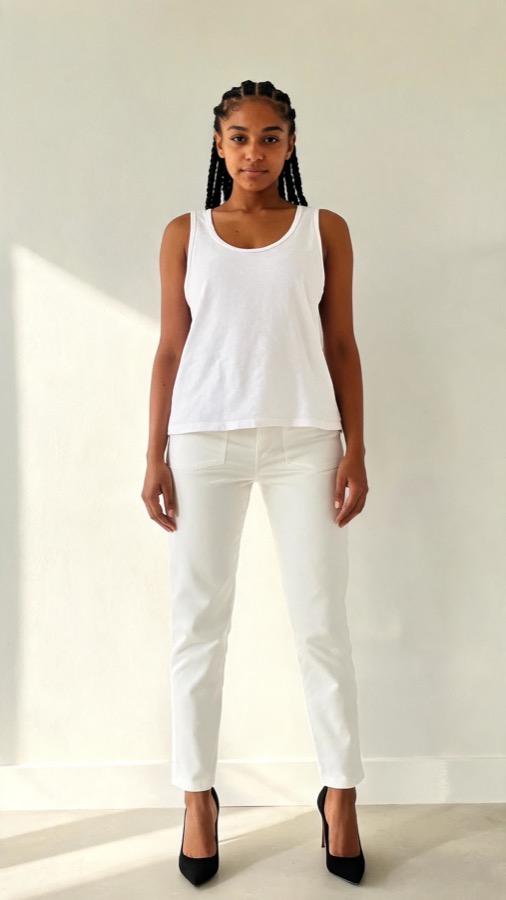

1. Understanding the Problem: Why Fit Prediction Matters
The Online Shopping Fit Gap
Buying clothes online is convenient, but one major problem has always persisted – uncertainty about fit. Without being able to try on items, shoppers rely on size charts that are often inconsistent between brands. A size medium from one brand might fit like a large from another. This inconsistency creates frustration and leads to an enormous number of returns.
According to a recent report from the National Retail Federation, nearly 30% of online apparel purchases are returned, and over 60% of those returns are due to sizing or fit issues. For both shoppers and retailers, this represents lost time, money, and trust.
How Returns Impact Retailers
Returns cost fashion retailers billions each year. Not only do they have to cover shipping and restocking, but returned items often can’t be resold as new. This waste contributes to both financial losses and environmental harm.
Retailers have realized that solving the fit problem is key to improving customer satisfaction and sustainability. That’s where AI-powered fit prediction comes in.
A Personal Story
Think of Emma, a college student who loves discovering new brands online. She often ordered multiple sizes just to return what didn’t fit. After trying a virtual fitting tool powered by AI, she found her exact size on the first try. That small success changed how she shops. She no longer hesitates to try new styles because she knows the AI understands her body measurements better than any chart ever could.
2. The Technology Behind AI Fit Prediction
How Does It Work?
At its core, AI fit prediction combines computer vision, body scanning, and data analysis to determine how clothing will fit a person’s unique shape. The system analyzes thousands of data points, including body proportions, posture, and garment specifications, to predict how an item will drape and fit.
- Computer Vision: AI uses image recognition to analyze photos or videos of users to understand their body shape and proportions.
- Machine Learning: The AI is trained on massive datasets containing past fit outcomes, sizing information, and customer feedback. Over time, it learns which measurements lead to successful fits for different body types.
- 3D Modeling: Some advanced systems generate a virtual 3D model of the shopper, simulating how the garment moves and fits from all angles.
Let me explain it simply: imagine a digital tailor who takes your photo, understands your body like a real stylist, and predicts which clothes will look best on you – all in seconds.
Data Sources and Training
AI fit engines rely on multiple data sources, including customer purchase history, product dimensions, return feedback, and even motion data. The more data the AI collects, the more accurate its predictions become. Brands like Levi’s and Nike have already adopted this approach, using AI to analyze millions of customer profiles and fine-tune their size recommendations.
Ethical Considerations
AI fit prediction also brings questions about privacy and data security. Responsible companies use anonymized data and ensure that user photos or body scans are processed securely. Tools like Tryfits AI use advanced encryption to keep user data safe while delivering precise virtual try-on experiences.
3. How AI Fit Prediction Is Reducing Returns
Personalized Size Recommendations
Instead of relying on a generic size chart, AI fit systems provide personalized recommendations based on your specific measurements and past purchases. For example, if you usually buy size M but a particular brand’s medium runs small, the AI will suggest sizing up automatically.
This personalization significantly reduces size-related returns. Retailers using AI fit prediction have reported a 20-40% decrease in returns related to sizing.
Virtual Try-Ons and Realistic Visualization
Virtual try-on tools allow users to see how clothes would look on them before buying. Think of it like a mirror powered by AI. Using realistic simulation, these tools show how fabric stretches, folds, and moves with your body.
For instance, Tryfits AI lets users upload a single photo to generate lifelike virtual try-ons, complete with motion and lighting effects. This not only helps with fit accuracy but also builds emotional confidence by letting users visualize themselves in the outfit before clicking “buy.”
Predicting Fit, Not Just Size
One of the most powerful shifts in modern AI fitting is the move from predicting size to predicting fit. Size alone doesn’t guarantee comfort. Two shirts labeled “medium” might fit completely differently depending on the cut, fabric, or style.


AI can analyze garment construction details and compare them with the shopper’s body map to determine not just whether it will fit, but how it will fit – tight at the shoulders, loose at the waist, or perfect throughout. This nuanced prediction helps customers make smarter choices and reduces disappointment.
4. Boosting Style Confidence Through AI
From Guessing to Knowing
AI fit prediction removes uncertainty. When shoppers know what fits and what looks good on them, they shop more confidently. This leads to better self-expression and less “fit anxiety.”
Imagine walking into your virtual closet and knowing every piece fits perfectly – that’s what AI makes possible.
Style Discovery and Personalization
Beyond just fit, AI can learn your fashion preferences over time. It observes your color choices, silhouette preferences, and outfit combinations to recommend styles that suit your personality and lifestyle.
For example, a user who frequently tries on structured blazers might start receiving suggestions for tailored jumpsuits or fitted coats that complement their preferred look. The AI becomes a personal stylist, not just a size advisor.
Case Study: Confidence Through Fit Accuracy
One fashion retailer integrated AI fit prediction into their online store and surveyed customers afterward. The results were striking: over 70% of users said they felt more confident purchasing clothes online, and 55% reported trying new brands they would have otherwise avoided due to sizing uncertainty. This boost in confidence translates directly to more satisfied customers and stronger brand loyalty.
5. The Future of Fit: Where AI Fashion Is Heading
Body Diversity and Inclusivity
One of the most promising aspects of AI fit prediction is its ability to embrace body diversity. Traditional fashion has long centered around standardized sizes, often excluding people with unique proportions. AI breaks that barrier by adapting to every individual’s shape, regardless of body type or size label.
In the future, we may see a world where sizing numbers become obsolete. Instead of choosing between small, medium, or large, shoppers might simply get a custom fit for their body, powered by AI.
Integrating Fit with Augmented Reality
As augmented reality (AR) becomes more advanced, we’ll see seamless integration with AI fit prediction. Imagine using your phone’s camera to view yourself wearing a garment in real-time, complete with realistic fabric simulation. This combination of AI and AR will make online shopping feel almost identical to trying clothes in-store.
Sustainability Benefits
Reducing returns doesn’t just help retailers – it helps the planet. Every returned item contributes to transportation emissions, packaging waste, and product disposal. By improving fit accuracy, AI directly reduces waste and supports more sustainable shopping habits.
Integration with Tools Like Tryfits AI
Platforms like Tryfits AI are already bringing these innovations to everyday users. With features like realistic video try-ons, personalized AI styling advice, and instant size recommendations, shoppers can finally buy with confidence. Instead of worrying about returns, they can focus on expressing their personal style.
6. Key Takeaways and Next Steps
What We’ve Learned
- Fit prediction solves a major pain point by reducing returns and improving online shopping experiences.
- AI technologies like computer vision and machine learning allow for highly accurate, personalized fit recommendations.
- Virtual try-ons and predictive fitting enhance both practicality and confidence, allowing shoppers to visualize themselves in new styles.
- Brands and consumers alike benefit through reduced waste, higher satisfaction, and greater sustainability.
How You Can Try It Yourself
Ready to experience AI-powered fit prediction firsthand? Tools like Tryfits AI make it easy. Upload your photo, explore new looks, and see exactly how they’d fit and move on your body before buying. It’s like having a personal stylist and fitting room right in your pocket.
Curious how you’d look in that new jacket or dress? Try it virtually today and step into a future where fashion fits perfectly every time.


One thought on “AI Fashion: “Beyond the Mirror: How AI-Powered Fit Prediction Is Reducing Returns and Boosting Style Confidence””