In the fast-moving world of digital fashion and social media, influencers no longer just rely on intuition or last-minute inspiration. Today, artificial intelligence is shaping how content creators plan, style, and share their looks online. From predicting trends before they happen to testing outfits virtually before stepping in front of the camera, AI has become the silent creative partner behind many of your favorite influencer posts.
Let’s take a deep dive into how AI is revolutionizing influencer styling strategies, the tools making it happen, and how platforms like Tryfits AI are empowering creators to plan smarter and style faster.
The New Era of AI-Driven Content Planning
From Mood Boards to Machine Learning
Not long ago, influencers spent hours scrolling through Pinterest or flipping through magazines to build mood boards for their next shoot. Now, AI-powered trend analysis tools can scan social media, fashion runways, and even online search data to predict what’s going viral next week.
 LIVE FITTING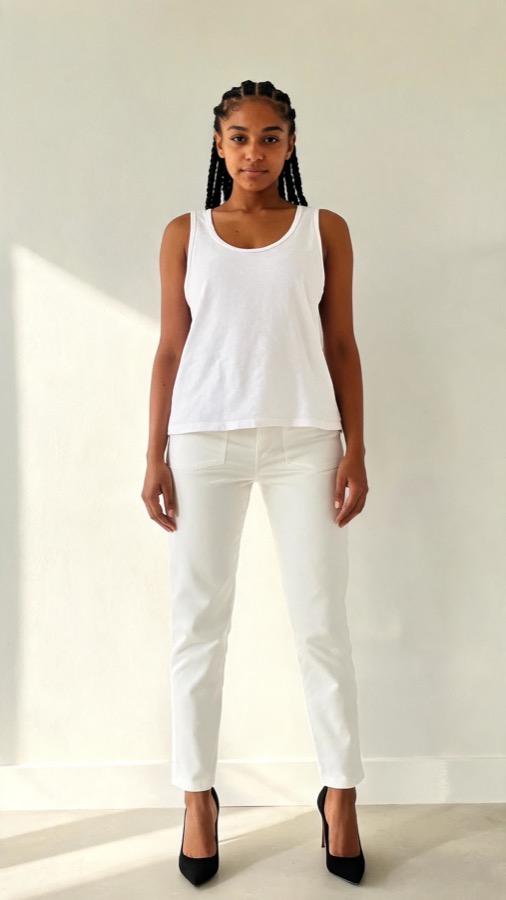

These insights allow creators to stay ahead of the curve. Instead of guessing which aesthetic will perform well, influencers can plan their shoots around what’s already trending or about to trend. This is especially useful for fast-paced platforms like Instagram Reels and TikTok, where timing is everything.
Predicting Audience Preferences with Data
AI tools are not only scanning global fashion trends but also analyzing audience engagement metrics. By studying what followers like, save, and comment on, influencers can fine-tune their personal style strategy. For instance, if a creator’s audience engages more with minimalistic streetwear looks than with bold evening styles, AI insights help them plan future content accordingly.
Creators are using these analytics to answer key questions:
- Which color palettes drive higher engagement?
- Do my followers prefer outfit videos or still photos?
- What time of day generates the most interaction?
With this data-driven clarity, influencers are no longer posting blindly-they’re creating with precision and purpose.
AI Styling Tools: The Creative Assistants You Didn’t Know You Needed
Virtual Try-Ons and Outfit Visualization
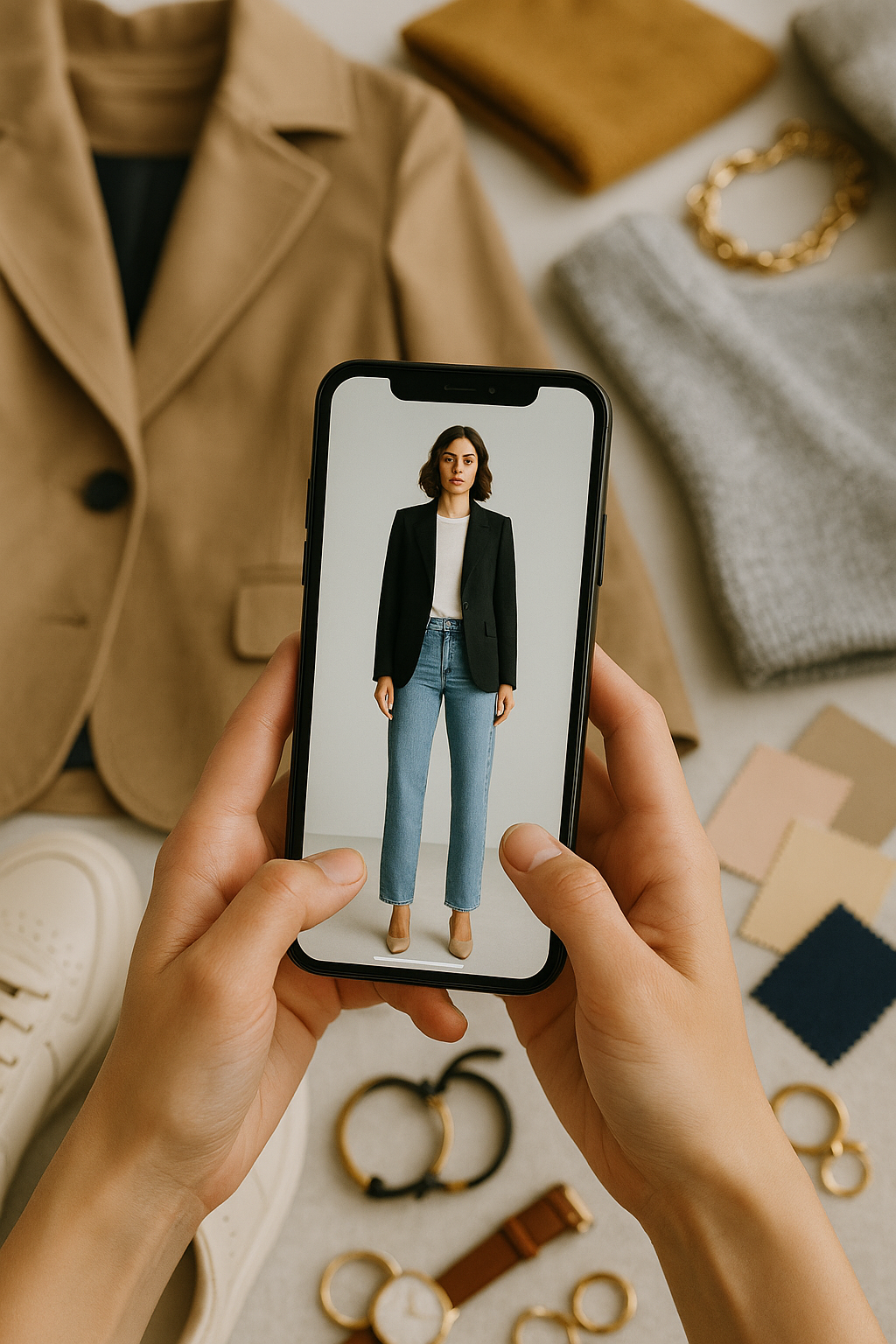
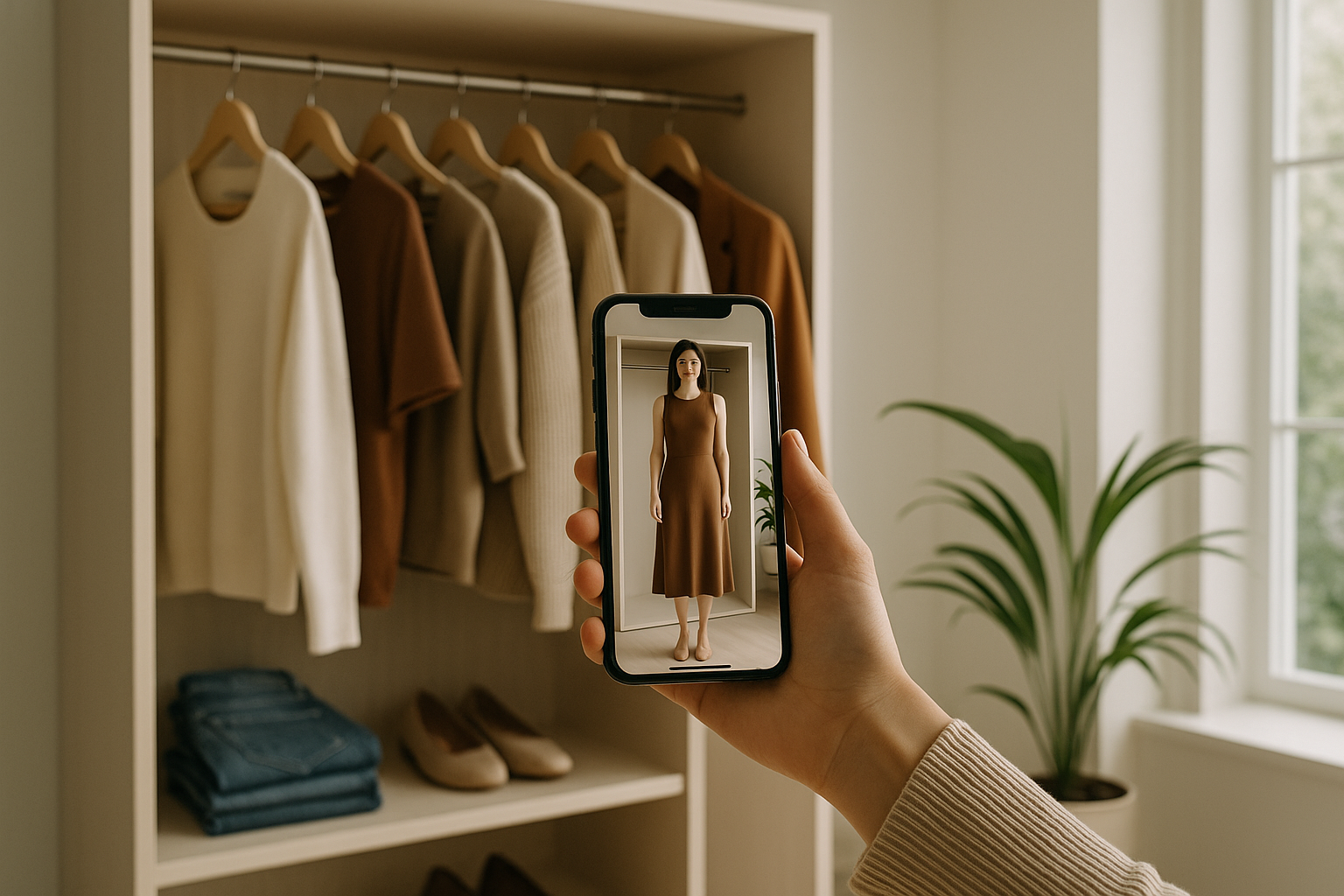
Styling used to be an expensive and time-consuming part of content creation. Creators had to buy, borrow, or rent multiple looks to find the right one for their shoot. Now, thanks to AI-powered virtual try-on tools like Tryfits AI, influencers can experiment with hundreds of outfit combinations directly from their phones.
With just a picture, Tryfits AI lets users see how different outfits look on them in real time. Whether testing new silhouettes, mixing seasonal trends, or building cohesive outfit series for upcoming posts, creators can visualize every option before committing to a purchase.
This not only saves money but also drastically reduces wardrobe waste-making AI styling tools a win for both efficiency and sustainability.
Smart Recommendations for Every Occasion
Imagine having a personal stylist who knows your exact body type, preferred color palette, and the vibe you’re going for in your next shoot. AI can now deliver that level of personalization. Platforms like Tryfits AI analyze clothing data, body measurements, and even lighting preferences to suggest outfits that will photograph beautifully for social media.
For example:
- Planning a coastal content shoot? AI recommends airy linen sets and light neutrals that pop under sunlight.
- Filming a moody indoor reel? It may suggest deeper tones and rich textures for cinematic contrast.
- Trying to stand out in a crowded fashion niche? AI identifies unique styles trending within your demographic.
These smart insights allow influencers to focus on creativity instead of trial and error.
Visual Consistency and Branding Through AI
Maintaining a Cohesive Feed Aesthetic
For influencers, their feed is their brand identity. Consistent visuals build trust and recognition, but keeping that consistency can be hard when experimenting with new trends. AI design tools are now helping creators maintain visual harmony across photos and videos by analyzing tones, backgrounds, and outfits.
For instance, AI can recommend color schemes that align with an influencer’s existing grid aesthetic. It can also simulate how new outfit combinations will appear alongside previous posts, helping creators plan cohesive content calendars that feel curated rather than chaotic.
Automating the Editing Workflow
Beyond styling, AI has stepped into the editing room. Photo and video editing apps powered by AI can automatically color-correct images, suggest filters that complement outfit tones, and even enhance lighting based on the platform where the content will be shared.
What used to take hours of manual editing now takes minutes. This allows influencers to produce polished, professional-grade content faster-keeping them consistent and relevant in a competitive digital landscape.
Collaborations and Campaign Planning Made Smarter
AI for Brand Partnerships
When influencers partner with fashion brands, aligning style and audience is crucial. AI now plays a key role in matching creators with campaigns that fit their unique aesthetic and demographic. Platforms use algorithms to analyze influencer engagement metrics, audience interests, and even color palettes to identify the most compatible brand opportunities.
For brands, this means better ROI. For influencers, it means more authentic collaborations that resonate with their followers.


Content Scheduling and Performance Forecasting
AI-powered tools also help influencers forecast how upcoming content might perform based on current trends, hashtags, and posting times. By simulating different posting strategies, AI assists creators in finding the perfect window for maximum engagement.
This predictive power transforms guesswork into science, helping influencers plan their entire content calendar with clarity and confidence.
The Sustainability Angle: Smarter Shopping, Less Waste
Reducing Overconsumption Through Virtual Styling
In the influencer economy, new outfits often mean new purchases. But with virtual try-ons, creators can experiment digitally before deciding what to buy. This reduces impulse shopping and promotes thoughtful curation over volume-based consumption.
Tools like Tryfits AI encourage influencers to visualize potential outfits, ensuring each purchase has a creative purpose. It’s an eco-conscious approach that aligns with the growing emphasis on sustainability in fashion content.
Reusing Wardrobe Pieces Creatively
AI styling tools also inspire new outfit ideas using items an influencer already owns. By analyzing color, cut, and occasion, AI can suggest fresh ways to restyle a staple piece-like pairing a summer dress with a fall jacket for a transitional look.
For influencers, this means endless content potential without constant spending. For audiences, it means seeing real, repeatable styling inspiration that feels authentic and accessible.
Real-World Example: A Week in the Life of an AI-Assisted Influencer
Let’s imagine how an influencer might use AI tools like Tryfits AI to streamline their week:
- Monday – Trend Forecasting: The influencer uses AI analytics to identify upcoming fall color trends (olive green, chocolate brown, and burnt orange).
- Tuesday – Outfit Planning: They upload a few selfies to Tryfits AI to visualize how those colors look on them and test outfit combinations.
- Wednesday – Content Coordination: AI suggests which outfits complement their existing Instagram aesthetic and which pieces to highlight for brand partnerships.
- Thursday – Shoot Day: With outfits pre-tested virtually, the creator shoots efficiently-saving time and reducing outfit changes.
- Friday – Editing and Posting: AI-enhanced editing tools optimize lighting and color grading, ensuring consistency across photos and reels.
By the end of the week, the influencer has planned, styled, and executed a full set of professional-looking content with minimal waste and maximum creativity-all with AI assistance.
The Human Touch Still Matters
While AI simplifies and enhances the creative process, it doesn’t replace human vision. Authenticity, storytelling, and emotional connection still drive influencer success. AI’s role is to amplify these elements, giving creators more time and insight to focus on their unique voice and aesthetic.
In essence, AI is not the stylist-it’s the assistant that helps you style smarter.
How Tryfits AI Is Empowering the Next Generation of Creators
Among the new wave of AI styling platforms, Tryfits AI stands out for its accessibility and realism. With just a single photo, users can virtually try on clothing, explore outfit combinations, and even create short video try-ons that mimic real-life movement. For influencers, this means testing how an outfit looks in action before filming or posting.
Tryfits AI also includes an AI stylist named Your stylist, who offers personalized advice on outfit choices, helping creators plan themed content-like vacation looks, brand collabs, or seasonal shoots-without hiring a full styling team.
Whether you’re a micro-influencer building your first brand partnerships or a full-time creator managing multiple campaigns, AI styling tools like Tryfits AI make it easier to stay consistent, creative, and confident.
Final Thoughts: Embracing the Future of AI-Driven Style
The influencer world is evolving rapidly, and AI is at the heart of that transformation. From trend prediction and outfit visualization to sustainable shopping and efficient planning, artificial intelligence is empowering creators to elevate their craft like never before.
Instead of replacing creativity, AI is enhancing it-helping influencers make smarter styling decisions, connect more deeply with audiences, and focus on what they do best: inspiring others through fashion.
Ready to see how that outfit looks on you? Try Tryfits AI today and experience the future of digital styling for yourself.