Monetise Your Style: A Creator’s Guide to Building a Virtual Try-On Affiliate Business
If you’re a fashion creator, influencer, or content maker, you’ve probably noticed one clear shift: virtual try-on technology is no longer a novelty. It’s becoming a cornerstone of online shopping and digital styling. That means one thing for you – opportunity. Whether you’re just starting or already have a loyal audience, building a virtual try-on affiliate business can help you monetise your content in ways that feel natural, authentic, and scalable.
This guide breaks down exactly how to do that. We’ll compare the main approaches, show what works (and what doesn’t), and help you find your best path to consistent affiliate income. Bottom line: by combining your unique fashion voice with virtual try-on tools like Tryfits AI, you can turn your audience’s curiosity into conversions.
 LIVE FITTING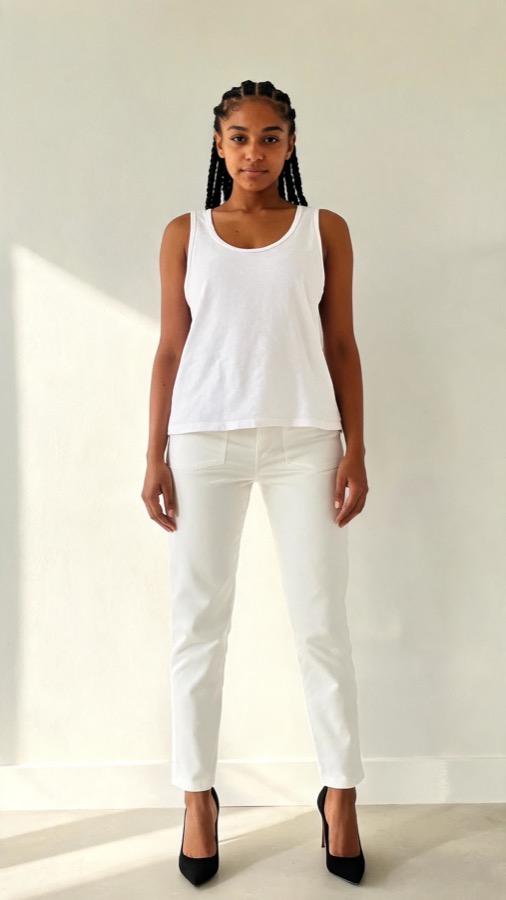

Why Virtual Try-On Affiliate Marketing Works
Let’s start with the basics. Virtual try-on affiliate marketing blends influencer content with shopping convenience. You create content showing how a product looks using virtual try-ons, then earn a commission when your audience buys through your links.
The Key Advantages
- Authenticity: Audiences trust creators who show how items fit and look realistically.
- Scalability: You can showcase dozens of outfits without physically owning them all.
- Higher Conversion: Viewers are more likely to buy when they can visualise themselves wearing the product.
- Low Barrier: You don’t need an inventory, warehouse, or big budget – just style sense and consistency.
Now, let’s compare the different paths you can take to start monetising your style through virtual try-ons.
Option 1: Join Traditional Affiliate Networks
The simplest way to begin is by joining established affiliate networks that already partner with fashion brands. Platforms like RewardStyle (LIKEtoKNOW.it), ShopStyle Collective, or Amazon Associates give you links to share directly in your videos, reels, or blogs.
How It Works
- You sign up and get approved for the network.
- You browse their partner brands for items to feature.
- You generate your own affiliate links and embed them in your content.
- You earn a commission for every sale that comes from your link.
Pros
- Easy to set up with minimal tech skills.
- Access to a wide variety of brands and products.
- Built-in analytics and tracking tools.
Cons
- Highly competitive with low commission rates for beginners.
- Limited ability to customise the try-on experience.
- You rely on brand images, not your own visualisation.
Best for: Beginners who want a quick start without much setup or tech investment.
Option 2: Partner Directly with Fashion Brands
Another route is to build direct relationships with brands. You create custom try-on content for specific collections and negotiate your own affiliate or sponsorship terms.
How It Works
- Reach out to brands that align with your style and audience.
- Pitch your ability to showcase their items through virtual try-ons.
- Negotiate custom terms, such as higher commissions or fixed fees per post.
Pros
- More control over pricing, content, and creative direction.
- Stronger brand relationships that can lead to long-term partnerships.
- Higher income potential per collaboration.
Cons
- Requires outreach and negotiation skills.
- Time-consuming to manage multiple brand deals.
- Harder to scale without a system.
Best for: Mid-level or established creators looking for deeper brand alignment and exclusivity.
Option 3: Use AI Virtual Try-On Platforms
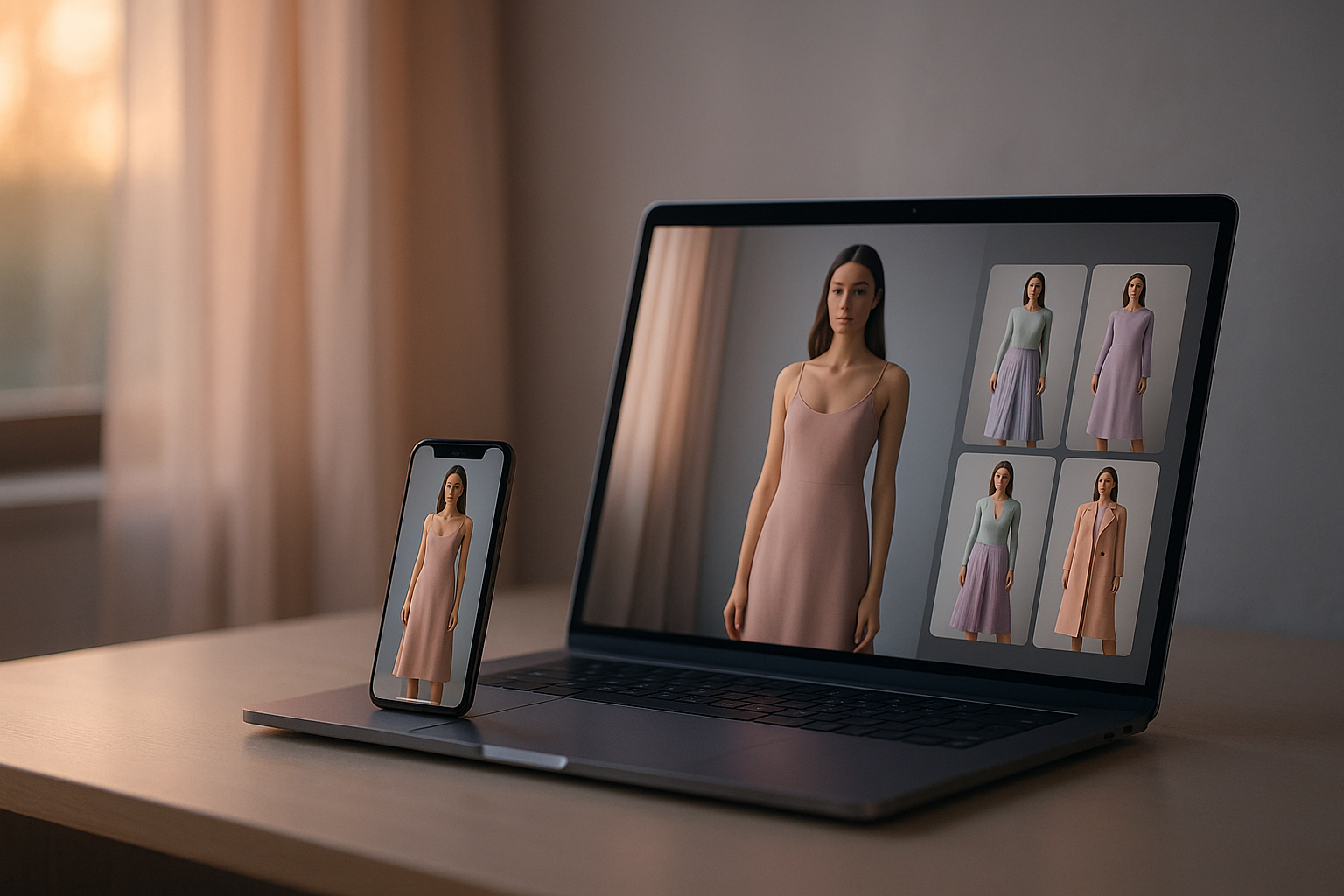
Here’s where things get interesting. Instead of relying on static brand images, you can use virtual try-on tools to show how the clothes look directly on you (or a realistic digital model). This personal touch builds massive trust – and conversions.
Example: Tryfits AI
Tryfits AI is one of the easiest platforms for creators to use. It lets you upload your photo or video and see how clothes from partnered brands look on you with high realism. You can create short clips, outfit comparisons, and realistic previews in minutes – perfect for TikTok, Instagram Reels, or YouTube Shorts.
How It Works
- Download the Tryfits AI app and upload a photo or video of yourself.
- Choose clothing items from supported retailers or upload your own product images.
- Generate a virtual try-on preview to include in your content.
- Use affiliate links from the retailer or Tryfits-integrated marketplace.
Pros
- Realistic, engaging visuals that drive higher clicks and purchases.
- Fast content creation without needing physical samples.
- Access to analytics that show how audiences interact with try-on content.
- Ability to integrate AI styling advice via your stylist, the virtual stylist.
Cons
- Some learning curve for setting up visuals effectively.
- Requires a smartphone with good lighting and image quality.
Best for: Creators who want to combine creativity, tech, and conversion power into one workflow.
Option 4: Build Your Own Try-On Affiliate Hub
For creators ready to level up, building your own affiliate hub gives you full ownership. This could be a website, blog, or digital storefront that integrates virtual try-ons, affiliate links, and styling advice in one place.
How It Works
- Set up a simple site using platforms like WordPress, Shopify, or Squarespace.
- Embed virtual try-on widgets or videos (from Tryfits AI or similar tools).
- Link each product to your affiliate URLs.
- Drive traffic via social media, email, and SEO-optimised content.
Pros
- Full ownership of your traffic, content, and brand identity.
- Better long-term scalability with passive income potential.
- Can combine multiple affiliate programs and categories.
Cons
- Requires technical setup and maintenance.
- Takes longer to grow initial audience and sales.
Best for: Experienced creators who want to build sustainable income assets.
Comparison Summary
| Approach | Ease of Setup | Earning Potential | Scalability | Best For |
|---|---|---|---|---|
| Affiliate Networks | High | Low-Medium | High | Beginners |
| Direct Brand Partnerships | Medium | High | Medium | Established creators |
| AI Try-On Platforms (Tryfits AI) | Medium | High | High | Tech-savvy creators |
| Own Affiliate Hub | Low | Very High | Very High | Entrepreneurial creators |
Tips for Maximising Affiliate Earnings
1. Create “Shop the Look” Content
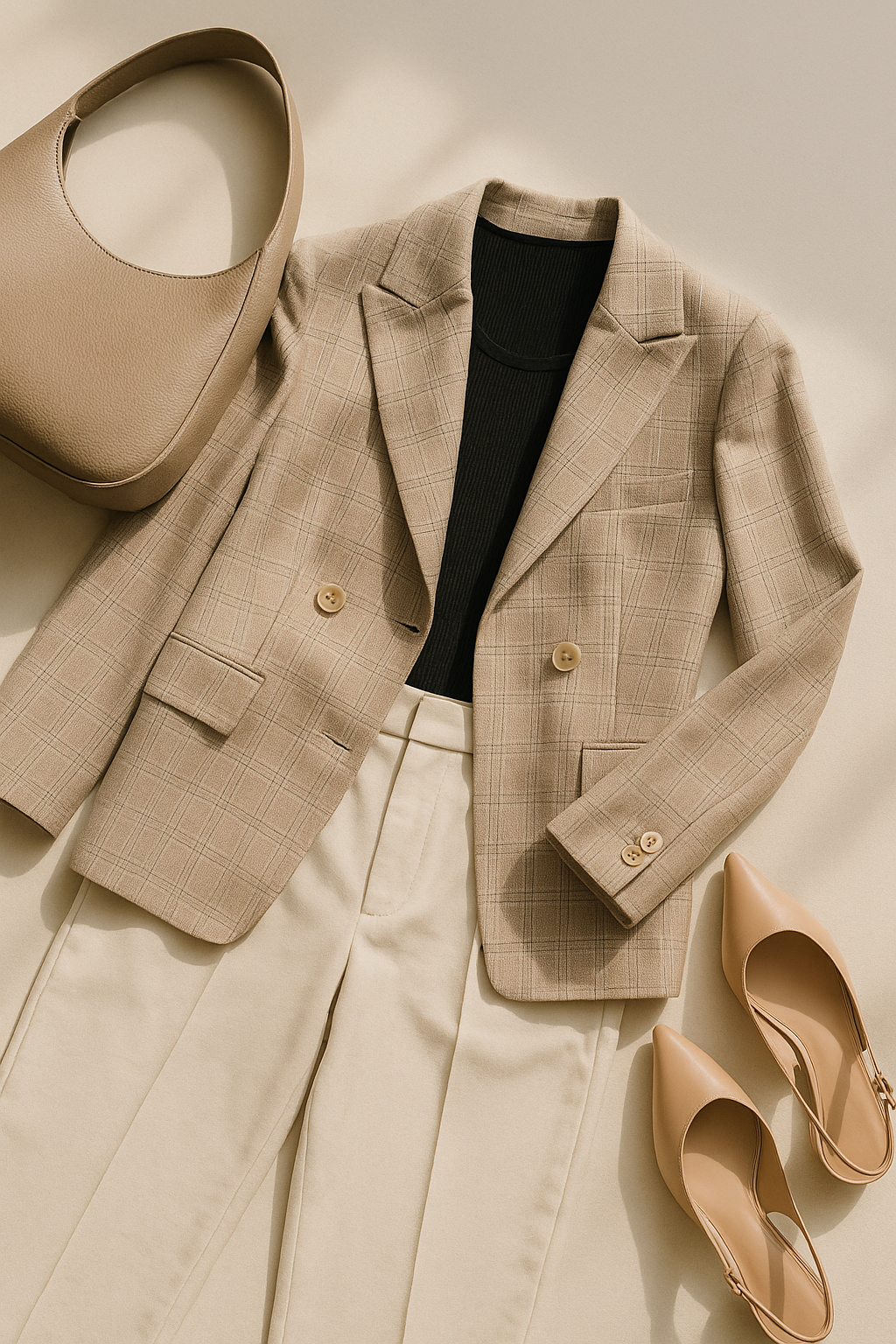
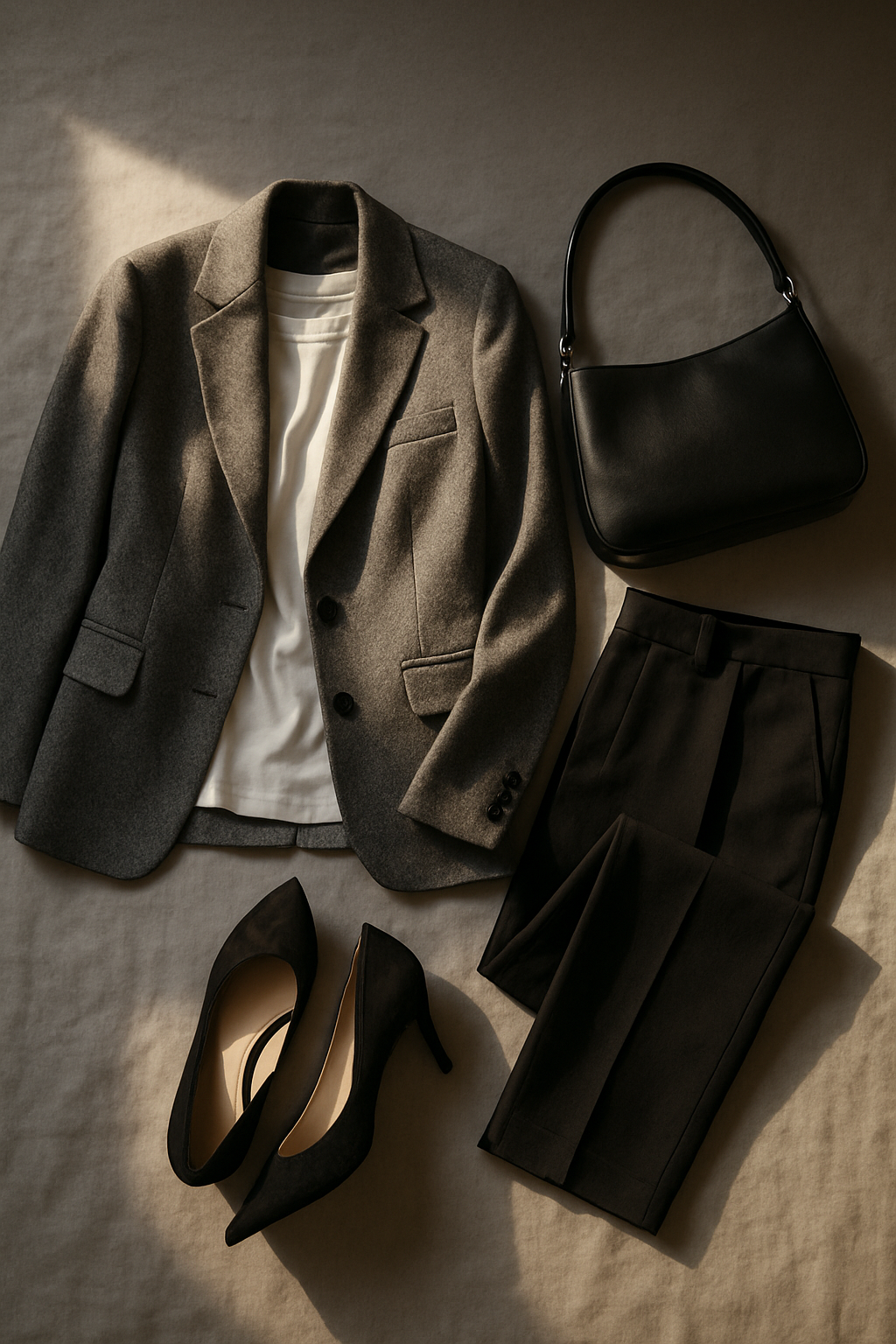
Audiences love seeing a full outfit come together. Use virtual try-ons to style full looks, not single pieces. Combine tops, bottoms, and accessories for a complete vibe and link each item.
2. Use Short Video Content
Platforms like TikTok, YouTube Shorts, and Instagram Reels are ideal for try-on clips. Keep them under 30 seconds and focus on transformation moments – before and after the outfit change.


3. Add Affiliate Links Everywhere
Include your links in bios, captions, YouTube descriptions, and story highlights. Make it easy for followers to click through immediately after they see something they love.
4. Build Trust with Transparency
Always disclose when you use affiliate links. It builds credibility and encourages loyal followers who understand that your recommendations are genuine.
5. Track Performance and Optimise
Review your data regularly. See which outfits, videos, or try-ons get the highest clicks or conversions. Use those insights to refine your style and posting schedule.
Real-World Example
Consider a micro-influencer named Lena who focuses on sustainable streetwear. She uses Tryfits AI to virtually try on eco-friendly brands and post short clips comparing fit and color options. Her audience appreciates that she doesn’t need to buy every item to show how it looks. Within six months, her affiliate links generate enough monthly income to fund her creative studio expenses. Her secret: consistent visuals and honest reviews powered by virtual try-ons.
Common Pitfalls to Avoid
- Posting without linking: Always include clear shopping links in every post.
- Overpromoting: Balance content by mixing style advice, behind-the-scenes moments, and genuine try-ons.
- Ignoring data: Use analytics tools to understand what drives engagement and revenue.
- Low-quality visuals: Invest in lighting, camera angles, and consistent branding to stand out.
Frequently Asked Questions
How much can I earn with a virtual try-on affiliate business?
It varies by audience size, engagement, and niche. Beginners might earn $100-$300 monthly, while consistent creators can reach $1,000+ as their influence grows.
Do I need to show my face in virtual try-ons?
No, you can use digital models or cropped visuals focusing on the outfit. However, showing your personal style often leads to better engagement.
Can I use virtual try-on tech without owning clothes?
Yes. That’s the main advantage. Platforms like Tryfits AI allow you to create realistic try-ons without buying the physical item first.
What’s the best platform for hosting affiliate links?
Link aggregation tools like Linktree or your own website work well. Make sure each product preview connects directly to your affiliate source.
Is this sustainable long-term?
Absolutely. As virtual try-on technology improves, affiliate content will become even more interactive and shoppable, keeping this model relevant for years.
Bottom Line
Virtual try-on affiliate marketing isn’t a trend – it’s the next phase of digital fashion commerce. Whether you start with existing affiliate networks, build brand partnerships, or dive into tools like Tryfits AI, the key is to create content that feels real and helpful to your audience.
Here’s what works: focus on authentic visuals, consistent linking, and a seamless viewer experience. The most effective creators treat virtual try-ons as both a creative canvas and a conversion tool.
Ready to see how that outfit looks on you? Try Tryfits AI today and start building your virtual try-on affiliate business the smart way.