Trends & Culture: Sustainable Style in the Digital Age – How Virtual Fashion Is Changing the Eco Narrative
Quick Summary
Virtual fashion is reshaping sustainability in the fashion industry. From digital-only clothing to AI-powered virtual try-ons, the new eco narrative focuses on reducing waste, lowering carbon emissions, and promoting smarter consumption. This article compares three key approaches: physical sustainable fashion, digital fashion collections, and hybrid virtual try-ons. Each has pros and cons, and together, they point toward a greener, tech-enhanced future of style.
Introduction: Why Sustainability Needs a Digital Boost
Fashion has always been about expression, but it’s also one of the most resource-heavy industries on the planet. According to the Ellen MacArthur Foundation, fashion production contributes 10% of global carbon emissions. While traditional sustainable fashion focuses on eco-friendly materials and ethical labor, the digital age is adding new tools to the mix. From AI styling assistants to virtual wardrobes, technology is changing what it means to be sustainable.
Let me explain what’s happening: consumers are starting to realize that sustainability doesn’t just mean organic cotton or recycled polyester. It also means consuming less, buying smarter, and experimenting digitally before committing to physical purchases. This is where virtual fashion steps in.
 LIVE FITTING

Option 1: Traditional Sustainable Fashion
What It Is
Traditional sustainable fashion focuses on minimizing environmental impact through the entire product lifecycle. This includes using organic materials, ethical manufacturing, and promoting slow fashion over fast consumption. Brands like Patagonia, Reformation, and Stella McCartney have pioneered this space.
Pros
- Tangible impact: Reduces waste and pollution through responsible sourcing and production.
- Transparency: Consumers can trace where materials come from and how clothes are made.
- Durability: Emphasizes quality over quantity, encouraging longer use.
Cons
- Higher cost: Sustainable materials and fair labor practices raise prices.
- Limited scalability: Not all brands or consumers can afford to go fully sustainable.
- Still physical: Even eco-friendly garments require resources to produce and ship.
Example
Think of brands like Everlane or Eileen Fisher. They focus on traceable supply chains and recycled fabrics. However, while their efforts are commendable, producing physical garments still leaves a carbon footprint through manufacturing and logistics.
Option 2: Digital-Only Fashion Collections
What It Is
Digital fashion exists purely online. You can “wear” a virtual outfit on social media or in digital environments like the metaverse. No fabric, no waste, no shipping. Platforms such as The Fabricant and DressX have made headlines selling purely digital garments for users’ avatars or edited images.
Pros
- Zero waste: No materials or shipping involved, drastically cutting emissions.
- Creative freedom: Designers can explore avant-garde ideas unrestricted by physics or materials.
- Social media ready: Perfect for influencers who want to showcase looks without fast-fashion waste.
Cons
- Limited practicality: You can’t physically wear the items.
- Tech barrier: Requires digital literacy and access to compatible platforms.
- Emotional disconnect: Some consumers still value the tactile experience of real clothing.
Example
Think of it like buying a “skin” for your digital self. A creator might purchase a 3D-rendered dress for a virtual runway or photo post. No fabric ever touches a sewing machine, yet the fashion statement is real – just digital.
Comparison: Traditional vs Digital Fashion
- Production: Physical vs 100% digital
- Carbon Impact: Moderate to high vs almost zero
- Experience: Tangible and sensory vs visual and virtual
- Use Case: Everyday wear vs social content or metaverse fashion
Option 3: Hybrid Solutions – Virtual Try-Ons and Digital Twins
What It Is
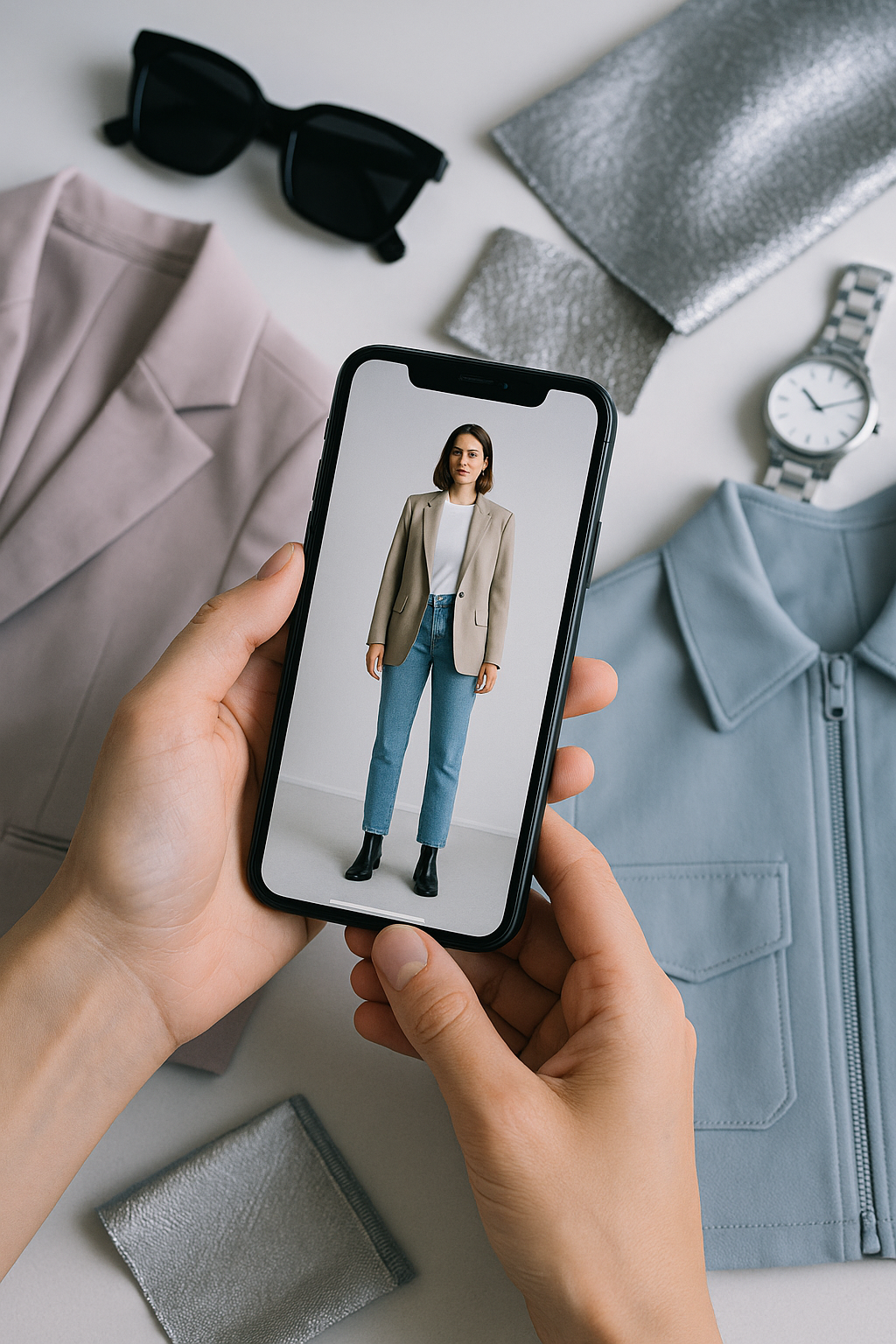
This approach blends physical and digital fashion. Virtual try-on technology lets consumers visualize how clothes fit before buying, reducing returns and unnecessary shipping. Some brands also create “digital twins” of physical garments, which can be worn both in real life and online avatars.
Pros
- Reduces returns: Trying before buying cuts waste from unwanted products.
- Better decisions: Shoppers can test style, size, and fit virtually.
- Eco-friendly commerce: Less transportation, packaging, and carbon output.
Cons
- Dependent on technology: Requires access to devices and good imaging.
- Accuracy varies: Poor modeling can lead to unrealistic results.
- Initial setup costs: Brands need to invest in 3D modeling infrastructure.
Example
Imagine you’re about to buy a new jacket online. Instead of ordering three sizes and returning two, you upload your photo to a virtual fitting app like Tryfits AI. The app shows how the jacket fits your actual body, even with realistic movement. That single digital action saves carbon emissions from shipping, repackaging, and landfill waste.
Why Virtual Try-Ons Are Key to Sustainable Fashion
Let’s understand this better: online returns are a hidden sustainability issue. In 2023, e-commerce return rates averaged 17%, with millions of items ending up unsellable. Virtual try-on tools reduce this drastically by helping buyers visualize their purchase accurately. They make sustainability practical, not just aspirational.


Comparison: Digital Fashion vs Virtual Try-Ons
- Purpose: Expression vs decision-making
- Output: Purely digital garment vs digital representation of a real item
- Environmental Benefit: Eliminates waste vs prevents unnecessary production
- User Experience: Social and creative vs practical and shopping-oriented
Comparing All Three Approaches
Side-by-Side Summary
- Traditional Sustainable Fashion: Real, eco-friendly materials, tangible results, but still resource-based.
- Digital-Only Fashion: Zero materials, creative, but non-wearable and niche.
- Virtual Try-Ons & Hybrids: Combines both worlds, making real-world shopping smarter and greener.
Practical Implications
To understand this better, think of the three as layers in the sustainability journey:
- Material Layer: Choosing eco-friendly fabrics.
- Behavioral Layer: Changing how we shop and share fashion.
- Digital Layer: Using technology like AI to make informed, low-impact choices.
How Technology Is Reinventing the Eco Narrative
From Fast Fashion to Smart Fashion
AI and virtual tools are turning fast fashion habits into smarter, data-driven decisions. Instead of impulse buying, users now test outfits digitally, compare fits, and make conscious purchases.
The Role of AI Stylists
Apps like Tryfits AI use artificial intelligence to analyze your body type, color preferences, and wardrobe data. Think of it like having a personal stylist who also cares about sustainability. By suggesting clothes that fit better and suit your aesthetic, AI reduces both physical returns and mental shopping fatigue.
Eco Benefits of Digital Consumption
- Lower production volume: Less demand for physical samples and overstock.
- Efficient logistics: Digital testing reduces unnecessary shipments.
- Data-driven sustainability: Brands gain insights to design smarter collections.
Tips for Practicing Sustainable Style Digitally
- Start small: Use virtual try-on tools before your next online purchase.
- Explore digital collections: Try on digital pieces for content creation instead of buying fast fashion for every photo shoot.
- Track your wardrobe: Apps that manage outfits help reduce duplicate purchases.
- Support transparent brands: Combine tech-powered shopping with ethically minded companies.
Future Outlook: The Eco-Driven Digital Closet
As AI and AR merge, the future of fashion might look less like shopping and more like simulation. Consumers will preview, mix, and match in digital wardrobes before ever hitting “Buy.” Brands, meanwhile, will produce only what is truly wanted, reducing waste at the source.
In this new eco narrative, sustainability isn’t about sacrifice; it’s about smarter, tech-enhanced choices. It’s the digital evolution of conscience-driven style.
Conclusion: Finding Balance Between Style and Sustainability
Sustainable fashion in the digital age isn’t a one-size-fits-all solution. Traditional eco-fashion grounds us in responsibility, digital fashion opens creative horizons, and virtual try-ons create a bridge between the two. Together, they form a powerful ecosystem for conscious consumption.
If you’re curious how you’d look in your next outfit or want to make greener choices without guesswork, try exploring Tryfits AI. With realistic AI-powered try-ons and personalized style advice, you can look good and feel good about reducing waste with every click.
Ready to see how that outfit looks on you? Try it virtually before buying and join the next wave of sustainable style in the digital age.