Outfit Ideas: Dress the Mood: How AI Helps You Style Outfits That Match Your Energy (and the Weather)
Fashion has always been about more than clothes. It’s about expression, mood, and how you show up in the world. But lately, with technology entering our wardrobes, the line between intuition and innovation is getting stylishly blurred. Right now, everyone’s talking about how artificial intelligence can actually read your vibe – and the weather forecast – to help you dress for how you feel. Welcome to mood-based fashion styling, powered by AI.
What does “dressing the mood” mean in modern fashion?
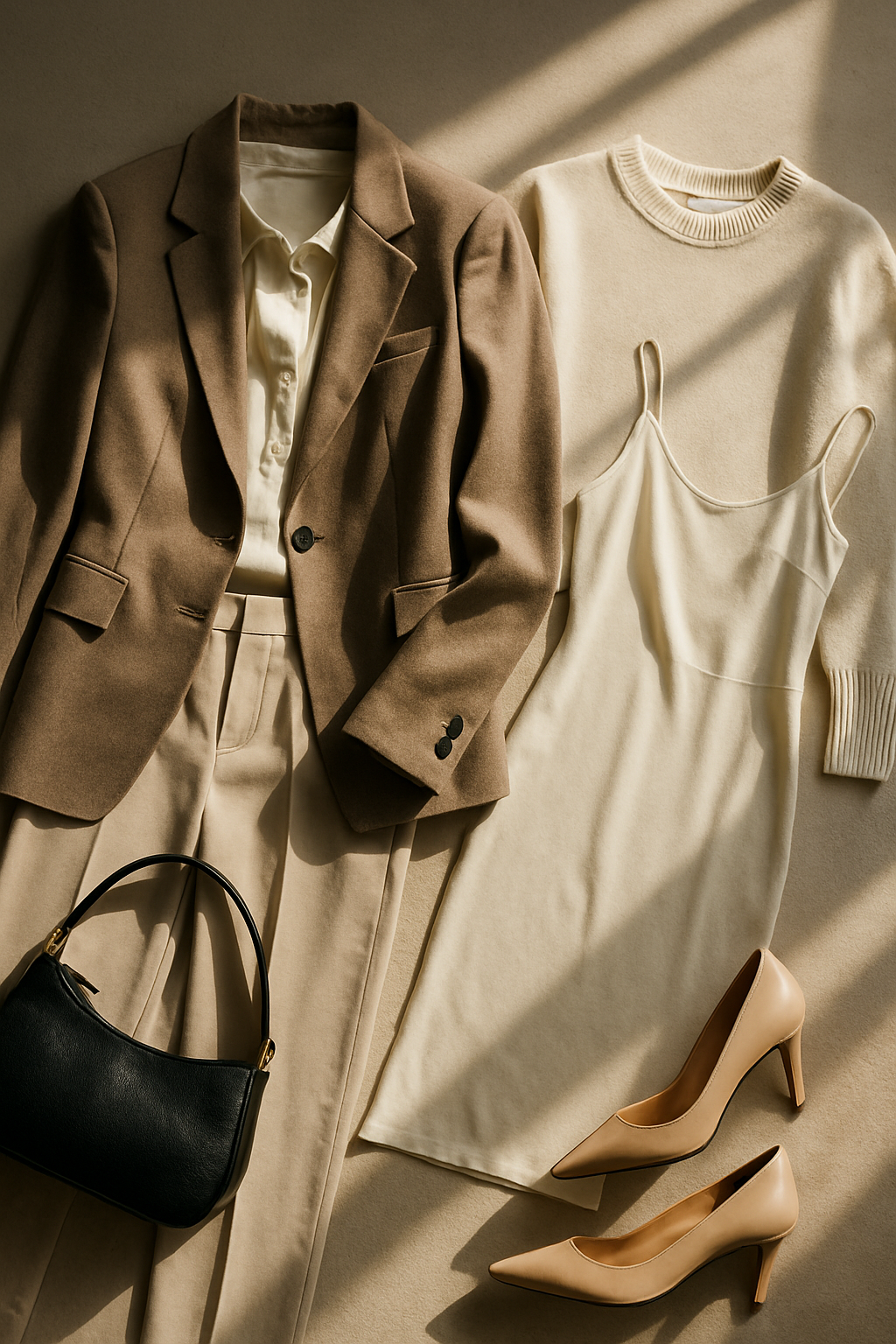
“Dressing the mood” is all about aligning your outfit with your emotional energy and surroundings. Think of it as intuitive styling meets personal psychology. On days when you wake up feeling confident, you might reach for a bold red blazer. When you’re calm or reflective, soft neutrals or muted blues feel just right. It’s not just about color theory – it’s about emotional coherence. The way you dress can set the tone for your entire day.
 LIVE FITTING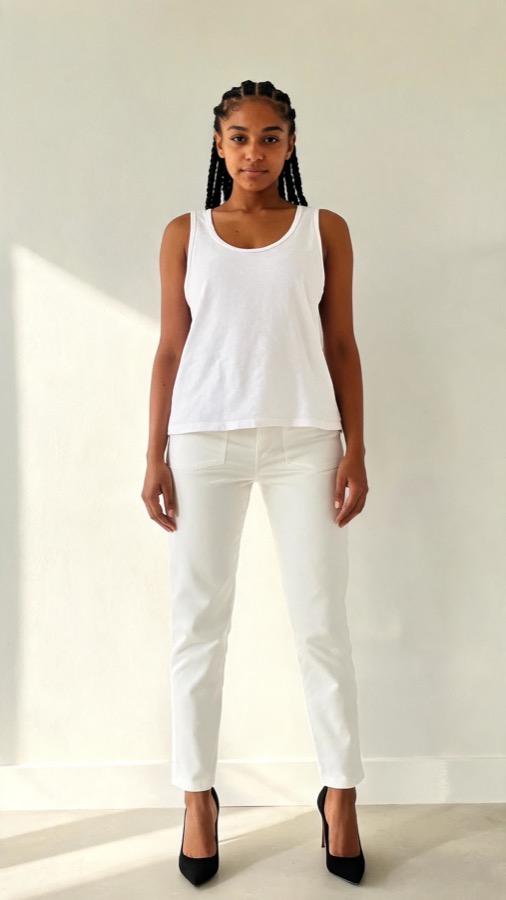

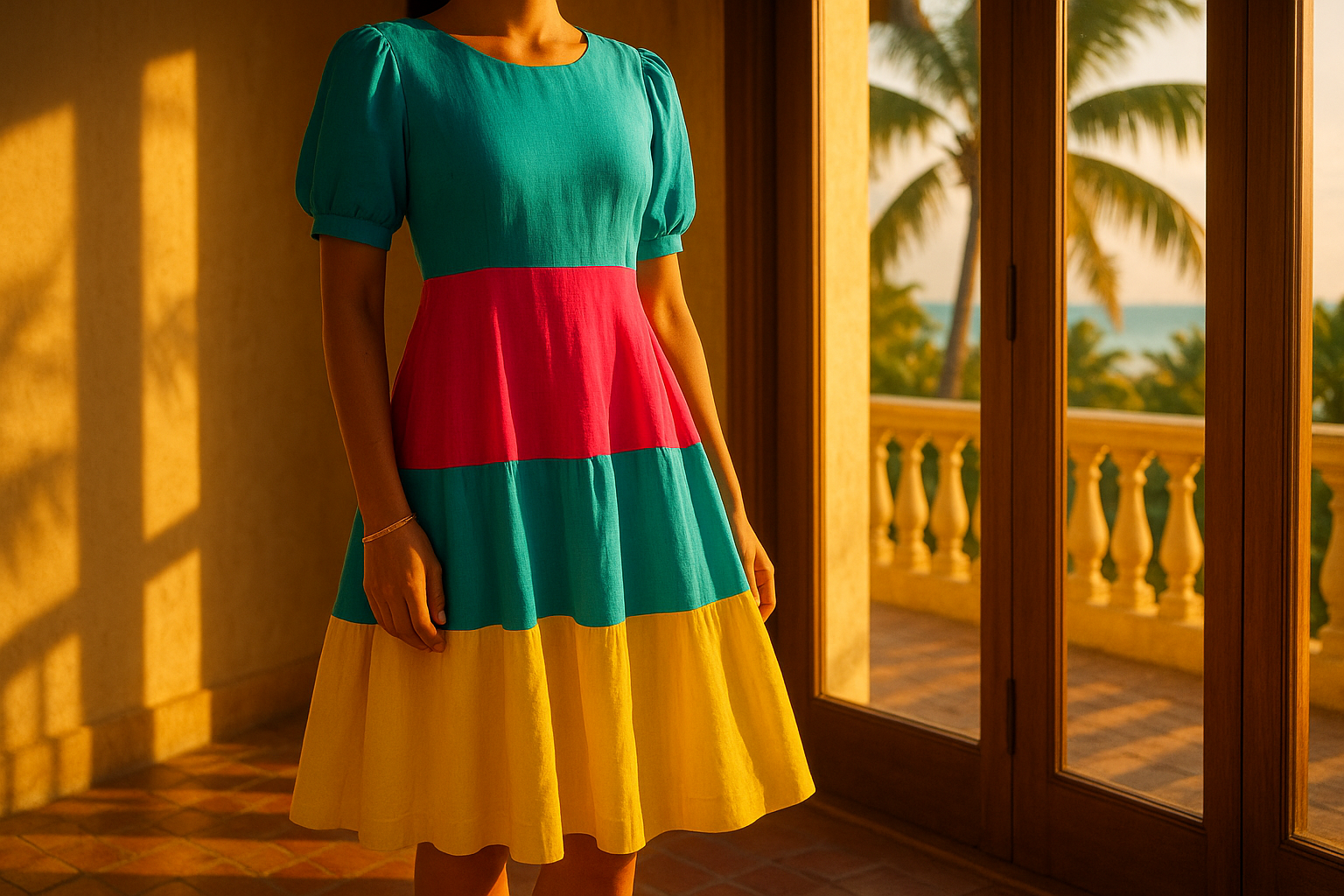
What’s trending now is the idea of fashion as self-regulation. Designers and influencers are increasingly encouraging people to choose clothing that supports their mental and emotional state, not just follows trends. For example, TikTok’s “dopamine dressing” movement, which took over last year, was rooted in this very idea – using color and texture to boost mood and confidence.
AI technology now takes this a step further by analyzing your preferences, weather conditions, and even local fashion trends to recommend looks that match both your energy and your environment.
How does AI actually know what mood or style fits you best?
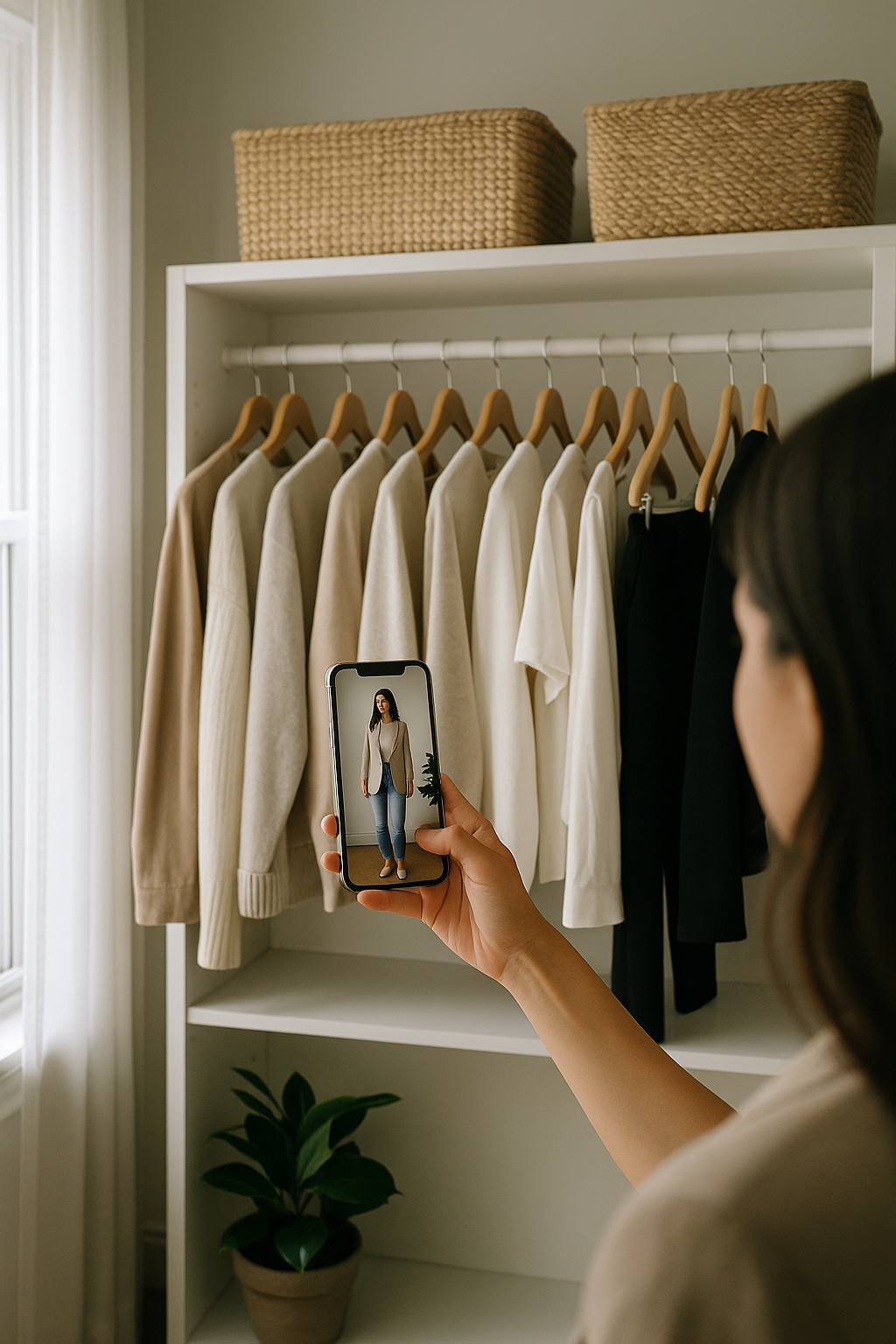
Here’s where it gets interesting. AI-powered styling tools don’t read minds, but they do read data. Platforms like Tryfits AI use advanced image recognition and personalization algorithms to learn your unique taste. You upload a few photos or try on clothes virtually, and the system studies your color preferences, silhouette choices, and even facial expressions to understand your style personality.
In practice, that means if you often choose flowing silhouettes and soft hues, the AI starts associating that with your calm or romantic moods. When your local forecast shows rain and cooler temperatures, it may suggest layering with a structured trench and cozy knits to keep the vibe balanced and weather-appropriate.
Example: Sarah, a marketing executive, uses Tryfits AI every morning before work. “I never thought I’d trust an app to pick my outfit,” she laughs, “but it gets me. If I log that I’m feeling low-energy, it suggests my favorite lilac sweater and neutral trousers. Somehow, it just fits my day.”
Can AI really factor in the weather and my local environment?
Absolutely. The latest fashion tech integrates real-time weather data, temperature, and even humidity to help you plan outfits that are both stylish and functional. It’s no longer just about what looks good – it’s about what feels good in context.
Imagine this: you’re in Los Angeles, and it’s a bright but breezy 72°F day. You open your Tryfits AI app, which recommends a cropped denim jacket layered over a linen jumpsuit. Or maybe you’re in London, where the drizzle never ends. The app might suggest waterproof ankle boots paired with a belted wool coat. You can even preview these outfits virtually on your digital twin before stepping outside.
Fashion influencers are loving this data-driven styling. What’s trending is “weather-smart fashion,” where practical meets aesthetic. AI bridges that effortlessly by balancing your personal energy with environmental cues. You don’t just dress for the forecast anymore – you dress for the feeling.
How can AI help me plan outfits that match my changing moods?
Our moods fluctuate, and so should our style. Traditional fashion advice tends to be static, but AI styling adapts dynamically. Through mood tracking, behavioral data, and style history, AI platforms can predict what you’ll feel best wearing based on patterns from your past choices.
For instance, if you often choose monochrome outfits when you’re focused or ambitious, the AI learns that pattern. Next time you tag your mood as “productive,” it might show you sharp blazers, tailored pants, and structured tops. Conversely, if you indicate “creative” or “relaxed,” it pivots toward flowy dresses or comfy streetwear pieces.
Pro Tip:
- Try recording your daily outfit and mood using an AI wardrobe tracker. Over time, you’ll see patterns in how color and silhouette affect your energy levels.
- When you feel “off,” scroll through your past high-energy looks and see which outfits boosted your confidence.
This approach isn’t just futuristic – it’s practical. It empowers you to use fashion as a feedback loop for emotional awareness. And when an app like Tryfits AI lets you visualize outfits instantly, experimenting with moods becomes effortless.
How do I start using AI to style my outfits?
Getting started is surprisingly simple. You don’t need to be a tech expert or a stylist. Most AI fashion platforms are designed to feel intuitive and personal, much like a digital wardrobe assistant.


- Upload your photo or avatar: Use a clear full-body image to help the AI analyze your proportions and style preferences.
- Tag your moods and occasions: Select from moods like “confident,” “relaxed,” or “romantic.” Add events like “brunch,” “office day,” or “date night.”
- Get outfit recommendations: The AI curates looks that match your emotional energy and the day’s weather.
- Try them on virtually: Apps like Tryfits AI let you see each outfit on your real body using realistic video try-ons.
- Save your favorites: Build a personalized moodboard of your go-to styles.
What’s trending is using these tools not just for shopping but for personal styling. Many users now rely on virtual try-on sessions to decide their outfits before even opening the closet. It’s a game changer for anyone who hates morning wardrobe indecision.
Can AI really replace personal stylists or is it just a trend?
AI isn’t replacing personal stylists – it’s enhancing them. While algorithms excel at analyzing data, humans bring emotional nuance. The best styling outcomes happen when you combine both. Think of AI as your co-stylist who handles the heavy lifting, freeing you to focus on creativity and self-expression.
For example, fashion stylists working with influencers often use AI dashboards to analyze audience engagement. They look at which outfit colors, cuts, and settings perform best. Similarly, everyday users can access those same analytics for their own wardrobe. If your casual streetwear posts always get the most likes, the AI learns that’s your power zone and keeps suggesting similar looks.
So no, it’s not just a passing trend. AI fashion is becoming embedded in the entire wardrobe lifecycle – from shopping and try-ons to personal branding and sustainability tracking.
How does AI styling tie into sustainable fashion choices?
One of the most exciting developments is how AI helps reduce overconsumption. Instead of impulse-buying trends, AI encourages smarter, mood-aligned choices. It reminds you of what you already own and how to restyle it differently.
Imagine opening your app and seeing outfit suggestions that remix your existing wardrobe instead of pushing new purchases. Or receiving alerts about weather-appropriate pieces you already have. That’s sustainable fashion made simple through data and design.
Example: A Tryfits AI user noticed the app frequently recommended her vintage leather jacket for different moods. It wasn’t about replacing it with something new – it was about rediscovering it through new combinations. That’s where tech meets timelessness.
Why does mood-based dressing matter more than ever?
In an era of remote work, hybrid schedules, and digital fatigue, fashion has evolved into a form of emotional self-care. Dressing intentionally can help you transition between roles and environments with confidence. AI just makes that process smarter, faster, and more in tune with you.
The latest trend shows that people are craving authenticity – looks that feel as good as they appear. Mood-based AI styling gives you that balance, helping you look like yourself, only more attuned to how you actually feel.
In Short:
- Dressing for your mood isn’t vanity – it’s emotional intelligence.
- AI tools like Tryfits AI make that process data-driven and fun.
- You can sync your wardrobe with your energy and environment effortlessly.
Ready to dress your mood?
Next time you wake up unsure what to wear, don’t just reach for what’s clean or trendy. Let your mood, your energy, and a little AI guidance lead the way. Whether it’s sunny optimism or cozy introspection, your outfit can match your inner weather just as much as the one outside.
Want to try on clothes before buying? Experience how AI styling feels with Tryfits AI – upload a photo, visualize your mood-matched outfits, and see what fits your energy today. Because when your look aligns with your vibe, you’re not just dressed – you’re defined.