
We’ve all been there – trying to stand out in the digital fashion space but not sure how to actually make it work.
Maybe you’ve been creating outfit videos, styling posts, or digital lookbooks, but your engagement feels stuck. Or maybe you’ve been eyeing those creators who turn their content into real opportunities – collaborations, sales, and brand deals – and wondering how they did it.
The truth is, the line between content and commerce in fashion is getting thinner every day. Virtual fashion and AI try-on tech are changing the game, and creators who know how to use them are building digital portfolios that not only look amazing but also convert views into value.
If you’ve ever thought, “Where do I even start?” or “What’s the right way to show my digital fashion skills?”, you’re not alone. Let’s break it down together – step by step.
 LIVE FITTING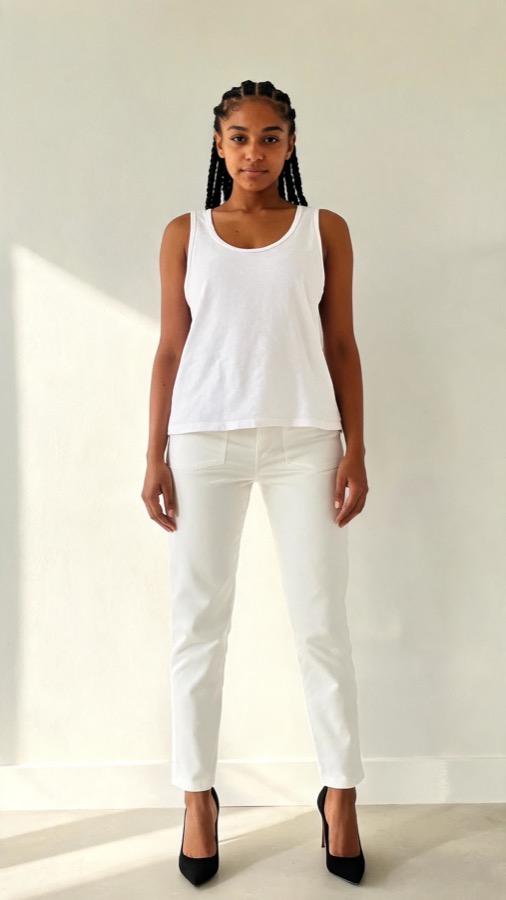

The Problem: Beautiful Content Isn’t Always Enough
Let’s be real – posting outfit videos or flat lays is fun, but it’s no longer enough to stand out. Algorithms are crowded, trends move fast, and brands now expect creators to show not just aesthetic but impact.
You might have the eye for styling, but if your content doesn’t clearly show your value to brands or your audience, it gets lost in the scroll. A high-performing virtual fashion portfolio bridges that gap – it shows your skills, style, and potential in one place.
Solution 1: Build a Strong Visual Identity
Before you even think about tools or monetization, you need a signature style. That’s what makes your portfolio recognizable and memorable.
How to find your visual voice
- Audit your current content. Look at your top-performing posts. What colors, angles, or moods keep showing up? That’s your brand DNA.
- Create consistency across platforms. Use the same editing style, lighting, and tone on Instagram, TikTok, and your digital portfolio site.
- Think moodboard, not grid. A portfolio should feel cohesive, not repetitive. Curate a selection that shows your range while staying on-brand.
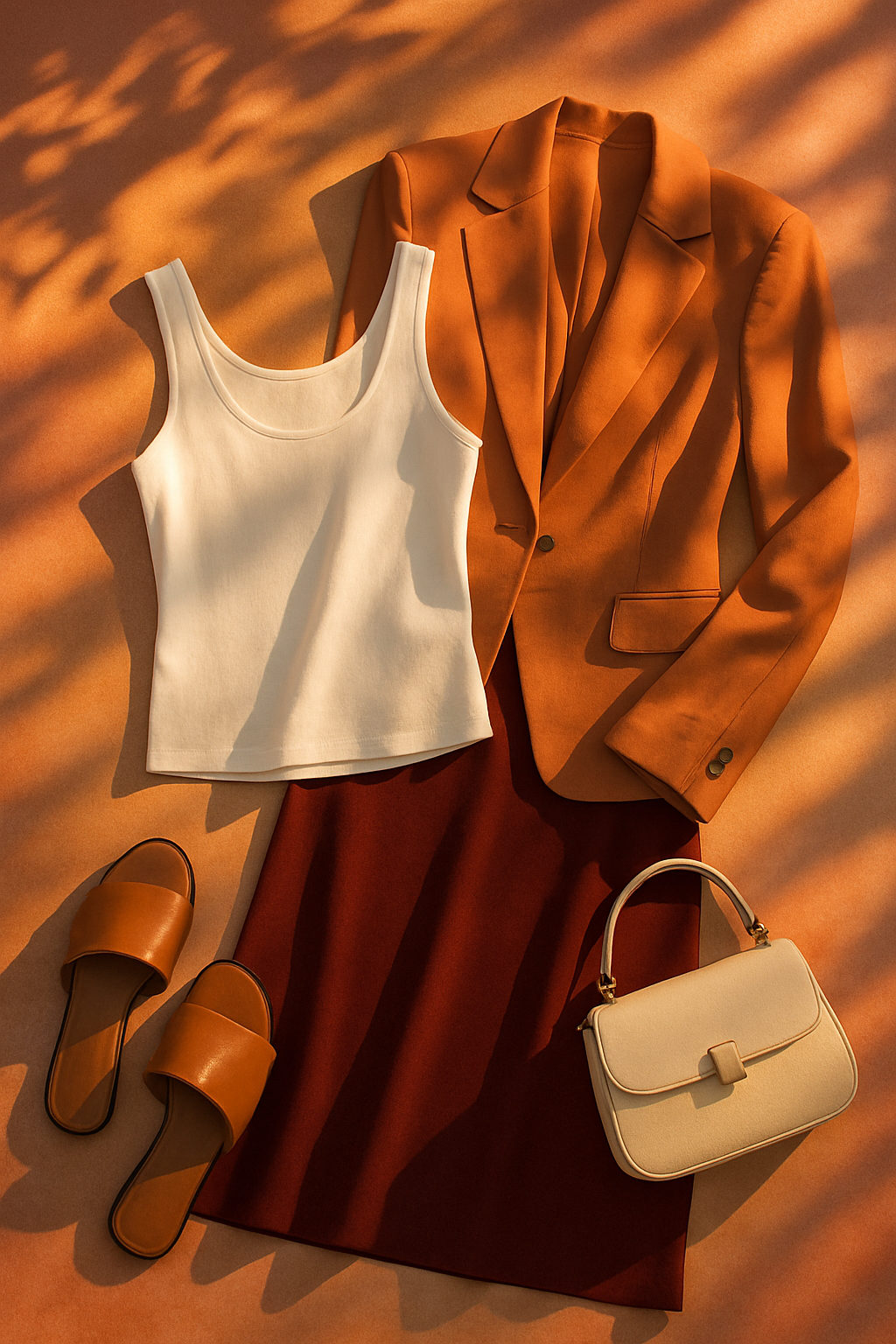
For example, if your vibe is minimal and modern, use soft neutrals, simple backgrounds, and clean lines. If your audience loves bold streetwear, keep the energy dynamic with movement shots and color pops.
Solution 2: Go Beyond Photos – Add Virtual Try-Ons
Here’s where tech steps in. You can now show how outfits look on you without needing a full wardrobe or studio setup. AI-powered virtual try-ons are turning regular creators into digital stylists.
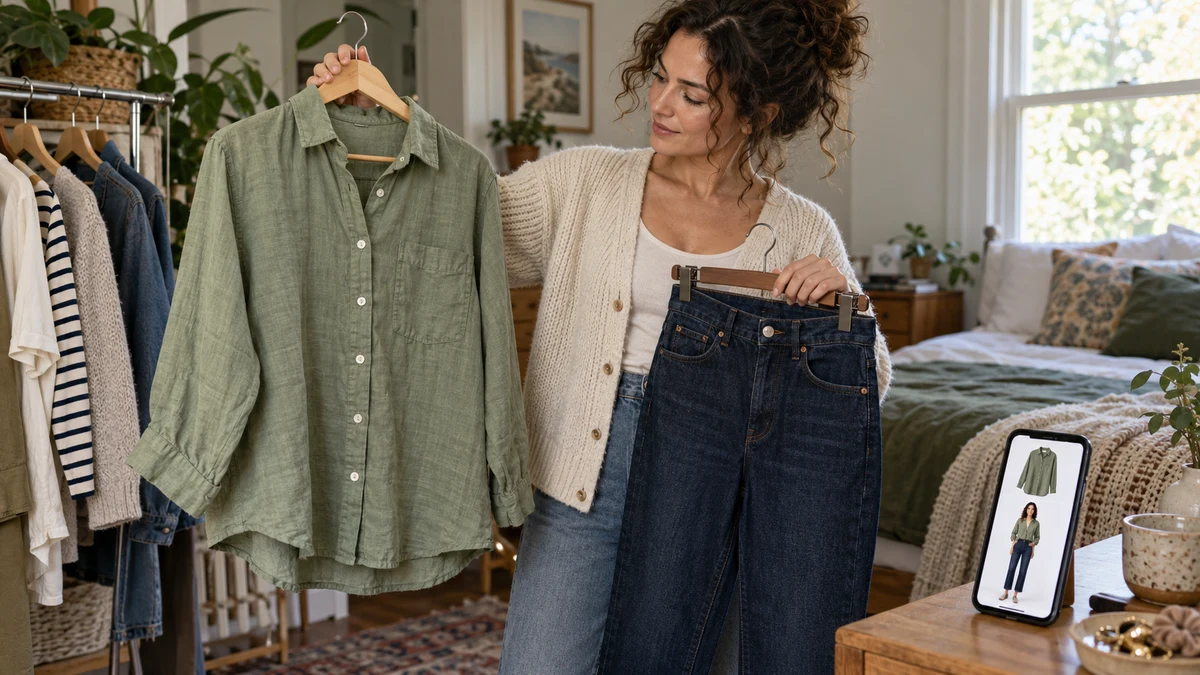
With apps like Tryfits AI, you can upload a photo, try on clothes virtually, and even create realistic video try-ons that look like you’re actually wearing them. This helps you build a fashion portfolio that feels interactive and futuristic – exactly what brands want to see in 2025.
How to make the most of virtual try-ons
- Use AI try-ons to experiment with styles or brands you don’t own yet.
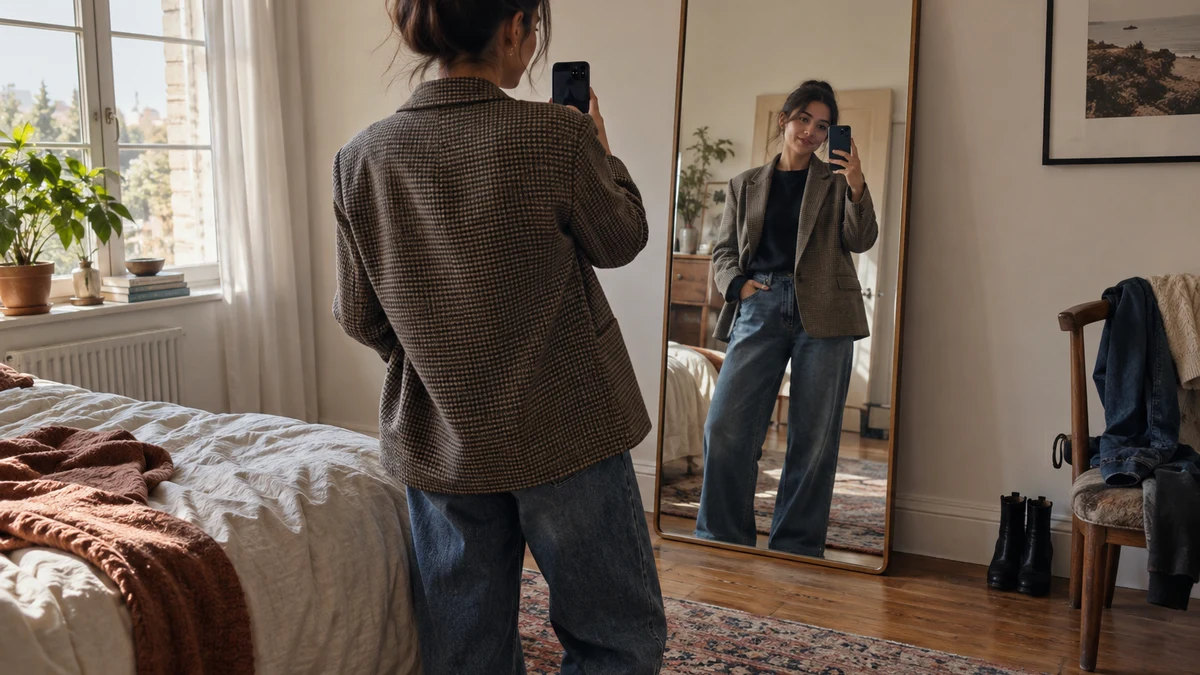
- Show “before and after” looks – your real outfit next to your virtual one.
- Create themed lookbooks like “Vacation Vibes” or “Office to Evening” using virtual outfits.
Not only does this save you time and money, it shows that you’re forward-thinking and comfortable with fashion tech – a big plus in collaborations.
Solution 3: Organize Your Portfolio Like a Story, Not a Catalog
Your portfolio isn’t just a gallery – it’s a story about your style evolution. Think of it as a journey that guides viewers through your creative process.
Structure ideas for your portfolio
- Start with your “why.” A short intro or mission statement sets the tone. Example: “I blend sustainable fashion with AI try-ons to help people shop smarter.”
- Show your range. Include 3-5 categories like street style, casual chic, or digital couture.
- Highlight your impact. Include stats, engagement metrics, or brand collaborations to show credibility.
- End with a call to connect. Add links to socials, your Tryfits AI looks, or a contact form for partnerships.
Pro tip: Keep your portfolio mobile-friendly. Most brands will view it on their phones, so make sure images load fast and layouts are simple.
Solution 4: Turn Engagement Into Income
Creating beautiful content is step one. Turning it into business is where the real growth happens. The goal? To build a portfolio that brands see and think, “We need to work with them.”


Ways to monetize your virtual fashion portfolio
- Affiliate marketing. Link your virtual try-on outfits to shopping sites. If someone buys through your link, you earn a commission.
- Sponsored content. Pitch brands with a digital deck showing your engagement rates and AI try-on examples. Brands love seeing innovative content ideas.
- Sell digital styling sessions. Offer virtual styling advice through platforms like Tryfits AI, where users can see your recommended outfits in motion.
- Build your own shop. Curate looks through your affiliate links or dropship items that align with your brand.
When your portfolio clearly shows how your audience interacts with your content, brands see value right away. Virtual try-ons and interactive fashion make it even more compelling because it’s proof of influence in action.
Solution 5: Keep Evolving With Data and Feedback
The most successful creators treat their portfolio as a living project. Update it as your style changes, as trends shift, or as you gain new insights from your audience.
Here’s how to stay ahead:
- Track performance. Which looks get the most engagement? Which videos drive clicks? Adjust based on what works.
- Ask for feedback. Get insights from peers, followers, or even AI style assistants like your stylist inside Tryfits AI.
- Experiment with formats. Try AR filters, motion videos, or interactive style quizzes. The fashion-tech landscape is changing fast, and being early matters.
Think of your virtual portfolio like your fashion identity online. It should evolve as you do – growing in sophistication, creativity, and clarity over time.
Frequently Asked Questions
How often should I update my fashion portfolio?
Ideally, review it every 2-3 months. Update visuals, swap out old content, and include your latest campaigns or AI try-on looks. The more current it feels, the more relevant you appear to brands.
Do I need expensive tools or software to start?
Not at all. You can start with free design platforms like Canva or Notion for layout, and use Tryfits AI to create professional-grade virtual try-ons without any gear or studio setup.
What’s the biggest mistake creators make with their portfolios?
Trying to do too much. Overloading your portfolio with 50 photos or every collab you’ve done can make it confusing. Focus on your best 10-15 pieces that truly show your range and style identity.
Can I use virtual try-ons even if I’m not a designer?
Absolutely. Virtual try-ons are for anyone who wants to show how clothes look in real life without owning them. Whether you’re a stylist, model, or content creator, it helps you communicate your taste visually and effectively.
Conclusion: Content That Converts Starts With Clarity
Building a high-performing virtual fashion portfolio isn’t about perfection. It’s about clarity, creativity, and connection. When your digital presence tells a cohesive story – showing not just what you wear, but how you think and style – that’s when opportunities start flowing in.
Use AI tools like Tryfits AI to take your portfolio to the next level. Virtual try-ons, AI styling advice, and realistic outfit previews make your content instantly more dynamic and engaging.
Ready to turn your fashion content into your next big opportunity? Start experimenting, start creating, and most importantly, start showing the world what makes your style unforgettable.
Curious how you’d look in your dream outfit? Try it on virtually today with Tryfits AI and start building your digital fashion story.