
Trends & Culture: Fashion in the Metaverse – How Virtual Runways Are Redefining Luxury and Identity
Quick Summary
The metaverse is transforming fashion into an experience that blends creativity, technology, and self-expression like never before. This deep dive explores how virtual runways are redefining luxury, reshaping personal identity, and creating new opportunities for designers, brands, and consumers. From digital couture to AI-powered styling apps like Tryfits AI, fashion’s next chapter is happening in pixels – not just fabric!
Welcome to the Metaverse Fashion Revolution
Imagine a world where you can attend Paris Fashion Week from your living room, wearing a digital Balenciaga jacket that glows with custom animation, or strut down a runway as your personalized avatar in a designer NFT gown. Sounds futuristic? It’s already happening!
The metaverse has opened doors for a new era of fashion that transcends physical limits. Virtual runways, digital clothing, and immersive experiences are redefining how we view style, luxury, and identity. This isn’t just about fashion as we know it – it’s about fashion as we imagine it!
 LIVE FITTING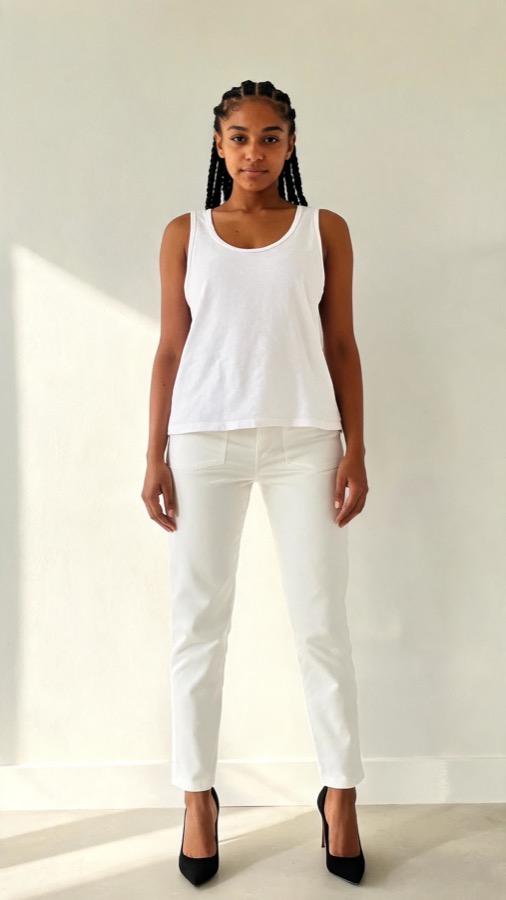

Let’s dive into how the virtual runway is changing everything from creativity to commerce, and why you’re going to love where fashion is headed next.
1. The Rise of Virtual Runways
Fashion Shows Without Borders
Traditional fashion weeks once required travel, invitations, and front-row exclusivity. Now, anyone with internet access can attend shows in virtual worlds like Decentraland, Roblox, and Zepeto. These platforms have hosted events like the Metaverse Fashion Week, featuring top brands such as Dolce & Gabbana, Tommy Hilfiger, and Etro.
These digital runways aren’t bound by fabric, physics, or even gravity. Designers can create garments made of light, holograms, or fluid simulations. The result? Unimaginable creativity that pushes fashion beyond its physical boundaries!
Example: Dolce & Gabbana’s Digital Couture
In 2021, Dolce & Gabbana sold a collection of NFT-based couture pieces for over $5 million. Each digital item came with a physical counterpart, blending the real and the virtual. This hybrid model has since inspired dozens of brands to explore similar collaborations – proof that the metaverse isn’t just play, it’s profit!
Why It Matters
Virtual runways democratize fashion. No longer confined to elite events, they allow fans, creators, and shoppers to experience high fashion in interactive, inclusive ways. They also give emerging designers a platform to showcase digital-only collections without the high costs of traditional production.
2. Redefining Luxury in the Digital Age
From Material to Meaning
Luxury used to be defined by rarity, craftsmanship, and price. But in the metaverse, luxury takes on a new form – exclusivity through code and creativity. A digital dress that only one avatar in the world can wear has the same allure as a couture gown hand-stitched in Paris.
For Gen Z and digital natives, virtual possessions carry emotional and social value. Owning a limited-edition NFT handbag signals status in the same way a Hermès Birkin might in the physical world. The difference? It can be worn anywhere in the metaverse – from virtual concerts to digital social spaces.
Example: Gucci Garden on Roblox
Gucci’s immersive experience on Roblox sold virtual bags that briefly resold for more than their real-life counterparts. That’s right – a digital Gucci bag went for over $4,000. It’s a testament to how digital luxury is being redefined by cultural relevance, community, and scarcity, not just material value.
Why It Matters
This shift toward digital luxury reflects a deeper trend: fashion as identity performance. Consumers are no longer just buying products, they’re buying experiences. And in virtual spaces, those experiences can be personalized, gamified, and shared instantly with global audiences.
3. Identity and Self-Expression in the Metaverse
Fashion Without Physical Limits
In the physical world, self-expression is often limited by body type, gender norms, or budget. But in the metaverse, identity is fluid. You can be anyone, wear anything, and express every version of yourself freely.
Virtual avatars allow for infinite customization – from fantasy-inspired couture to everyday digital streetwear. Fashion becomes a tool for storytelling, empowerment, and experimentation. That’s not just liberating, it’s transformative.
Example: The Rise of Digital Influencers
Avatars like Imma (a Japanese virtual influencer) and Lil Miquela (a digital fashion icon) have collaborated with brands like Prada and Calvin Klein. Their digital wardrobes spark conversation about what it means to be fashionable in a world where your physical body no longer defines your style.


Why It Matters
The metaverse encourages a shift from fashion as conformity to fashion as creativity. It allows individuals to build digital identities that mirror – or reinvent – who they are. And with AI styling tools like Tryfits AI, anyone can experiment with looks that match their personality, body shape, and aesthetic before they even buy.
4. Technology Powering the Virtual Fashion Movement
AR and VR in Fashion Experiences
Augmented and virtual reality are the engines behind immersive fashion. AR lets shoppers virtually try on clothing through apps, while VR powers 3D runways and interactive shopping experiences. Brands like Nike and Balenciaga are already building their own metaverse spaces where users can explore collections and attend digital events.
This technology bridges imagination and practicality. It helps shoppers visualize how clothing moves, fits, and feels – even when it exists only in pixels. It’s the kind of innovation that makes fashion more accessible and sustainable.
Example: AI-Driven Try-Ons with Tryfits AI
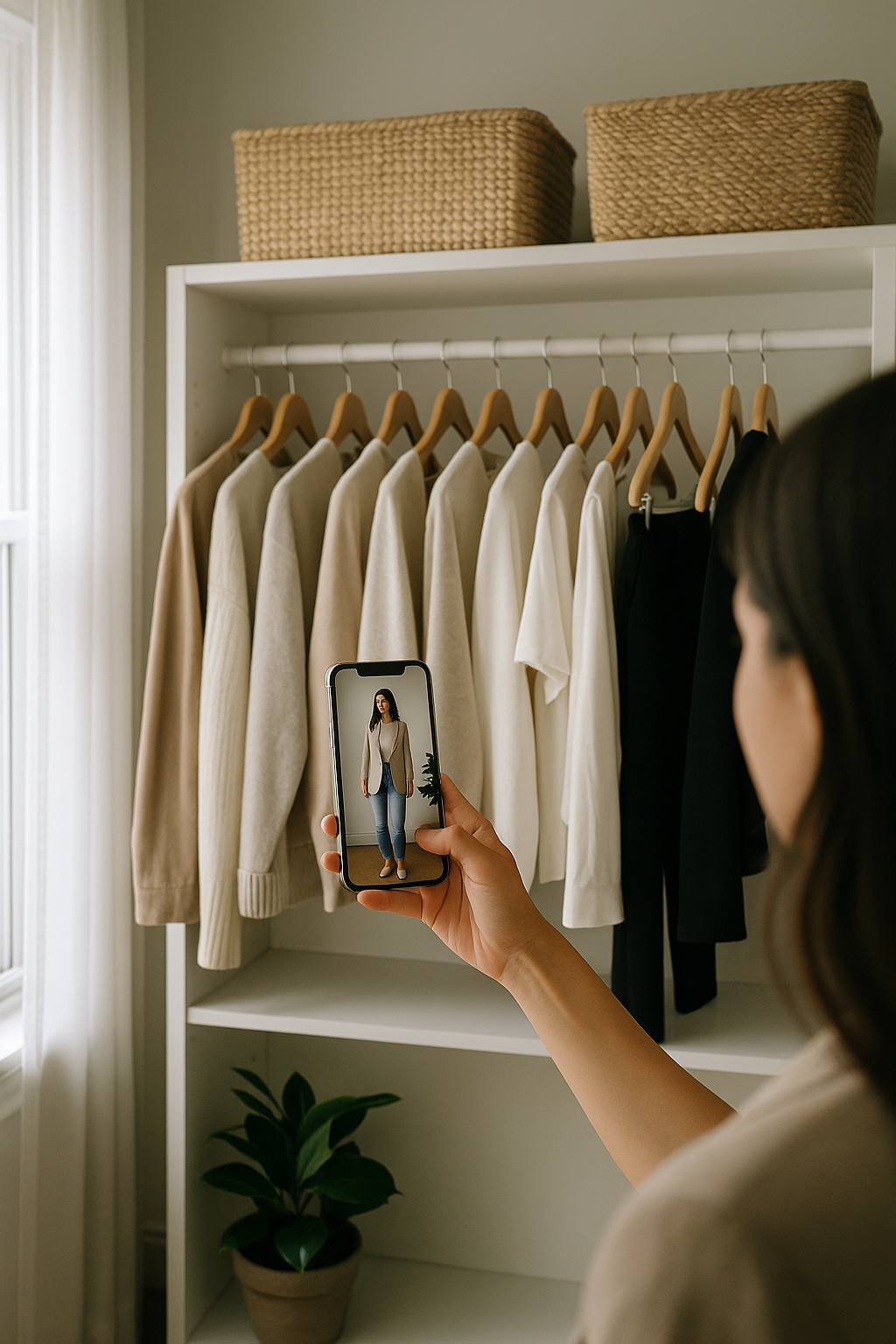
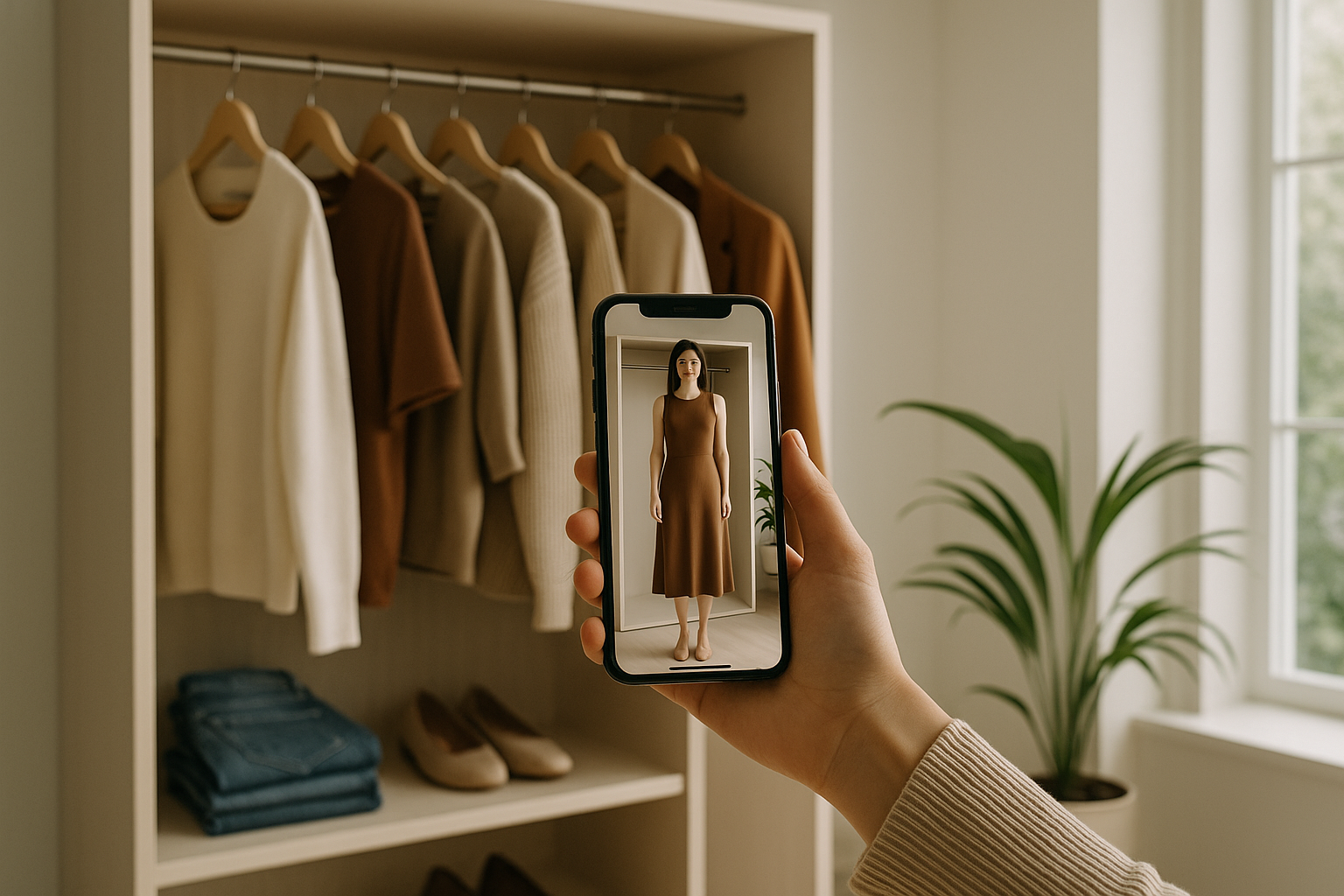
Tryfits AI takes this concept even further. With just a photo, users can experience realistic video try-ons, mix and match outfits, and get personalized style advice from your stylist, their virtual stylist. It’s not only futuristic – it’s functional! Shoppers can see exactly how a piece looks on them before clicking “buy.”
Blockchain and Digital Ownership
Behind the scenes, blockchain technology secures ownership of digital fashion assets. NFTs allow buyers to prove authenticity, trade digital pieces, and even earn royalties. It’s fashion meets finance, giving digital couture real-world value.
3D Design and Virtual Fabric Simulation
Tools like CLO3D and Marvelous Designer let creators craft hyper-realistic garments that drape, move, and flow like real fabric. Designers can prototype collections digitally, reducing waste and speeding up production cycles. It’s sustainable innovation at its best.
5. The Future of Fashion in the Metaverse
Blurring Real and Virtual Worlds
We’re heading toward a future where the line between digital and physical fashion will fade. Imagine buying a jacket that exists both as a physical item and a digital twin for your avatar. Or attending a hybrid fashion show that synchronizes real-world models with their virtual counterparts in real-time.
Major fashion houses are already investing in digital R&D teams, building experiences that merge virtual craftsmanship with physical artistry. Soon, fashion weeks might be hybrid by default, with global audiences participating through VR headsets and AI-curated styling experiences.
Inclusivity and Accessibility
Virtual fashion opens doors for designers and consumers alike. Small creators can build global followings without the financial barriers of physical production. Shoppers can try new looks without risk or waste. And individuals from diverse backgrounds can express themselves without constraint. The result? A more inclusive and imaginative industry for all.
Environmental and Ethical Impact
By shifting some production into digital spaces, the fashion industry can reduce textile waste, water consumption, and carbon emissions. While digital fashion still requires energy, its potential to offset the environmental toll of fast fashion is exciting and important.
Conclusion: The Runway of the Future is Virtual
The metaverse is more than a digital playground – it’s a creative revolution. It’s changing how we design, express, and consume fashion. From virtual couture to AI-powered styling, the possibilities are endless and electrifying!
Luxury is no longer defined by material possessions but by imagination, experience, and innovation. Fashion in the metaverse invites everyone to participate, experiment, and shine in new dimensions.
Ready to see how you’d look on your own virtual runway? Try Tryfits AI today to explore your style in a whole new way. Virtually try on outfits, experiment with new looks, and redefine your fashion identity – all from your phone. The future of fashion is here, and it’s yours to wear!