Trends & Culture: From Runway to Render: How Digital-First Fashion Weeks Are Changing the Industry Forever
Let’s be real, the fashion world has never been known for standing still. But over the last few years, something huge has happened – runways have gone digital, and the industry will never be the same again. The traditional catwalk, once reserved for front-row editors and celebrities, has evolved into a global, accessible, and interactive experience. Welcome to the era of digital-first fashion weeks, where creativity meets code, and couture meets clicks.
We’ve all scrolled through jaw-dropping virtual runways, seen avatars rocking the latest styles, or watched live-streamed fashion shows from our phones. But what’s really happening behind the scenes? And more importantly, how is it changing the future of fashion for designers, influencers, and shoppers like us?
 LIVE FITTING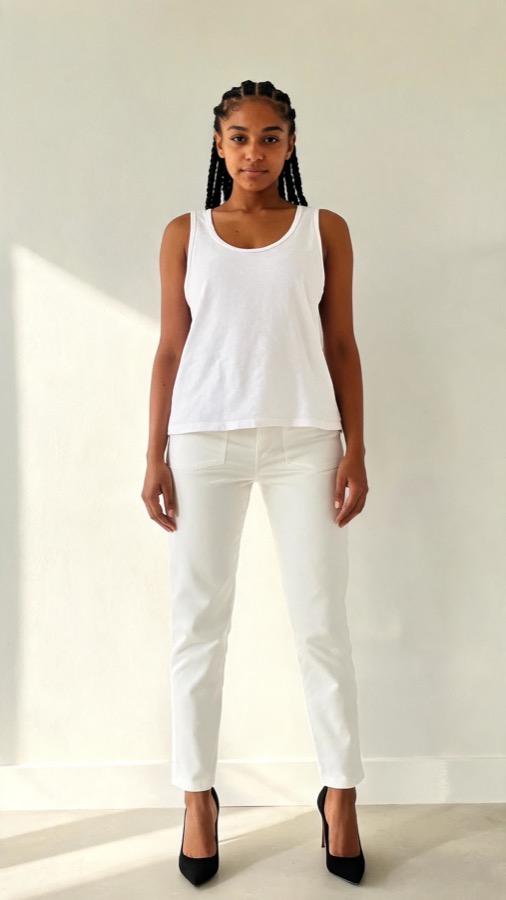

Let’s dive into the top ways digital-first fashion weeks are transforming the industry forever.
1. The Front Row is Now Your Couch
Remember when getting into a fashion show was all about who you knew? Those days are over. Now, you don’t need an invite, a press badge, or a designer wardrobe to experience runway magic. Digital-first fashion weeks have democratized access to one of the most exclusive industries on the planet.
Fashion giants like Balenciaga, Gucci, and Prada have live-streamed their shows to millions worldwide. Even smaller designers can reach massive audiences through YouTube, TikTok, and Instagram Live. Suddenly, a college student in Seoul can experience Paris Fashion Week in real time, while an aspiring stylist in Lagos can take notes from Milan’s latest collections.
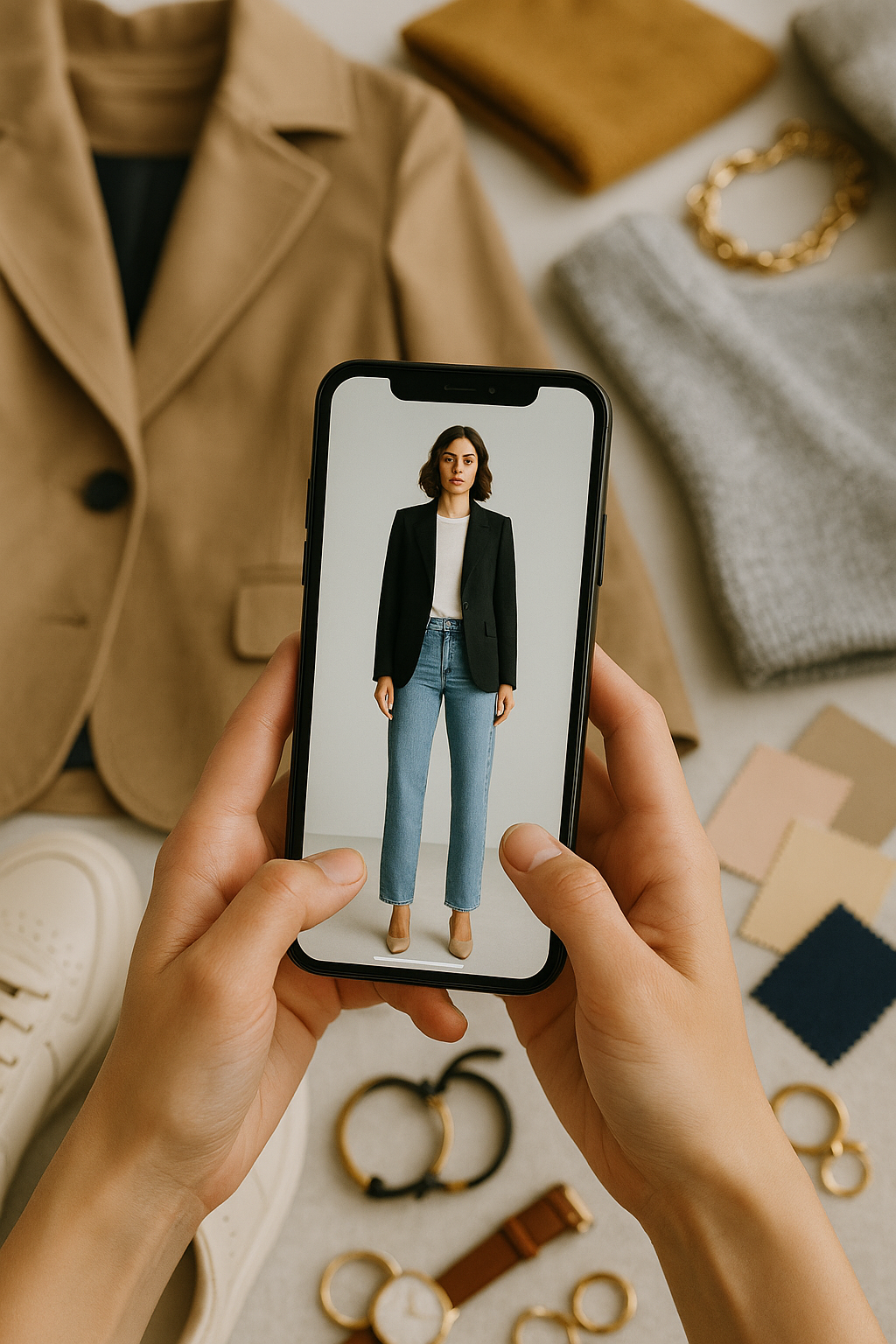
And with virtual try-on tech, viewers don’t just watch – they participate. Apps like Tryfits AI make it possible to see how runway looks would fit your own body with just a photo. No guessing, no filters, just pure fashion experimentation from your living room.
2. Designers Are Experimenting Like Never Before
The shift from physical to digital has opened up a new creative playground for designers. Without the constraints of fabric, gravity, or logistics, imagination can run wild. Digital fashion weeks have given birth to designs that literally defy physics – flowing holographic gowns, metallic skin overlays, and avatars strutting through surreal dreamscapes.
Brands like The Fabricant and DressX have been leading the charge, creating fully digital collections that exist only in pixels. Even luxury houses like Burberry and Louis Vuitton are blending CGI with real-life shows to create immersive hybrid experiences. The result? Fashion that’s more art than apparel, breaking boundaries between reality and fantasy.
Let’s be honest, not every outfit needs to be wearable to be influential. Digital runways let designers test ideas, spark trends, and explore aesthetics that might later inspire physical collections. It’s creativity without compromise.
3. Sustainability Is Finally in Style
Here’s the truth: traditional fashion weeks are stunning, but they’re also incredibly wasteful. From air travel and massive production costs to discarded materials and overstocked samples, the carbon footprint is huge. Digital-first fashion weeks are rewriting that story.
By going virtual, brands save thousands of tons of emissions by cutting down on travel, set construction, and physical sample production. According to a report from Ordre.com, digital fashion weeks could reduce CO₂ emissions by up to 97% compared to traditional shows.
Plus, digital garments and try-on tech help consumers shop more responsibly. Instead of buying items that might not fit or flatter, you can use Tryfits AI to preview outfits virtually before buying. That means fewer returns, less waste, and smarter wardrobe choices. Sustainability and tech finally make sense together.
4. The Rise of Virtual Influencers and Avatars
If you’ve seen Lil Miquela, Shudu, or Imma on your feed, you’ve witnessed the rise of virtual influencers. These digital personalities are now walking virtual runways, fronting campaigns, and even collaborating with real-world designers. It’s the perfect marriage of fashion and futuristic storytelling.
Brands are using these avatars to connect with younger, tech-savvy audiences who crave authenticity and innovation. Virtual fashion weeks often feature digital models styled in next-gen designs, allowing for creative freedom that real-world production could never achieve.
And it’s not just brands – creators are getting in on the action too. Using tools like Unreal Engine or AI-driven styling apps, anyone can create their own virtual runway looks. It’s fashion’s version of the metaverse, and it’s giving everyone a seat (and a spotlight) at the table.


5. The Shopping Experience Just Got Smarter
In the old days, seeing a runway look meant waiting months for it to hit stores. Not anymore. Digital-first fashion weeks have merged entertainment with instant gratification. See it, click it, buy it – that’s the new rhythm of the fashion world.
Shoppable live streams are now the norm. Platforms like TikTok Shop, Instagram Live, and YouTube Live let viewers purchase items instantly during or right after a show. It’s turning fashion weeks into retail events, not just spectacles.
Tryfits AI takes this one step further. Instead of wondering how that dress looks on the model, you can use your own photo to see it on yourself instantly. That’s not just convenient – it’s transformative. It eliminates uncertainty and helps you shop with confidence, making every digital runway an interactive fitting room.
6. New Voices Are Finally Being Heard
Let’s be honest, the old fashion system wasn’t exactly inclusive. The same few cities, designers, and faces dominated every season. But digital-first fashion weeks are leveling the playing field. Now, designers from underrepresented backgrounds can showcase their work globally without needing massive budgets or industry connections.
Take Lagos Fashion Week or Tokyo Virtual Runway – both have gained international attention thanks to digital accessibility. Indie creators can use social media to debut collections that reach global audiences overnight. That kind of exposure would’ve been impossible in the old world of closed-door shows and gatekept media.
For many designers, digital-first shows have become the gateway to global recognition. It’s not just about big names anymore, it’s about bold voices. And the audience? More diverse and engaged than ever before.
7. The Future of Fashion Weeks Is Hybrid (and That’s a Good Thing)
While digital-first fashion weeks have redefined the industry, most experts agree that the future lies in a hybrid model. There’s still something magical about seeing real fabrics move, hearing the music, and feeling the energy of a live audience. But blending that with virtual innovation gives us the best of both worlds.
Imagine attending a show in person while your friend across the world watches the same event in immersive 3D. Or picture designers using augmented reality to project digital overlays onto physical garments. The line between online and offline is blurring fast, and that’s exactly where fashion thrives – in the space where imagination meets reality.
Brands that adapt quickly will not only survive but thrive in this hybrid future. And for consumers, it means endless possibilities to explore, experiment, and express themselves without limits.
Conclusion: The Catwalk Has Gone Code, and That’s Beautiful
We’ve all seen it coming – fashion is becoming more digital, more inclusive, and more interactive by the day. From global accessibility to sustainability and innovation, digital-first fashion weeks are rewriting the rules of the runway. The old gatekeepers are stepping aside, and creativity is finally in everyone’s hands (and on everyone’s screens).
If you’re ready to experience the future of fashion for yourself, why not start by trying on your favorite looks virtually? With Tryfits AI, you can see exactly how any outfit looks on you before buying, get personalized style advice from your stylist, and explore digital fashion like never before.
Ready to see how that outfit looks on you? Try it out today and step into the next era of fashion – where every runway is just a tap away.