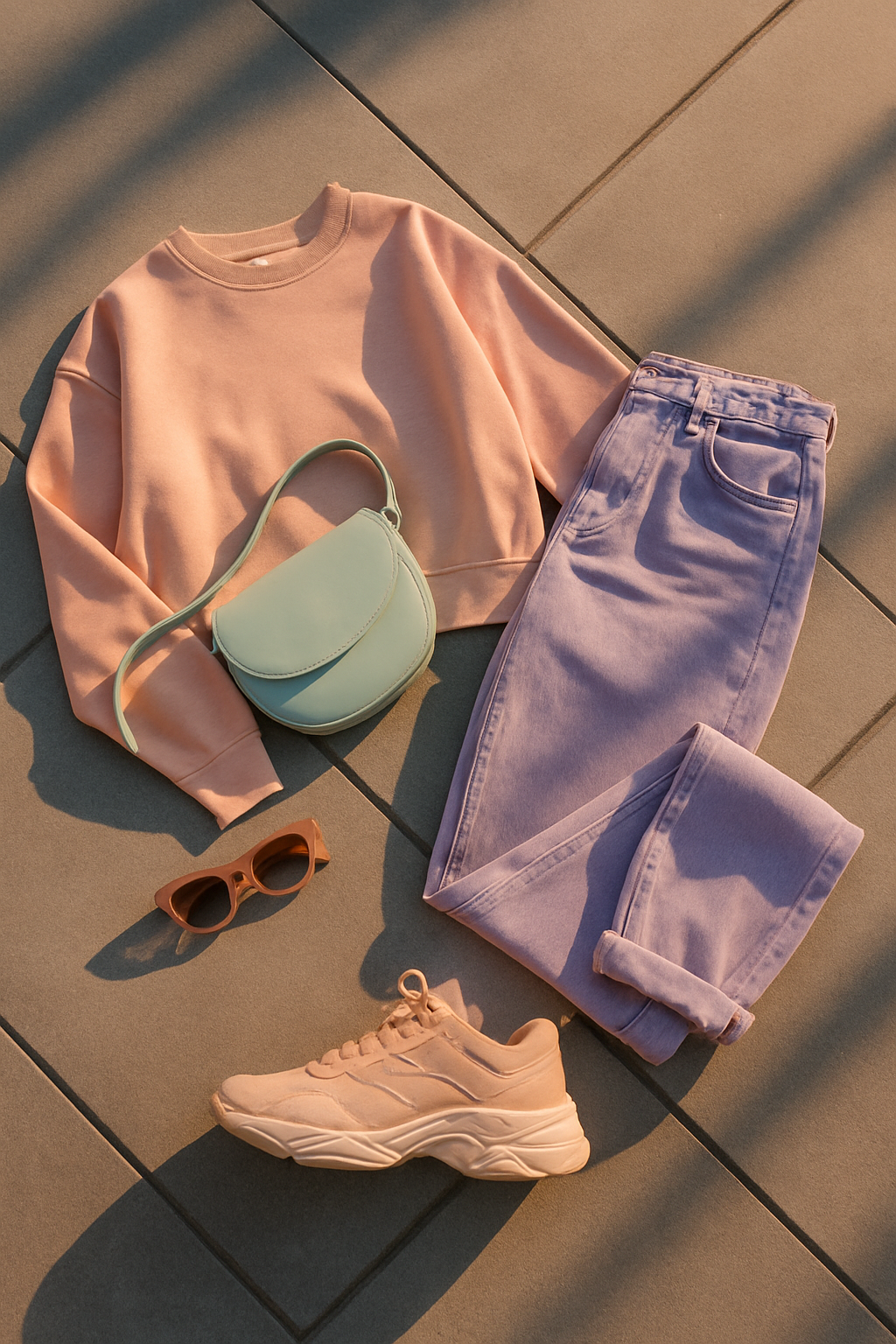
Trends & Culture: The Virtual Fitting Room Boom: Why Online Style Has Become the New Self-Expression
You know how trying on clothes used to mean standing in a crowded fitting room, juggling hangers, and hoping the mirror was telling the truth? Those days are fading fast. Now, virtual fitting rooms are taking center stage, letting you explore your personal style from anywhere with just your phone. It’s not just about convenience – it’s about creativity, identity, and confidence. Let’s talk about how this digital shift is changing what it means to express yourself through fashion.
What Exactly Is a Virtual Fitting Room?
At its core, a virtual fitting room is a digital tool that lets you try on clothes virtually using technology like augmented reality (AR), artificial intelligence (AI), or 3D modeling. You upload a photo or scan your body, and the app shows you how garments would look on you in real time. It’s like trying on an outfit in front of a mirror, except the mirror lives inside your phone.
 LIVE FITTING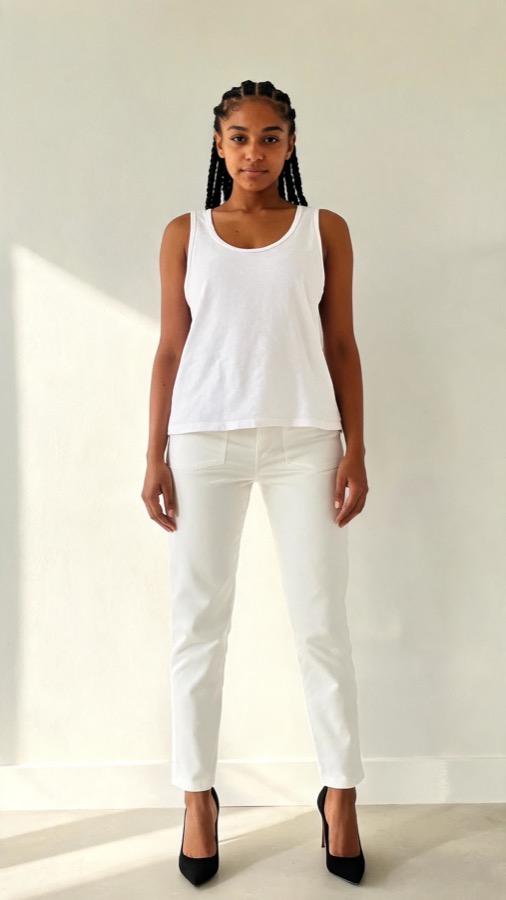

Some of the most advanced platforms, such as Tryfits AI, even let you see realistic video try-ons that move with you. You can walk, turn, and view the fabric’s fit and flow as if you were really wearing it. The magic lies in AI styling – matching outfits that suit your body shape, preferences, and vibe.
Why It Matters
Fashion has always been a form of self-expression. The virtual fitting room makes it more accessible and democratic. You can experiment with styles you might never have tried in-store, explore global brands, and shop without pressure. Plus, with AI recommendations, your digital wardrobe starts to feel like a stylist who really knows you.
How Do Virtual Fitting Rooms Compare to Traditional Shopping?
Let’s break it down. Each has its pros and cons, but the differences highlight why the virtual experience is gaining so much love.
Traditional In-Store Shopping
- Pros: You can feel the fabric, see colors in person, and get instant feedback from friends or stylists.
- Cons: Long lines, limited stock, inconsistent lighting in fitting rooms, and the hassle of returning items later.
Virtual Fitting Rooms
- Pros: Try on outfits instantly from anywhere, experiment freely, and see realistic results without changing clothes. Many platforms even give personalized AI styling advice.
- Cons: The tactile experience of fabric is missing, and not all virtual try-on tools are equally accurate or lifelike.
Comparison Overview
- Convenience: Virtual wins – no travel, no mess, just instant previews.
- Accuracy: In-store still edges ahead for physical texture and fit feel.
- Experimentation: Virtual offers more freedom to explore new looks risk-free.
- Social Sharing: Virtual allows quick sharing for feedback or posting on social media.
- Personalization: AI-powered apps like Tryfits AI create customized recommendations that evolve with your style choices.
Different Types of Virtual Fitting Experiences
Not all virtual try-ons are created equal. Depending on the technology used, the experience can range from simple previews to lifelike simulations. Here’s how they compare.
1. Photo Overlay Try-Ons
This method uses static photos. You upload a full-body image, and the clothing is digitally layered on top. It’s fast and accessible, perfect for quick outfit tests.
- Pros: Easy to use, works on most devices.
- Cons: Limited realism, can feel flat or two-dimensional.
2. Augmented Reality (AR) Try-Ons
AR overlays clothing onto your live camera feed, moving as you move. This gives a more interactive experience, letting you turn or walk while seeing how an outfit drapes.
- Pros: Fun, dynamic, and immersive.
- Cons: Requires a strong camera and lighting setup for best results.
3. AI-Powered 3D Try-Ons
This is where apps like Tryfits AI stand out. Using AI and realistic rendering, the outfit looks and moves like it’s really on your body. You can even see how different materials behave – like the flow of silk or the structure of denim.
- Pros: High realism, accurate body mapping, and dynamic visualization.
- Cons: Requires slightly more setup time to calibrate your model.
Why Virtual Fashion Has Become a Form of Self-Expression
You know how you sometimes dress a certain way because it feels like “you”? That’s exactly what virtual fashion enables – but amplified. You can experiment endlessly without limits like budget, size, or availability. You can see yourself in couture, streetwear, or vintage styles instantly.
Identity Meets Technology
Virtual fashion isn’t just about buying clothes; it’s about exploring who you are. Social media platforms are full of users showing off their digital outfits, blending physical and virtual identities. Whether it’s through a digital avatar or a virtual try-on reel, your digital self becomes part of your personal brand.
The Role of Social Media
Platforms like TikTok and Instagram have turned virtual outfits into creative storytelling tools. Influencers and creators use virtual fitting apps to show transitions between looks, create outfit challenges, and connect with followers in more visual, interactive ways.
Imagine filming a “Monday to Sunday Looks” reel where you switch outfits with a tap, all without changing clothes. That’s where tools like Tryfits AI come in handy, helping creators and shoppers alike visualize their style journey with confidence.
Pros and Cons of Virtual Fitting Technology
Pros
- Time-saving: Try multiple styles in minutes, without the need to visit multiple stores.
- Confidence boost: See exactly how you’ll look before purchasing, reducing buyer’s remorse.
- Sustainability: Fewer returns mean less waste and fewer shipping emissions.
- Inclusivity: Virtual fittings cater to all body types, allowing everyone to find their best fit.
Cons
- Tech dependency: Not everyone has access to high-end smartphones or stable internet.
- Learning curve: Some users might find setup steps intimidating at first.
- Limited tactile feedback: You can’t yet feel fabric textures or weight.
Overall Verdict
For everyday styling, experimentation, and smarter online shopping, virtual fitting rooms win hands down. They make fashion interactive, inclusive, and fun. For major purchases where touch matters (like tailored suits or evening gowns), you might still want that in-person fitting touch.


How Brands Are Embracing the Virtual Fitting Room Trend
Retailers and fashion houses are realizing this technology isn’t just a gimmick – it’s a revolution. Brands use virtual fittings to reduce returns, improve customer engagement, and provide personalized recommendations. Luxury and streetwear labels alike are integrating try-on features in their online stores.
Many now partner with AI-driven platforms like Tryfits AI to let customers see outfits in motion, blending shopping with social media creativity. The result? A more immersive experience that feels less like “buying” and more like “playing with fashion.”
Tips for Getting the Most Out of Virtual Try-Ons
1. Use Clear, Well-Lit Photos
Good lighting and a straight-on angle help the app detect your body shape accurately. Natural light works best.
2. Be Open to Experimentation
Don’t stick to your usual color palette or cuts. Virtual styling gives you the freedom to explore silhouettes and styles you might never have tried otherwise.
3. Save and Compare Looks
Take advantage of save or share features to compare different looks side-by-side. It helps you see which outfit expresses your mood or occasion best.
4. Use AI Advice Wisely
Apps like Tryfits AI include AI stylist insights (like your stylist) that analyze your preferences. Use these as a starting point – not a rulebook. The best style is the one that feels like you.
Frequently Asked Questions
How accurate are virtual fitting rooms?
Accuracy depends on the technology used. Basic photo overlays are more approximate, while AI-powered platforms like Tryfits AI offer realistic results that closely match real-life proportions and movement.
Can virtual try-ons replace physical shopping completely?
Not entirely yet, but they complement it beautifully. For everyday shopping, they’re incredibly efficient. For luxury or special occasion wear, you may still prefer to see and touch the fabric in person.
Do I need special equipment?
No, just a smartphone with a good camera. Apps like Tryfits AI handle the rest using AI and AR processing.
Is my data safe?
Reputable apps use encrypted systems to protect user images and information. Always check privacy settings and permissions before uploading photos.
Final Thoughts: Your Style, Your Way
The virtual fitting room boom is more than a tech trend – it’s a cultural shift. It empowers you to explore, express, and enjoy fashion in new ways, without limits or judgment. Whether you’re experimenting with bold new aesthetics, curating a capsule wardrobe, or planning your next big event outfit, virtual try-ons make the process more creative and personal.
Fashion has always been about how you see yourself. Now, thanks to virtual fitting technology, you can literally see that vision come to life before you buy. Ready to see how that outfit looks on you? Try it virtually with Tryfits AI and discover the future of self-expression through style.