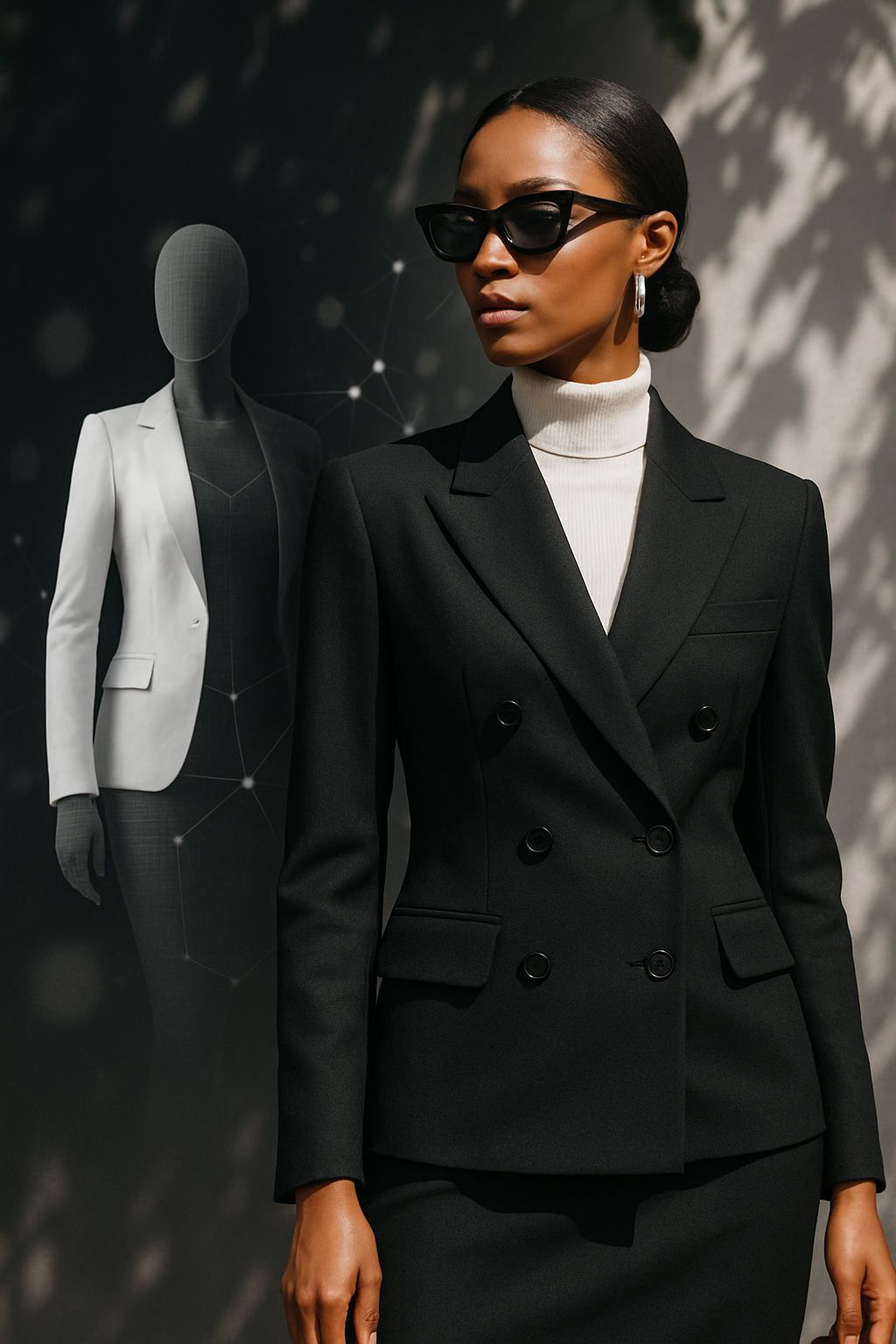
So you’ve mastered your poses, your lighting is perfect, and your virtual try-on videos get views. But views don’t pay the bills. If you want to turn your TikTok or Instagram fashion content into a steady income stream, affiliate marketing through virtual try-ons is one of the most effective paths to monetization. Here’s what works, how to start, and the mistakes to avoid.
What exactly does “monetizing virtual try-ons” mean?
Monetizing your virtual try-ons means earning commission every time a follower clicks on a link and buys something you feature in your content. You’re acting as both a stylist and a personal shopper. Instead of just showing outfits, you’re driving actual product sales through affiliate programs or partnerships.
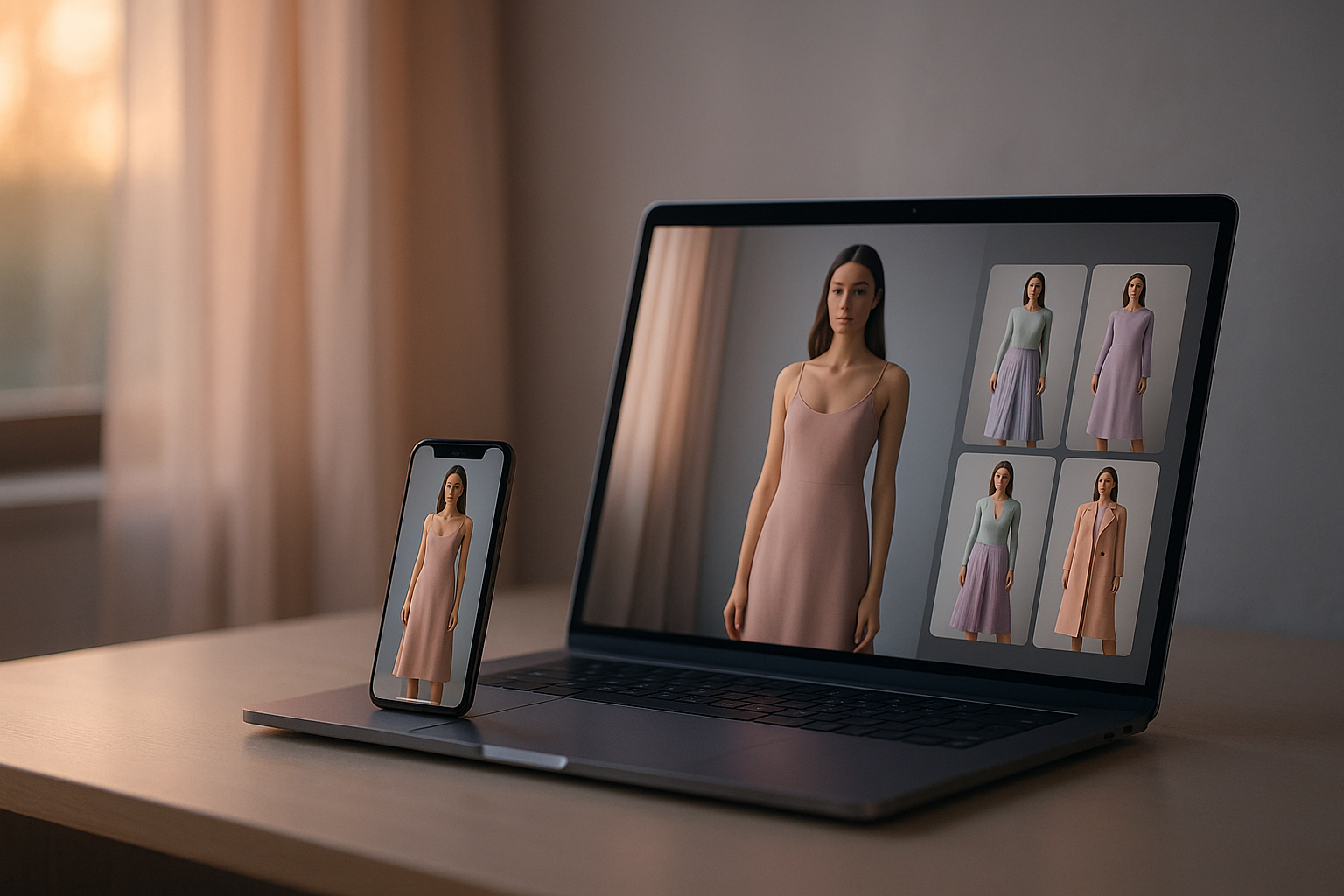
Here’s the idea: you use a virtual try-on app like Tryfits AI to test and showcase outfits realistically on yourself. Then, you link the items in your video or bio using affiliate links. When viewers purchase through those links, you get paid.
 LIVE FITTING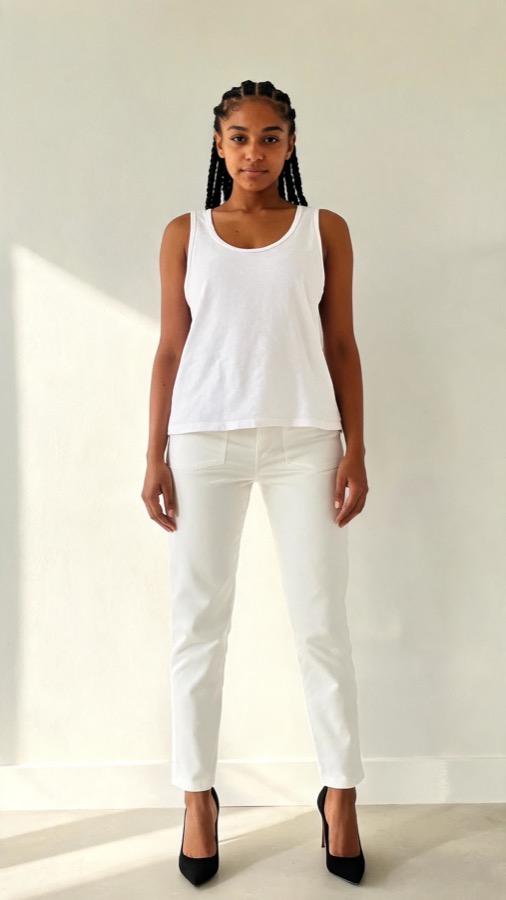

- Example: You post a “Try-On Tuesday” video showing three holiday dresses you “virtually tried on” using Tryfits AI. You add affiliate links to each dress in your caption or TikTok bio. A follower clicks, buys, and you earn 10-20% commission.
- Bottom line: You’re not just an influencer anymore. You’re a digital stylist earning per sale.
How do I get started with affiliate marketing for fashion content?
Getting started is easier than it looks. Here’s the step-by-step process that actually works:
- Join reputable affiliate platforms. Start with programs like LTK, ShopStyle Collective, or Amazon Influencer. If you’re focusing on niche or luxury fashion, look into RewardStyle or individual brand partnerships.
- Pick products that match your aesthetic. Don’t just promote what pays best. Stay consistent with your personal brand. Authenticity sells.
- Use Tryfits AI to create realistic try-on visuals. Instead of buying or returning clothes, you can use Tryfits AI to generate lifelike outfit try-ons from a single photo. This makes your affiliate workflow faster and more efficient.
- Include affiliate links smartly. Use link tools like Linktree, Beacons, or Milkshake to house your affiliate links in one place. Label them clearly.
- Track your performance. Every major affiliate platform provides analytics. Study which types of posts convert best – reels, carousel posts, or short TikTok reviews – and double down on what works.
Pro Tip: Create “lookbook” videos using virtual try-ons. They feel more like personal styling sessions than ads, which improves engagement and conversion.
What kind of content performs best for affiliate monetization?
Different formats work for different audiences, but a few stand out consistently:
- Comparison videos: “I tried three black dresses so you don’t have to.” Use Tryfits AI to virtually try each one and compare fits side-by-side.
- Before-and-after transformations: Show how a basic outfit becomes amazing with a few accessories or a jacket. Mention where viewers can get each piece.
- Mini hauls and capsule wardrobe videos: These perform well because they show versatility. Viewers love seeing how one piece works in multiple outfits.
- Occasion-based styling: “What to wear to a wedding,” “Date-night outfit ideas,” or “Weekend casual looks.” These niche themes drive purchase intent.
- AI-assisted styling sessions: Use Tryfits AI’s “your stylist” assistant for outfit ideas. Record the styling process, showing how AI helps choose and visualize outfits. It feels tech-forward and relatable.
Bottom line: Don’t just post random try-ons. Tell a story, answer a question, or solve a problem with each video. That’s what gets people to buy.
How do I build trust so followers actually buy from my links?
Trust is your currency. Without it, affiliate links mean nothing. Here’s what works:
- Show transparency. Always disclose when you use affiliate links. It builds credibility and is legally required in most countries.
- Be selective. Only recommend products you’d wear yourself. Audiences can sense when something feels forced.
- Provide value first. Educate your audience about fit, sizing, or styling. Don’t just show products, explain why they’re worth buying.
- Engage actively. Reply to comments and DMs. People buy from creators who feel approachable.
- Use real or virtual try-ons consistently. With Tryfits AI, you can maintain content flow without constant shopping. This consistency builds recognition and authority.
Example: A creator who shares daily “Tryfits of the Day” builds credibility through repetition. Followers start to trust their taste and are more likely to click their links.
How can I optimize TikTok and Instagram for affiliate conversions?
Here’s the truth: most creators fail at affiliate marketing because they ignore conversion strategy. Great visuals alone won’t convert. You need structure.
On TikTok:
- Hook in 3 seconds. Start with energy or a statement like “I found the perfect fall jacket using AI.”
- Show results, not process. Keep the visuals fast and high-impact. Use text captions sparingly to guide attention.
- Add a clear CTA. End with “Linked in bio” or “Check the first link.” Keep it natural but direct.
- Use trending audio carefully. Pick sounds that match your aesthetic and don’t overpower your narration.
On Instagram:
- Optimize your bio link. Use a link hub for your affiliate shops. Label it “Shop My Virtual Closet” for clarity.
- Tag products in posts. If your affiliate program allows it, tag shoppable products directly in reels and stories.
- Leverage carousels. Post side-by-side AI try-ons showing different colorways or styles. Add affiliate links in the caption or bio.
- Pin best performers. Keep top converting videos pinned on your profile.
Bottom line: Treat your TikTok and Instagram like digital storefronts. Every video should showcase something shoppable, even subtly.
What tools make affiliate content creation faster and easier?
Time efficiency separates hobbyists from professionals. Here are essential tools that streamline your workflow:


- Tryfits AI: Create ultra-realistic virtual try-ons, get outfit ideas, and show multiple looks instantly without owning the clothes.
- Canva or CapCut: For quick editing and adding captions.
- Notion or Trello: To plan your content calendar and track affiliate performance.
- Link management tools: Linktree, Beacons, or Metricool make it easy to organize your affiliate URLs.
- Analytics dashboards: Use Google Analytics or your affiliate dashboard to track conversions and clicks.
Pro Tip: Batch-produce your content. Record multiple AI try-ons in one sitting using Tryfits AI. This keeps your feed consistent without creative burnout.
How do I scale affiliate income once I start earning?
Once you’ve proven your content converts, it’s time to scale smartly. Here’s how to level up:
- Negotiate higher commissions. Many affiliate programs offer tiered rewards. Once you hit performance milestones, reach out for better rates.
- Expand to new niches. Try home decor or beauty virtual try-ons if they align with your aesthetic.
- Create bundles. Combine outfits into themed sets: “Winter Capsule Wardrobe” or “Date-Night Essentials.” These drive higher basket values.
- Collaborate. Partner with other creators to cross-promote each other’s affiliate looks. It builds reach and trust.
- Invest in ads. Boost your top-converting videos to expand reach and conversions.
Bottom line: Scaling isn’t about posting more, it’s about optimizing what already works. Study your analytics and double down on proven formats.
Frequently Asked Questions
Do I need a big following to earn with affiliate links?
No. Micro-creators (1K-10K followers) often see higher engagement and better conversion rates because their audiences trust them more. Focus on authenticity and consistency over follower count.
How do I make my virtual try-ons look realistic?
Use a high-quality app like Tryfits AI. Its AI engine generates photorealistic try-ons using your photo, lighting, and proportions. It looks authentic and helps your audience visualize real outfits effectively.
Should I use the same affiliate links across platforms?
Yes, but track them separately. Most affiliate programs let you create custom tracking links for each platform so you can see where your sales come from.
What’s the best posting frequency?
Three to five times a week is ideal. Consistency matters more than volume. Schedule AI try-on posts in advance to maintain momentum.
Can I combine sponsored content with affiliate marketing?
Absolutely. Many creators combine brand deals with affiliate links to maximize revenue. Just make sure your disclosures are clear and your recommendations stay honest.
Conclusion: Turn Your Mirror Into a Monetization Machine
Monetizing virtual try-ons is one of the most exciting opportunities in fashion content creation right now. You don’t need a massive wardrobe or budget, just smart tools and strategy. Use Tryfits AI to create seamless try-on experiences, test new looks, and turn your fashion sense into a business.
Ready to see how that outfit looks on you? Try Tryfits AI and start creating shoppable, AI-powered outfit videos today. The next viral post could be the one that pays your rent.