Creator Tips: From Selfies to Sales – How Influencers Are Earning More with AI-Powered Try-Ons
Quick Summary
AI-powered try-ons are transforming how creators monetize their style. This guide breaks down how to turn simple outfit photos into powerful sales tools using virtual try-on technology. You’ll learn the strategies top influencers use, how to integrate tools like Tryfits AI into your content workflow, and proven tips to boost engagement, trust, and income.
Introduction: The New Creator Economy Meets AI Fashion
The influencer landscape is shifting fast. Followers no longer want static selfies or over-filtered outfit shots. They want authenticity, interactivity, and realism. Enter AI-powered virtual try-ons – the tech that lets creators show how clothes actually look in motion, on their own body, without needing to buy or ship items first.
For creators who know how to use it, this isn’t just a new feature. It’s a revenue accelerator. From affiliate links to brand partnerships, AI try-ons bridge the gap between digital content and real-world sales. Here’s how to make it work for you.
 LIVE FITTING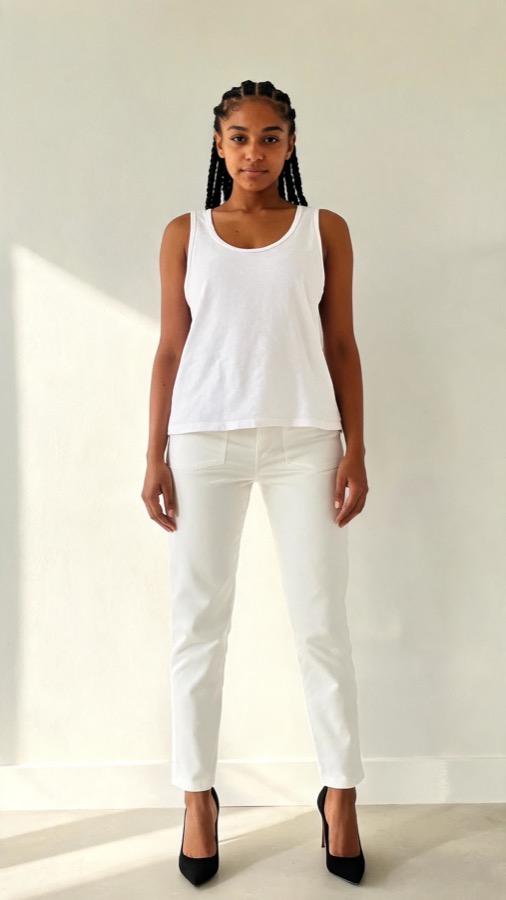

Why AI Try-Ons Are Changing the Game
1. From Static Images to Dynamic, Realistic Try-Ons
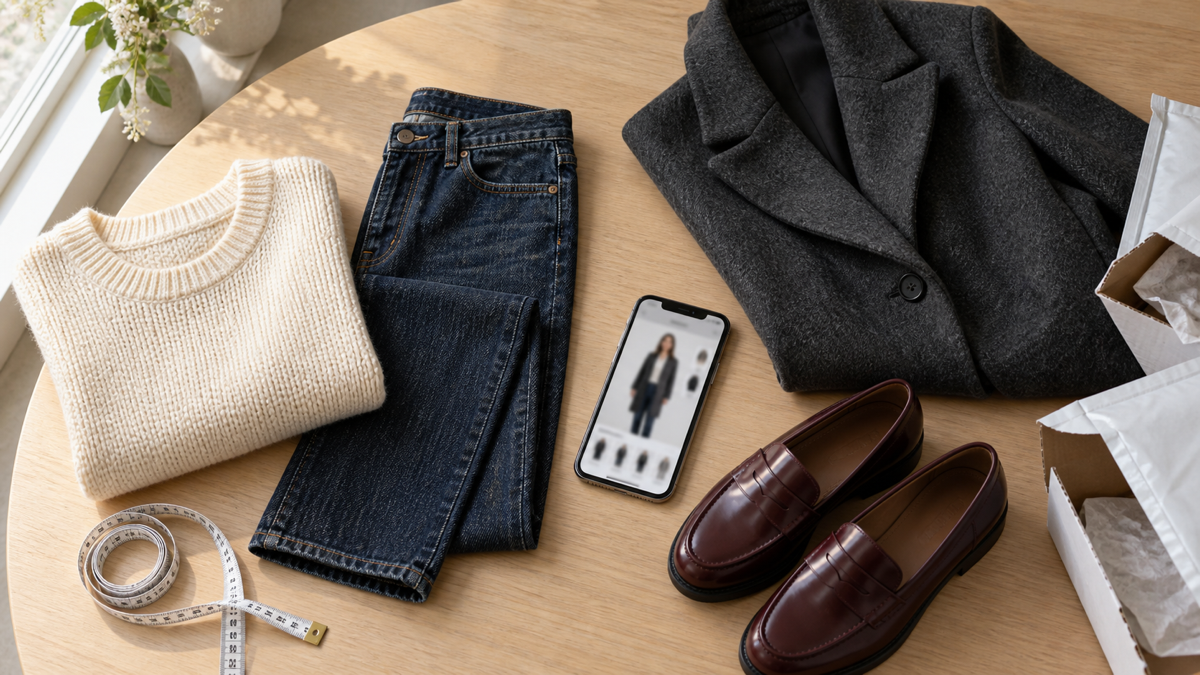
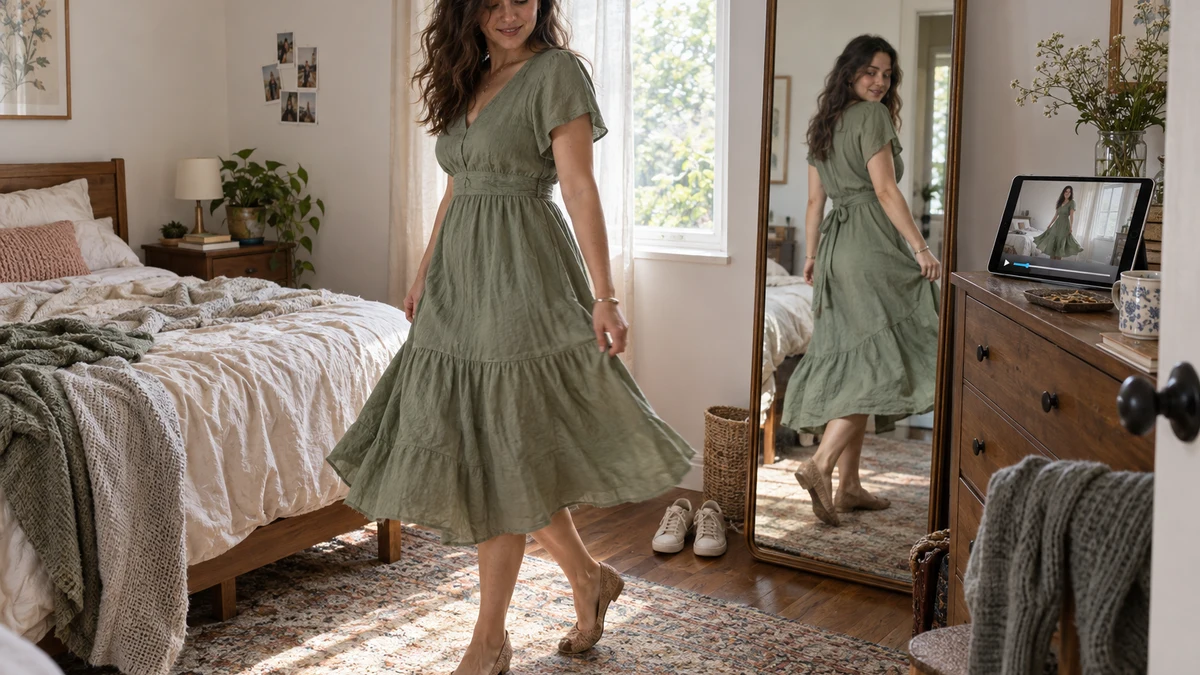
In the past, creators relied on mirror selfies and product tags. Now, with tools like Tryfits AI, you can generate photorealistic try-ons or short clips that show how a jacket drapes, how jeans fit, or how colors pop under light – all from a single uploaded photo.
This realism builds trust. When followers see an outfit realistically fitted to your body type, they’re more likely to buy through your link.
2. Reducing Barriers for Brand Partnerships
Brands are looking for influencers who can produce content faster and more affordably. Virtual try-ons eliminate shipping delays, fit issues, and the cost of sample returns. You can create entire campaign previews within hours.
Bottom line: Less logistics, more creativity, and faster collaboration mean more deals and repeat partnerships.
3. Making Fashion Content More Interactive
AI try-ons invite engagement. Followers love the realism and often comment or ask for similar outfit recommendations. Adding polls like “Which look fits me better?” or “Would you wear this color?” turns passive viewers into active participants, increasing algorithmic reach and engagement rates.
Step-by-Step: How to Turn AI Try-Ons Into Revenue
Step 1: Start with High-Quality Base Images
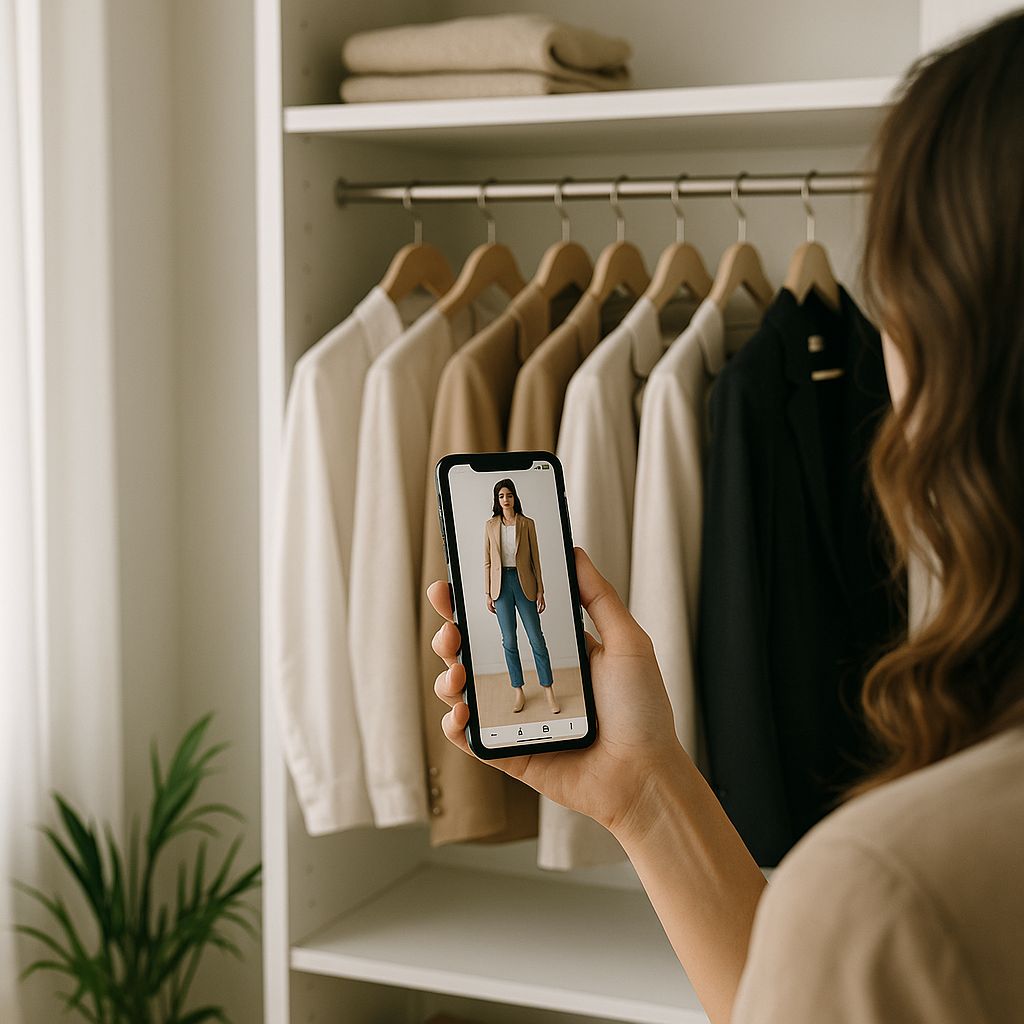
Virtual try-ons only work as well as your source photo. Use natural lighting, neutral backgrounds, and a clear full-body shot. Avoid shadows or clutter that can confuse the AI.
Tip: For the most realistic results, take a standing photo wearing fitted neutral clothing so the AI can accurately map outfits onto your frame.
Step 2: Use a Reliable AI Try-On Tool
Not all AI fashion apps are built equally. Look for platforms that focus on realism and style accuracy. Tryfits AI is one of the most creator-friendly tools available. With it, you can:
- Upload a single image and instantly try on multiple outfits
- Preview clothing from different brands and stores
- Receive AI style advice from your stylist, the built-in virtual stylist
- Generate short-form content ready for Instagram, TikTok, or YouTube Shorts
Step 3: Create “Outfit Try-On” Content Series
Instead of one-off posts, build a series. Examples:
- “Monday Fit Tests”: Show your followers how you’d style a trending piece each week.
- “One Dress, Three Ways”: Demonstrate outfit versatility with AI try-ons before you even own the item.
- “Try Before You Buy”: Compare fits or colors side-by-side and ask followers which they prefer.
This consistency keeps your audience engaged and positions you as a fashion authority.
Step 4: Add Monetization Layers
AI try-ons open multiple income streams:
- Affiliate Marketing: Link the products shown in your AI try-ons. Followers trust what they see in realistic previews.
- Sponsored Try-On Campaigns: Offer brands the ability to showcase their latest collection through your AI-modeled content.
- Digital Styling Services: Monetize your expertise by offering followers AI-powered outfit recommendations for a fee.
Here’s what works best: Combine realism (AI try-ons) with strong calls-to-action like “Shop my look” or “See the outfit on you using Tryfits AI.”
Step 5: Optimize for Engagement and Sales
Don’t just post and hope. Use data. Measure which try-ons get the most clicks, comments, and saves. Then adjust your content plan accordingly.
Bottom line: Track what your audience actually responds to. Your best-performing virtual try-ons reveal not just style preferences, but future brand partnership opportunities.
Advanced Strategies for Experienced Creators
1. Use AI to Predict Trends
AI platforms like Tryfits analyze large amounts of fashion data to identify emerging patterns. Use these insights to post trend-focused content before it peaks. For example, if metallic outerwear starts trending, use AI try-ons to showcase it early.


2. Combine Real and Virtual Content
Mixing AI try-ons with real outfit photos creates authenticity. Show your followers both the AI-generated look and the real-life version. This builds trust and positions you as both tech-savvy and genuine.
3. Collaborate with Brands for Virtual Launches
Offer to create virtual lookbooks or digital previews for upcoming collections. It’s faster than traditional photo shoots and offers brands a cost-effective way to market new drops.
4. Build a Niche Try-On Persona
Whether you specialize in streetwear, minimalist aesthetics, or high-end fashion, use AI try-ons to cement your niche. Consistent styling, realistic visuals, and themed content drive stronger recognition.
5. Leverage AI for Styling Recommendations
Apps like Tryfits AI include built-in AI stylists that can suggest matching accessories or layering options. Use this to refine your outfit content and add professional polish to your recommendations.
Real-World Examples
Case Study 1: The Micro-Influencer Who Tripled Her Affiliate Income
Jessica, a 15K-follower fashion creator, used Tryfits AI to post weekly “virtual try-on hauls.” Instead of waiting for brands to ship items, she previewed pieces digitally. Her posts showed higher engagement, and affiliate sales increased by over 200% within three months.
Case Study 2: The Menswear Creator Building Brand Partnerships
Marcus, a lifestyle YouTuber, started creating virtual lookbooks using AI try-ons to pitch collaborations to brands. His quick turnaround time and professional content led to his first paid campaign with a major retailer.
Case Study 3: The Stylist Who Monetized Consultations
Fashion consultant Lila uses AI try-ons to provide personalized outfit previews for clients. By integrating Tryfits AI into her styling sessions, she streamlined her process, reduced physical samples, and tripled her client base.
Common Mistakes to Avoid
- Using poor-quality selfies: Low lighting or cluttered backgrounds reduce realism and trust.
- Overloading posts with try-ons: Keep it focused. Show one outfit or comparison per post.
- Ignoring fit realism: Always double-check that proportions look natural before posting.
- Skipping captions or CTAs: Tell your audience how to get the look. Don’t assume they’ll know.
- Neglecting analytics: If you’re not tracking what works, you’re leaving money on the table.
Tools and Resources Worth Knowing
Top AI Try-On Platforms
- Tryfits AI: Best for realistic try-ons, personalized AI styling, and content-ready exports.
- Vue.ai: Advanced AI retail visualization for larger brand collaborations.
- Revery AI: Great for brands and designers focused on virtual showrooms.
Supporting Tools
- Canva or CapCut: Edit and brand your AI try-on videos.
- Later or Planoly: Schedule and analyze content performance.
- ShopMy or LTK: Manage affiliate links seamlessly.
FAQ: AI Try-Ons for Influencers
Q1: Are AI try-ons accurate enough for brand collaborations?
Yes, especially with tools like Tryfits AI that use advanced body mapping. Accuracy is sufficient for realistic product representation in campaigns or affiliate content.
Q2: Do I need professional photos to use AI try-ons?
No, but higher-quality photos deliver better results. A clear, well-lit selfie works best for generating realistic outfits.
Q3: Can I use AI try-ons for multiple brands?
Absolutely. You can preview styles across different labels, mix and match outfits, and tag brands directly in your posts for affiliate or sponsored collaborations.
Q4: How can I keep AI-generated content looking authentic?
Combine it with personal commentary or styling advice. Use AI as a visualization tool, not a replacement for your creative input.
Q5: Do followers trust AI try-ons?
When done well, yes. Realistic visuals, transparency about the process, and consistent styling build audience confidence and interest.
Conclusion: Turning Virtual Style Into Real Income
AI-powered try-ons aren’t a passing trend. They’re a shift in how creators connect with audiences and brands. With the right strategy, you can transform basic outfit content into engaging, revenue-generating posts that scale your influence and income.
Here’s what works: focus on realism, consistency, and authenticity. Use AI tools like Tryfits AI to showcase your style faster, collaborate smarter, and turn your digital wardrobe into real profit.
Ready to see how that outfit looks on you? Try Tryfits AI today and start turning your selfies into sales.