
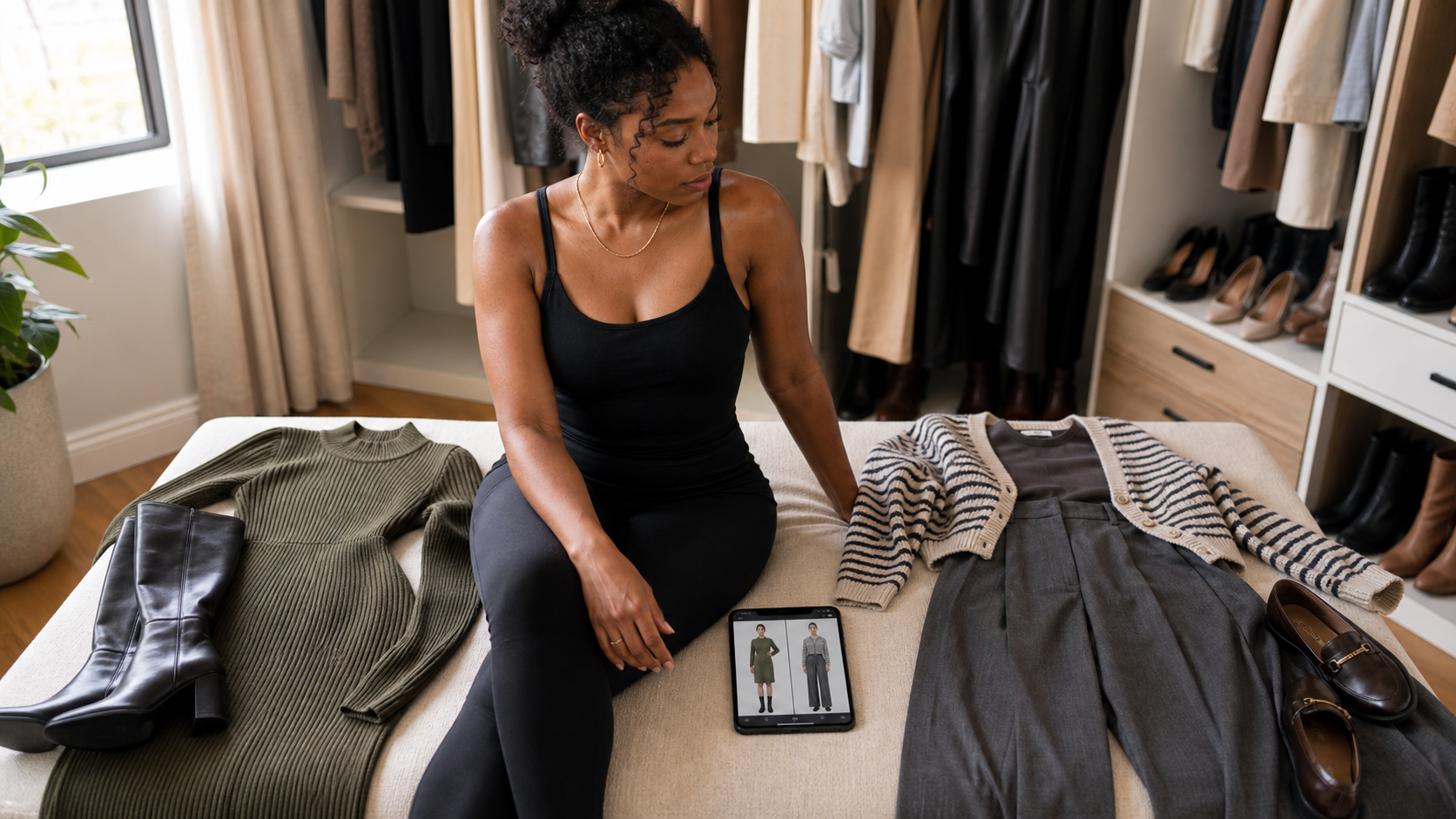
Comparing two outfits online sounds easy until both options look good in different ways. If you are trying to work out how to compare two outfits before buying online, one dress may feel more polished while another outfit looks more wearable. One pair of trousers looks expensive on the model, but the knit dress seems easier for real life. By the time you have six tabs open, the choice is no longer about style. It is about trying to predict fit, color, proportion and cost from photos that were not taken on your body.
This is exactly where AI try-on is useful. Not because it can make the decision for you, but because it turns a vague shopping feeling into something you can actually compare. Instead of asking, “Which one is nicer?”, you can ask better questions: Which outfit works with my height? Which color wakes up my face? Which shape fits the shoes and coats I already own?
The goal is not to buy more. The goal is to make the better buy. If you can see both outfits on yourself before checkout, you are less likely to keep the safer-but-boring option, panic-order two sizes, or convince yourself a trend piece will somehow work because it looked perfect on someone else.
 LIVE FITTING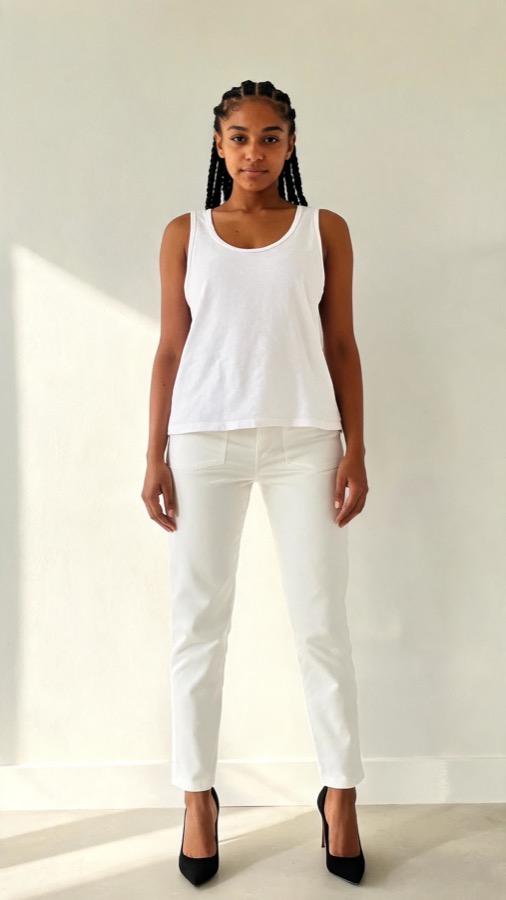

Pick the exact two outfits you are deciding between
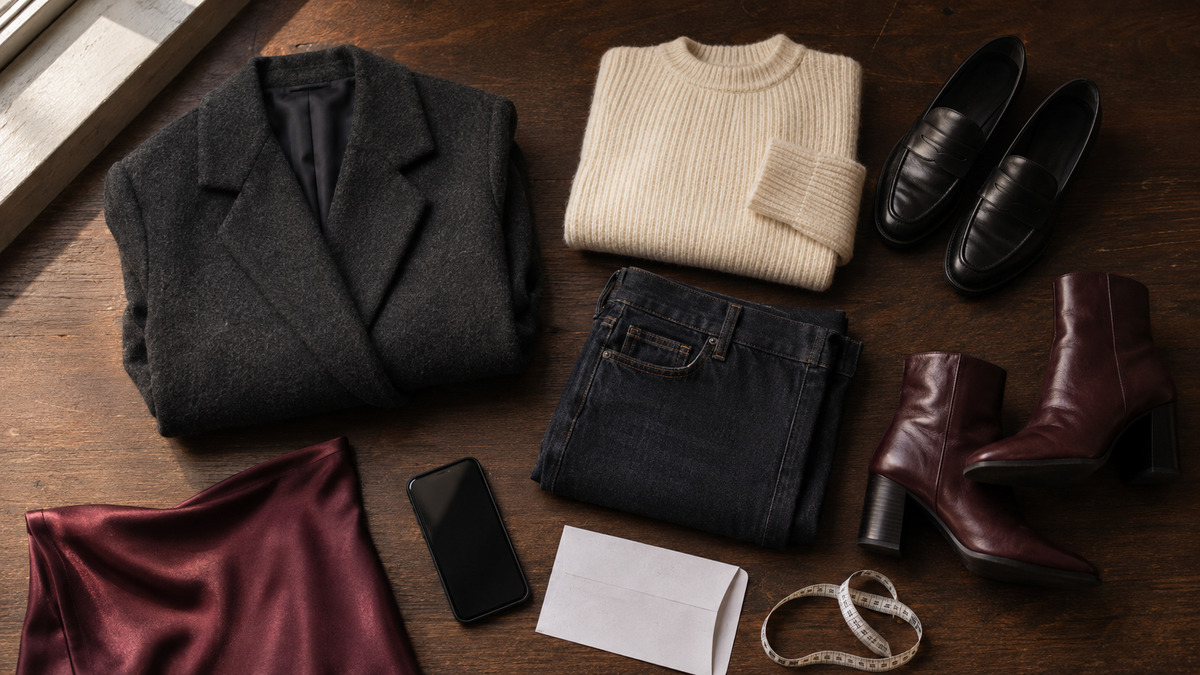
Start with a tight comparison. Do not upload every item you have saved this week. Choose two complete outfits or two versions of the same outfit. For example, compare an olive knit dress with tall black boots against grey wide-leg trousers, a striped cardigan and loafers. Or compare a satin skirt with a fitted knit against dark denim with a suede jacket. The clearer the two options are, the more useful the result becomes.
Try to include shoes and outerwear if those are part of the decision. A dress can look right until the boot shaft cuts the leg at the wrong point. Wide-leg trousers can look sleek until your coat length swallows the line. Shoes, coats and bags change proportion more than shoppers expect, so they should be part of the comparison whenever possible.
If one outfit is already in your closet and the other is something you might buy, compare them too. That is often the smartest use case. The new piece has to earn its place beside what you already wear. If it only wins in a product photo but loses beside your real staples, you have your answer.
Use the same selfie or body reference for both
A fair comparison needs the same base. Use one clear, recent full-body photo in good light, ideally standing straight with your feet visible and your arms relaxed. Avoid mirror angles that tilt the body dramatically or crop off shoes. You are not trying to create a perfect photo. You are trying to give the try-on a steady reference so both outfits are judged under the same conditions.
Use the same reference photo for both outfits. If you compare one look with a bright outdoor photo and another with a dark bedroom mirror photo, you are adding noise to the decision. Lighting, posture and angle can make one outfit seem better even when the clothes are not the reason. Consistency makes the difference between a useful comparison and a mood board.
Pay attention to where the garment meets your body: neckline, waist, hip, hem and shoe. Those points usually decide whether an online outfit feels good in real life. A cardigan that hits at the widest part of the hip may not feel as good as the product photo promised. A knit dress that looked plain on a hanger may suddenly make sense once the boot height and coat length are visible together.
Compare by category, not by overall vibe
Once you have both try-on previews, avoid choosing based on the first emotional reaction. Break the decision into categories. Which outfit has the stronger silhouette? Which color works better near your face? Which one fits your actual week? Which one uses pieces you already own? Which one would need extra purchases before you could wear it properly?
Silhouette comes first because it is the hardest thing to fix after buying. If the trouser rise, jacket length or dress hem feels wrong on you, styling tricks can only do so much. Color comes next. A color can be beautiful and still not do much for you, especially in winter light. Then check practicality: weather, walking distance, office temperature, event setting, bag size and how often you will repeat the outfit.
- Choose the outfit with the cleaner line if both are equally useful.
- Choose the outfit with the better color if the silhouettes are close.
- Choose the outfit that works with your existing shoes and coats if your budget is tight.
- Choose the outfit you can wear in three real situations, not one imagined plan.
This is also where comparison helps with trends. A scarf belt, brooch, leopard flat or oversized jacket may look exciting alone, but it has to work inside your wardrobe. If you are testing outerwear proportions, the same logic from how to style oversized jackets petite applies even if you are not petite: the base layer, shoe shape and hem break can make or break the outfit.


Look for the piece that changes the most
In every outfit comparison, one item usually carries the risk. It might be the trousers, the dress length, the jacket volume or the shoe. Identify that item before you decide. If the risky piece looks good on you in the try-on preview, the rest of the outfit becomes easier. If it looks uncertain, ask whether a smaller styling change could solve the same problem.
For example, if the grey wide-leg trousers are the risk, compare them with a slimmer shoe, a cropped cardigan and a tucked knit. If the olive dress is the risk, compare tall boots with loafers and a long coat. You are not just choosing outfit A or outfit B. You are learning which part of the outfit needs adjusting.
Do not ignore the boring winner. Sometimes the better outfit is the one that looks slightly less dramatic but works with your life. If it fits your coat, your commute, your favorite shoes and your existing bag, it will probably get worn more. The right purchase is often the one that removes doubt without removing personality.
A good AI try-on comparison should leave you with fewer questions: better color, better proportion, better repeat value, or a clear reason to skip both.
Make the final checkout decision
Before you buy, write down why the winning outfit wins. “The grey trousers make more outfits” is a stronger reason than “I like them.” “The knit dress works with my black boots and winter coat” is stronger than “It looks cute.” A clear reason stops you from second-guessing when the parcel arrives.
Also decide what would make you return it. If the trousers only work at one exact heel height, that is useful to know. If the dress needs a belt, different bra, new boots and a longer coat, it may be asking too much. The try-on preview is a decision tool, but the final question is still practical: will this piece become part of your real wardrobe?
If both outfits still feel close, choose the one with the lower styling burden. Online shopping already adds enough guesswork. The best buy is the one that gets worn soon, with pieces you already understand, in a shape and color you have seen on yourself.
Common questions
How do I compare two outfits before buying online?
Use the same full-body photo for both outfits, include shoes and outerwear if they matter, then compare silhouette, color, practicality and repeat value. Do not judge only by which product photo looks better.
Can AI try-on help me choose between two sizes?
AI try-on can help you visualize shape and proportion, but it should not replace the store size chart, fabric notes or return policy. Use it to spot styling and silhouette issues, then check measurements before ordering.
What should I look at first in an AI outfit comparison?
Look first at the silhouette: neckline, waist, hip, hem and shoe break. Those details decide whether the outfit feels balanced on your body. After that, compare color, comfort, weather and how often you would wear it.
4 thoughts on “How to Compare Two Outfits Before Buying Online”