Deciding what to wear to a Christmas ball starts with the invitation: a black tie evening calls for a formal evening dress or appropriate evening tailoring, while a dinner dance without a formal dress code allows a dressy midi. Add secure shoes, outerwear that fits over your outfit and one deliberate festive detail. For an event around 19 December 2026, now is a useful time to check alterations and test your shoes.
The most useful way to choose your outfit is to plan for the seated dinner and the dancing together. A dress can look beautiful standing still yet feel restrictive across the lap. Wide trousers might hang perfectly barefoot but catch beneath the shoes you actually intend to wear.
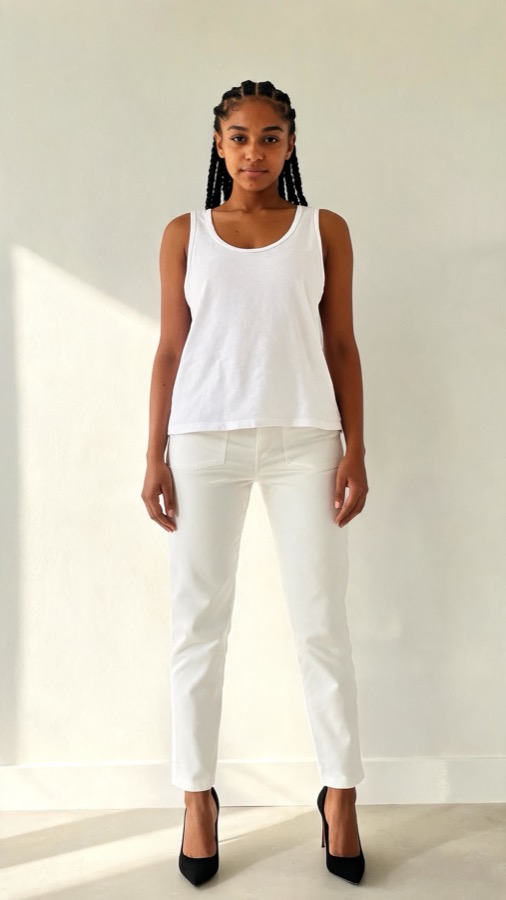
Before buying, compare two complete silhouettes on yourself: perhaps a column dress with a long coat against fluid evening trousers with a fitted jacket. Include the shoes in that comparison. A virtual try-on can help you judge the visual balance, but you still need a physical check for movement, comfort and secure fastenings.
 LIVE FITTING

Read the dress code before choosing the sparkle
A Christmas ball is not automatically a sequin occasion, and the word “ball” alone does not establish the rules. Read the booking page and invitation for explicit wording, then ask the organiser if anything remains unclear. A hotel ballroom gives you context, not a substitute for a dress code.
For black tie, a floor-length evening dress is a dependable choice; a sophisticated midi may also be appropriate, depending on the event. A tuxedo is the conventional tailoring option. If you prefer a different evening trouser outfit, confirm that it meets the organiser’s expectations rather than assuming a standard work suit will do.
For a less formal festive dinner dance, choose a velvet midi, satin skirt with an evening top, or tailored trousers with a silk blouse. White tie requires a different level of formality, so follow specific guidance if those words appear. Avoid using a general Christmas party outfit as your reference.
Choose an outfit that works at the dinner table
A velvet column dress with room to move
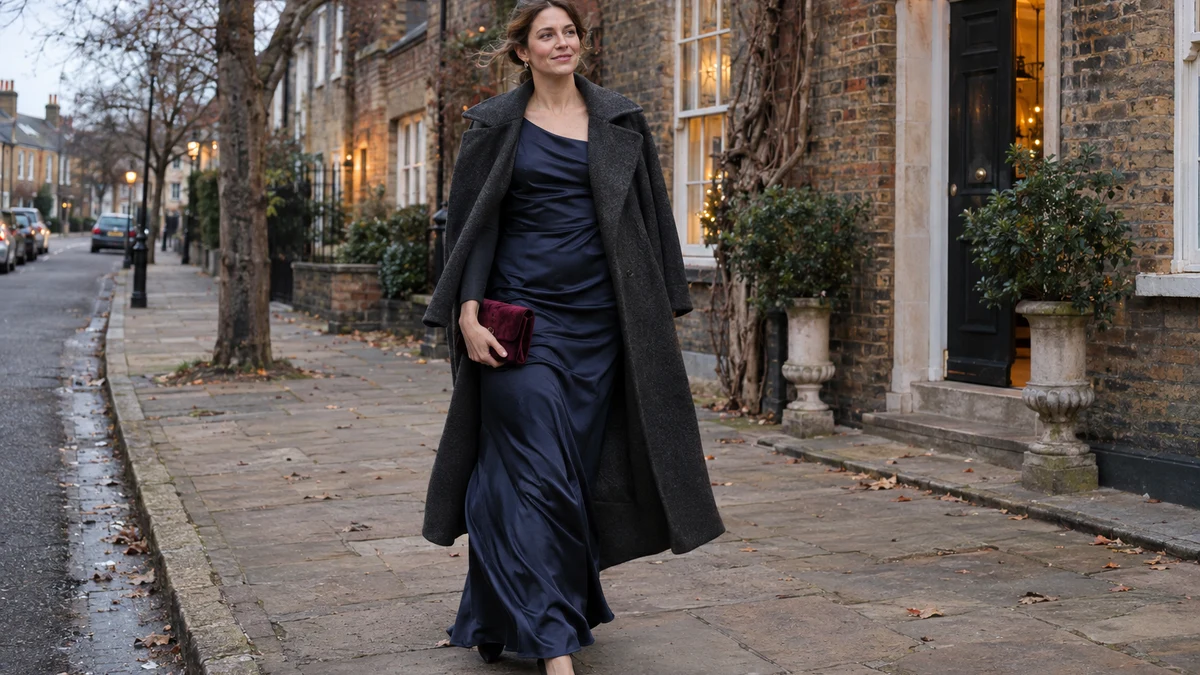
Try a deep navy velvet column dress with a back vent, black closed-toe shoes and small crystal earrings. A lightly shaped cut gives the fabric room to fall rather than stretching it tightly across the body. For black tie, choose a floor-length version without a trailing train.
Sit down before committing. Check whether the neckline stays where you want it, the waist feels comfortable and the skirt allows a normal stride. Velvet offers rich surface texture without requiring extra embellishment, although its weight and warmth vary with the fabric and lining.
Evening trousers with a silk blouse
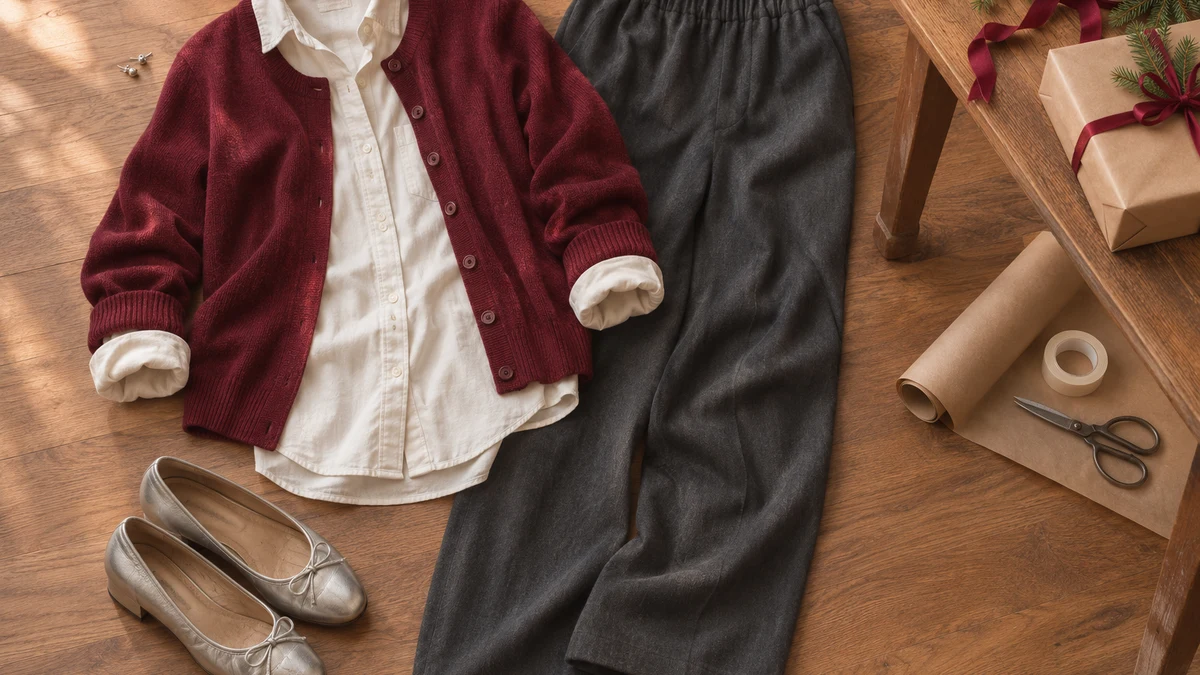
For a dinner dance that permits dressy separates, combine black wool crepe trousers, an ivory silk blouse and a black velvet jacket. Choose a blouse with a clean neckline or softly gathered shoulder rather than bulky cuffs that drag near plates. Add a small gold bag for a warmer accent.
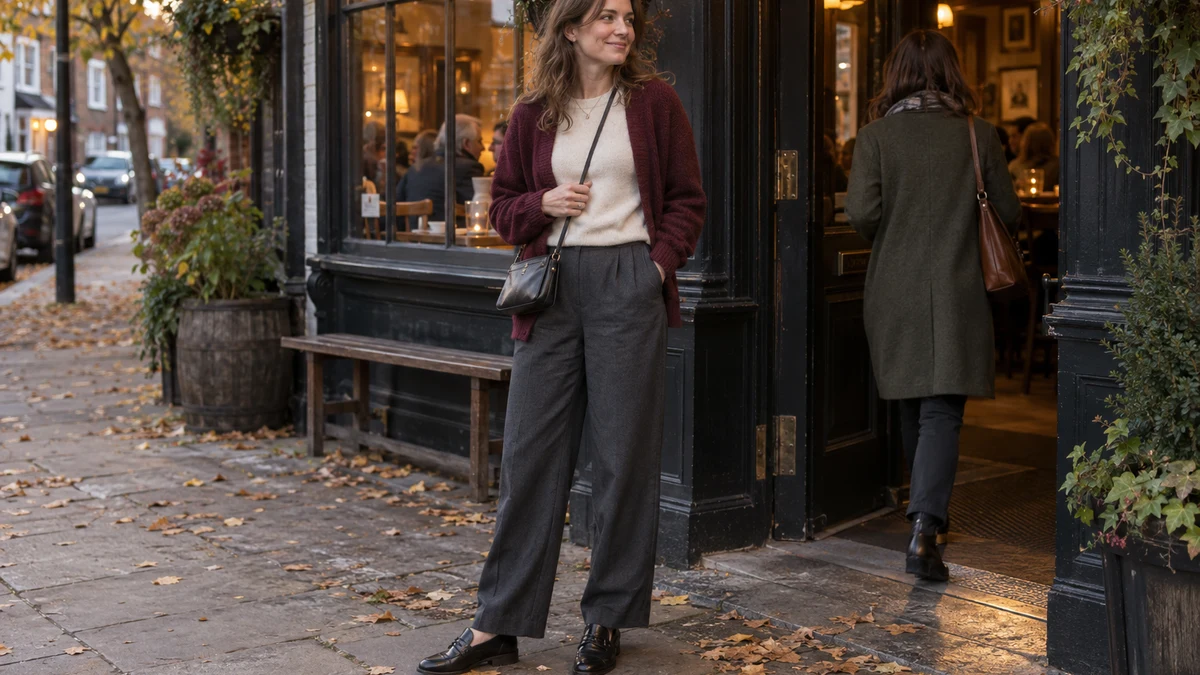
Keep the trouser hem clear of the floor in your chosen shoes. If the trousers are generous through the leg, compare a waist-length jacket with a longer, straighter one before deciding. Our guide to wearing a long coat with wide leg trousers can help you assess the outdoor proportions too.
A satin midi for a less formal ball
A pewter satin midi skirt with a fitted black fine-knit top works well when the invitation says festive or cocktail attire rather than strict black tie. Add sheer black tights and leather pumps with a secure strap. The contrast between the matte knit and reflective skirt supplies enough interest without a sequinned jacket.
Check satin under bright indoor light as well as daylight: thin fabric can reveal underwear edges or become more transparent than expected. A lining or suitable slip may help. If the skirt twists while walking, try another size or cut rather than repeatedly adjusting it throughout dinner.
Use current partywear ideas selectively
In its 10 November 2026 coverage of Zara’s holiday collection, Marie Claire identified a nostalgic, 1990s supermodel approach to party dressing. That offers a useful reference for this occasion: clean evening shapes and restrained styling are an alternative to covering every part of an outfit in sparkle. It does not mean buying a particular collection.


Translate that direction with a square-neck black dress, a narrow evening bag and one substantial pair of earrings. Alternatively, make sapphire velvet the focus and keep your accessories quiet. Choose a colour you enjoy seeing near your face, rather than treating red and green as compulsory Christmas colours.
If sparkle is your preference, put it where it will not interfere with the evening. An embellished bag is easier to remove than a heavily beaded sleeve that catches on upholstery. Check earrings against scarves and coat collars, and avoid loose glitter that transfers to your outerwear.
Plan shoes and outerwear around the journey
For a northern-hemisphere winter event, build the journey into your outfit decision. A long wool coat works for a short, dry transfer, but persistent rain may require a weather-resistant outer layer. Neither a velvet jacket nor an evening wrap should be your only protection while waiting outside.
Leave enough room through the coat’s shoulders for your evening sleeves. Fasten it and reach forward: a fitted coat can compress a jacket or pull across a structured dress. Carry gloves separately from delicate jewellery, and check whether the venue offers a cloakroom before relying on one.
Choose dancing shoes by how securely they hold your feet, not by heel height alone. A low block heel, enclosed flat or modest pump with a strap can all work with evening clothes. Smooth soles may slide on polished floors, so test your pair on a comparable surface without assuming any sole guarantees grip.
If the route involves wet pavements, travel in practical boots and change indoors. Protect evening shoes in a separate bag, especially satin pairs. In a warm-weather destination, replace heavy velvet with lined crepe and choose lighter outerwear appropriate to the forecast.
Check the complete outfit before the evening
TryFits AI can help you compare the appearance of a dress and trouser option on your own body before narrowing your shortlist. Use that visual comparison to decide which neckline, jacket length or colour combination you prefer. Do not treat a generated image as proof of exact sizing, fabric opacity or dancing comfort.
Finish with an at-home rehearsal in the actual clothes. Sit for several minutes, climb stairs and lift your arms. Check fastening access if you choose a jumpsuit, then pack only the essentials that fit comfortably in your evening bag.
Common questions
Can you wear a short dress to a Christmas ball?
For a cocktail or informal dinner dance, a dressy short dress may be suitable. For black tie, a floor-length dress is the safer choice. Ask the organiser before choosing a mini when the invitation simply says “ball”.
Can you wear trousers to a Christmas ball?
Yes, provided they meet the dress code. Velvet trousers or wool crepe separates work for many festive dinner dances. For strict black tie, choose appropriate formal evening tailoring or confirm your proposed outfit with the organiser.
What coat should you wear over a ball dress?
Choose a coat that accommodates the dress without crushing its sleeves or pulling across the bodice. A long wool coat suits a cold, dry journey. For rain, prioritise weather protection and keep the dress hem off wet ground.