What is Predictive Fashion, and Why Is It Changing Everything?
Imagine knowing what the next season’s must-have trend will be before it ever hits the runway. Predictive fashion, powered by artificial intelligence and machine learning, is making that possible. It’s not magic, it’s math meeting creativity. By analyzing millions of data points – from search trends and social media posts to retail sales and street style photos – AI can identify emerging fashion patterns before they go mainstream.
Think of it as a crystal ball for style. Instead of relying solely on intuition or fashion week forecasts, designers and brands can now see what people are wearing, liking, and sharing in real time. This shift means fewer misses and more meaningful designs that resonate with actual demand.
 LIVE FITTING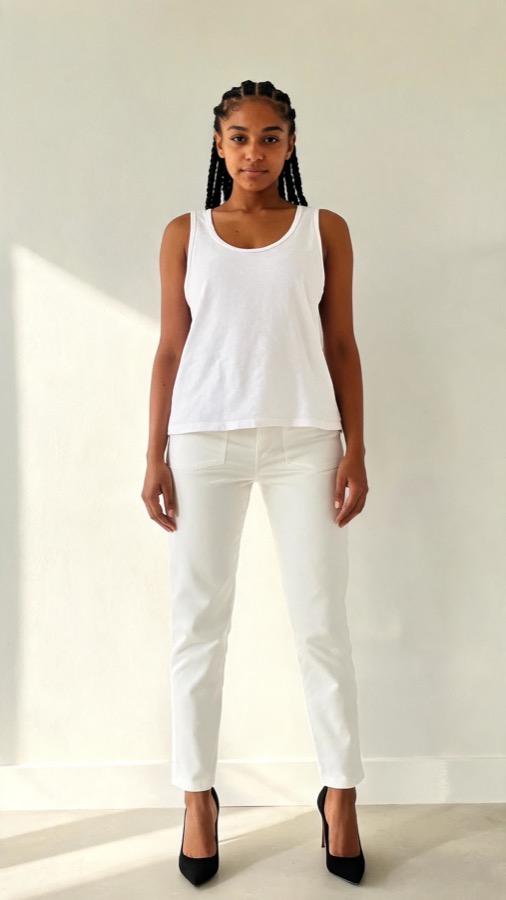

For example, companies like Zara and H&M already use predictive analytics to decide what styles to stock and in what quantities. Meanwhile, AI tools scan Instagram images, Pinterest boards, and even TikTok videos to pick up on color palettes, silhouettes, and fabric types gaining traction. The result? Faster, smarter design decisions that meet the market exactly where it’s heading.
How Does AI Actually Predict Fashion Trends?
Machine learning algorithms learn by looking at data patterns – but in fashion, the data is visual, cultural, and fast-moving. To predict what will trend next, AI systems analyze multiple layers of information:
- Visual Recognition: AI models scan thousands of outfit photos daily from social media and fashion platforms to detect recurring patterns, such as color dominance or popular cuts.
- Sentiment Analysis: Natural language processing (NLP) reads through captions, comments, and reviews to understand how people feel about certain looks.
- Sales and Search Data: Retailers share purchase trends and keyword searches that show what shoppers are actively seeking.
When all this data converges, the AI can project what’s gaining momentum and what’s fading. Imagine spotting the rise of “coastal grandmother” chic or “quiet luxury” six months before everyone else. That’s the power of predictive fashion analytics.
One striking example is Edited, a retail data company whose AI tools track global apparel trends across thousands of brands. They’ve accurately forecasted color surges like sage green in 2021 and metallic fabrics for 2023 – long before they hit mass retail.
What Are Some Real-World Examples of Predictive Fashion in Action?
Let’s bring this to life. Predictive AI isn’t just for tech giants. It’s already shaping decisions from luxury houses to small boutique designers:
- Stitch Fix: Uses machine learning to analyze feedback from millions of customers. Its AI recommends styles that fit both personal taste and upcoming fashion trends.
- Google and Zalando: Collaborated on an AI project to predict what color palettes would dominate European streetwear months before the season began. Their findings helped shape inventory and marketing strategy.
- Tommy Hilfiger and IBM: Partnered with the Fashion Institute of Technology to use AI in analyzing real-time fashion data, leading to a capsule collection that reflected predictive insights about upcoming consumer preferences.
These examples show how predictive AI bridges the gap between creativity and commerce. It empowers designers to innovate confidently and helps shoppers find what they love faster.
How Can Shoppers Benefit from Predictive Style Technology?
You don’t have to be a designer to enjoy predictive fashion. Everyday shoppers are already experiencing the benefits without even realizing it. Have you ever noticed that your favorite online store seems to know exactly what you’ll love next season? That’s predictive AI working behind the scenes.
Imagine opening an app and being shown outfits you’ll want to wear months before they become popular. Or picture being able to virtually try on trending pieces to see how they’d look on you before anyone else is even talking about them. You’re no longer reacting to trends – you’re ahead of them.
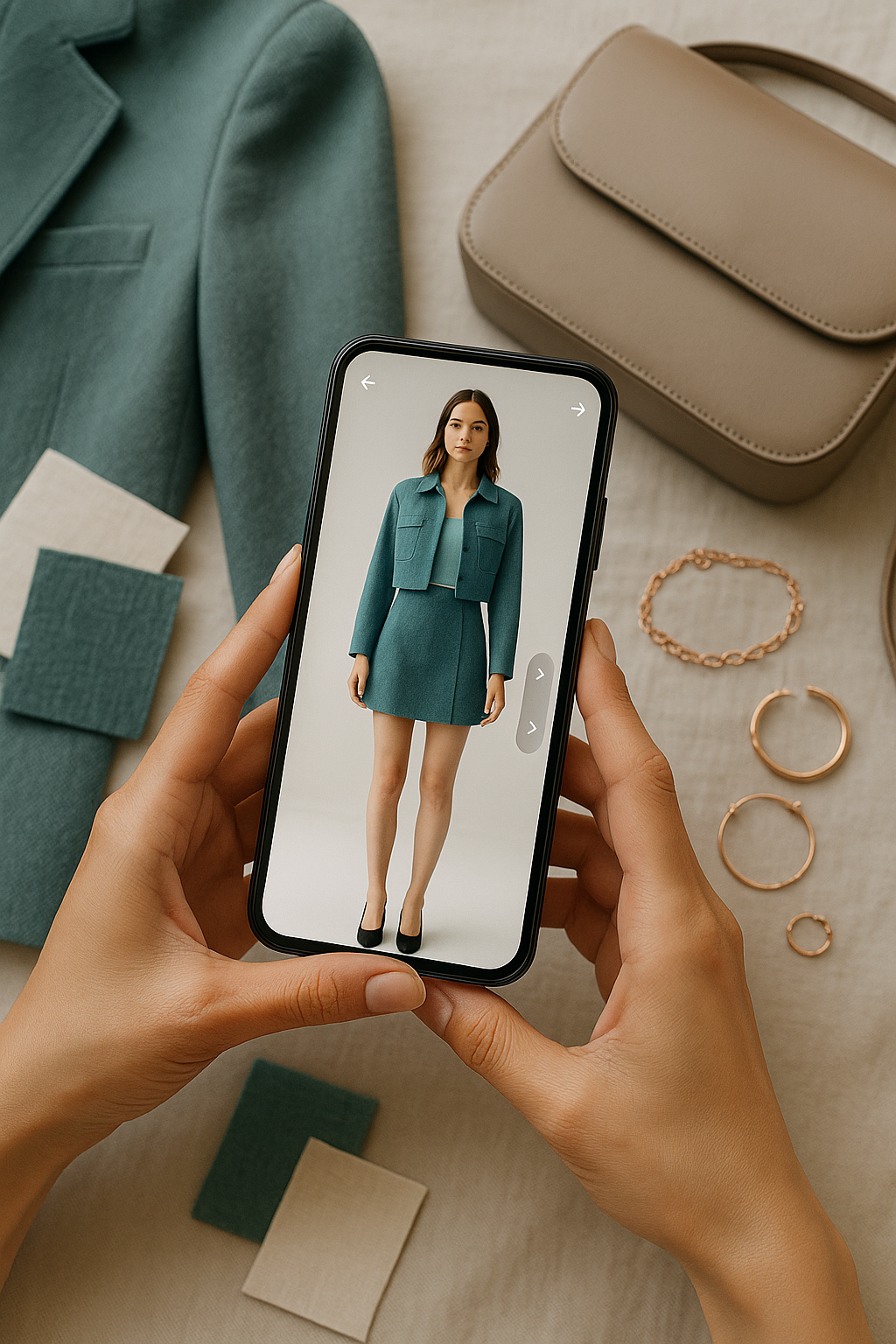
That’s where tools like Tryfits AI come in. Using cutting-edge AI, Tryfits lets you upload a photo and see realistic virtual try-ons. But it doesn’t stop there. The app also uses predictive insights to recommend styles and outfits that align with your taste and what’s trending globally. It’s like having a personal stylist who can see the future of fashion.
What Are the Benefits for Designers and Brands?
For designers, predictive fashion isn’t about replacing creativity – it’s about enhancing it. AI provides insights that guide inspiration, not dictate it. Imagine designing with confidence, knowing your collection will connect emotionally and commercially with your audience.
- Reduced Waste: By predicting demand more accurately, brands can produce fewer unsold items, contributing to sustainable fashion practices.
- Smarter Inventory Planning: Retailers can stock the right pieces in the right quantities, minimizing markdowns.
- Deeper Customer Insights: Understanding what consumers want before they even articulate it creates stronger loyalty and engagement.
Take Levi’s for example. Their AI-driven design process identifies which denim cuts and washes are trending, allowing them to produce just enough of what customers will actually buy. That’s sustainability in action, guided by smart prediction rather than mass production.


Can Predictive AI Replace Traditional Trend Forecasting?
Traditional trend forecasting relied heavily on expert intuition, global fashion week observations, and cultural analysis. Those elements still matter. But predictive AI offers something new: speed and scale. Human forecasters might study hundreds of looks. AI can analyze millions in minutes.
However, it’s not an either-or situation. The most powerful results come from combining human creativity with machine precision. Trend forecasters today often use AI as a foundation, then apply human insight to interpret meaning, emotion, and cultural context. After all, fashion isn’t just data – it’s art, identity, and storytelling.
Imagine a world where designers and AI collaborate. The designer dreams up ideas inspired by human experience, while AI refines those ideas with real-world data to make them resonate even more. That’s not competition – that’s evolution.
How Can You Leverage Predictive Fashion in Your Own Style?
Here’s the exciting part: predictive fashion isn’t just for industry insiders. You can use it to level up your personal style too.
- Follow AI-Powered Fashion Apps: Use platforms like Tryfits AI to explore emerging styles and virtually try them on before buying. You’ll get a sense of what’s trending and what suits you personally.
- Pay Attention to Search Trends: Tools like Google Trends reveal what fashion terms are spiking. Search “denim skirt” or “leather trench” and see where interest is rising.
- Use Social Media Intentionally: Save and pin outfits you love. The more data you give algorithms, the better they’ll get at predicting what you’ll want next.
- Experiment Early: Don’t wait for everyone else to wear it. If AI predicts it’s trending, try it now. You could become the trendsetter instead of the follower.
You’re capable of creating a wardrobe that feels future-proof. By aligning your intuition with AI insights, you’ll make smarter, more inspired fashion choices every season.
What’s Next for Predictive Style and AI Fashion?
The future of predictive fashion is hyper-personalized. Soon, your wardrobe app might not just suggest what’s trending globally but what will look best on you specifically – based on your body type, mood, and even upcoming events. Picture receiving a notification that says: “This color will be huge next month, and it complements your skin tone perfectly.”
AI will also increasingly merge digital and physical fashion. Virtual try-ons will sync seamlessly with real-world purchases. You’ll be able to test-drive trends in augmented reality before investing in them for real. The result? Less waste, more creativity, and ultimate self-expression.
Fashion will no longer chase trends; it will anticipate them. And you’ll be part of that movement.
Conclusion: The Future Belongs to the Visionaries
Predictive fashion is more than technology – it’s empowerment. It allows you to dress with foresight, design with confidence, and shop with purpose. By understanding how machine learning spots trends before they happen, you become part of fashion’s evolution instead of simply following it.
So imagine this: You open your favorite style app, upload a photo, and see next season’s looks styled perfectly on you. No more guessing. No more waiting. Just pure creative alignment between who you are and where fashion is going.
Ready to see how that outfit looks on you before it even trends? Tryfits AI can help you visualize your future style today. It’s time to step confidently into tomorrow’s fashion world – one predictive look at a time.