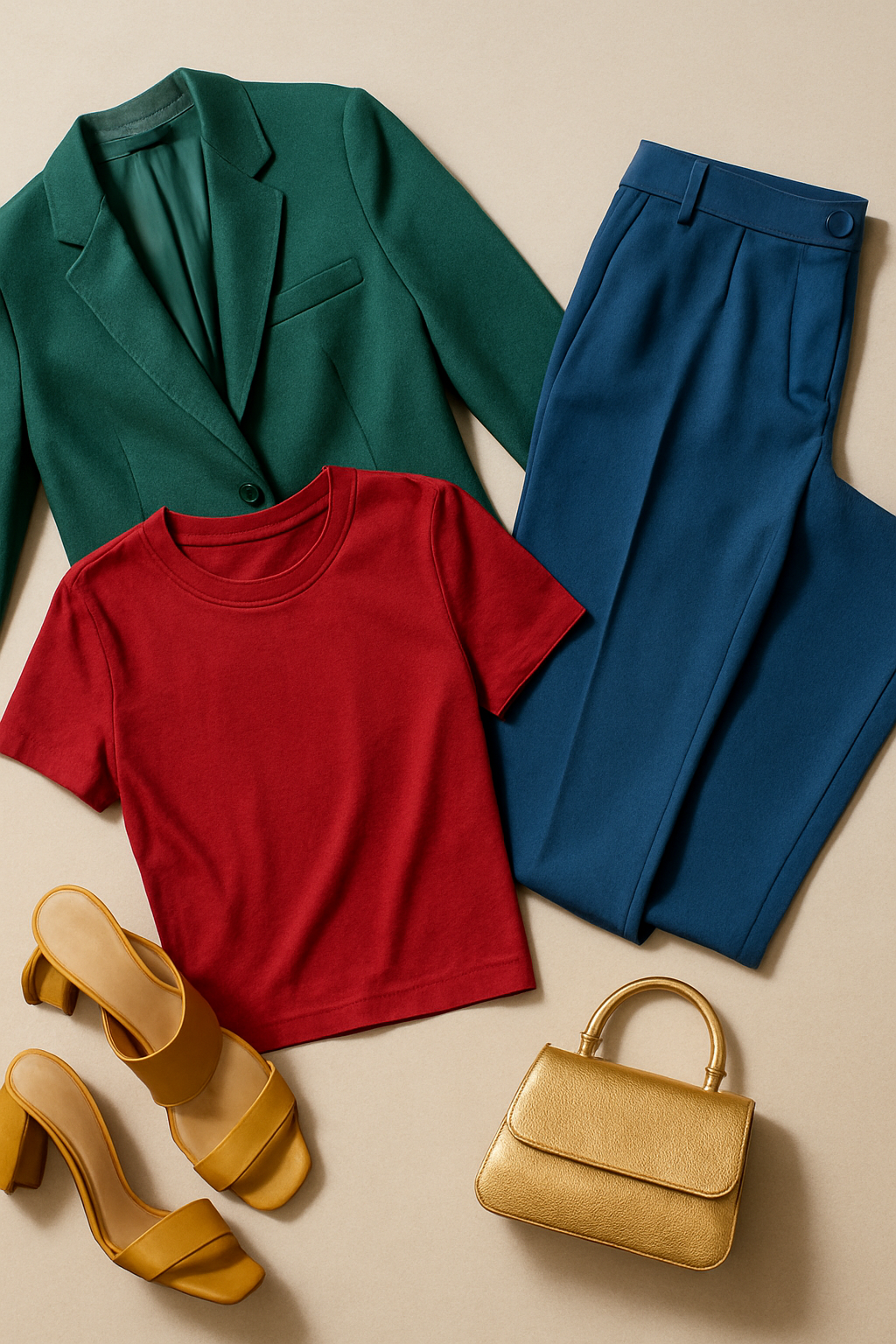
Digital fashion is no longer a niche curiosity – it’s a full-blown cultural revolution! Gen-Z, the most tech-savvy and creative generation yet, has transformed how the world experiences clothing, style, and identity online. From avatars in virtual worlds to AI-powered try-ons, fashion is expanding beyond fabric into pixels, personality, and pure imagination. You’re going to love how this movement is redefining self-expression, sustainability, and the future of fashion!
Let’s dive into how Gen-Z did it and what brands can learn from this thrilling transformation!
1. From Filters to Fashion: How Gen-Z Made Digital Style Mainstream
It started with social media filters and evolved into full-blown digital fashion houses. Gen-Z has always viewed their digital presence as an extension of themselves. On platforms like Instagram, TikTok, and Roblox, what you wear online can be just as important as what you wear in real life. Virtual outfits, AR filters, and customizable avatars have become powerful tools for self-expression.
 LIVE FITTING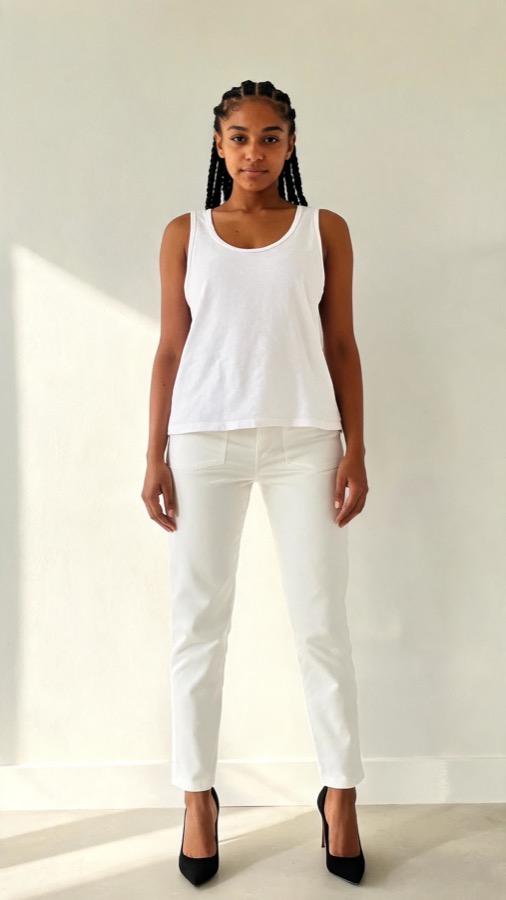

Instead of waiting for big fashion houses to catch up, Gen-Z started experimenting with their own looks using technology. They embraced 3D design tools and augmented reality to try on digital garments that defy physics and reality. And the best part? There’s no need for shipping, waste, or wardrobe clutter!
Pro Tip:
Want to join in? Try creating or styling digital outfits using virtual try-on tools like Tryfits AI. It lets you upload your photo and see how real outfits look on you – instantly! It’s perfect for testing new aesthetics without buying before you’re sure.
2. Sustainability Meets Self-Expression: The Eco-Chic Revolution
Gen-Z has redefined what it means to be fashionable and eco-conscious at the same time. For this generation, digital fashion is the ultimate sustainable choice. Instead of buying dozens of physical outfits for social media content, they’re investing in virtual clothing drops, NFTs, and try-on experiences that leave zero environmental footprint.
Digital-only brands like The Fabricant and DressX are proving that style doesn’t need to exist physically to make an impact. By reducing textile waste and carbon emissions, these virtual collections are both a creative outlet and a climate statement.
Brands can learn from this by merging style with responsibility. Offering virtual samples, AR previews, and digital collections not only saves money but shows alignment with Gen-Z’s eco-values. And that’s something worth flexing online!
Expert Insight:
According to fashion analysts, over 60% of Gen-Z shoppers say sustainability influences their buying decisions. Integrating digital fashion elements or virtual try-ons like Tryfits AI can dramatically reduce product returns and waste – a win for both planet and profit!
3. Avatars, Identity, and the Rise of the “Second Self”
Gen-Z is redefining identity through digital fashion. Whether it’s in Roblox, Fortnite, or metaverse-style platforms, clothing has become a digital signature – a way to express who you are and who you want to be. This concept of the “second self” blurs the lines between physical and digital style, giving everyone freedom to reinvent themselves endlessly.
Virtual fashion allows experimentation without judgment or limits. Want neon cyberpunk armor one day and minimalist chic the next? Done. Gen-Z doesn’t see digital fashion as separate from reality, but as a complement to it – a way to explore identity safely and creatively.
Brands that understand this psychological connection are thriving. Gucci, Balenciaga, and Nike have all launched digital collections or partnered with gaming platforms. The message is clear: fashion now lives wherever people express themselves – even in pixels.
4. The Creator Economy Meets Virtual Couture
This is where things get really exciting! Gen-Z isn’t waiting for the industry to hand them opportunities – they’re building their own. Digital creators are designing, modeling, and selling virtual outfits across platforms like Instagram, Roblox, and Zepeto. What used to take massive production budgets can now be achieved with a laptop and creativity.
These young creators are not just trend followers – they’re trendsetters. By merging 3D modeling, AR effects, and fashion storytelling, they’ve opened new career paths that didn’t exist five years ago. And the demand for digital garments? It’s booming!
For brands, the takeaway is simple: collaborate with these innovators, not just advertise to them. Partnering with digital fashion creators gives your brand authenticity and relevance in spaces where Gen-Z already lives and thrives.


Pro Tip:
Encourage your brand’s community to create digital fashion content! Hosting AR challenges or virtual try-on contests using tools like Tryfits AI is a powerful way to boost engagement while letting fans showcase your products in new, creative ways.
5. Try-Ons Go Virtual: How Tech Is Transforming Online Shopping
One of the biggest shifts driving digital fashion is AI-powered virtual try-on technology. Forget guessing if that jacket fits or wondering how those jeans will look. With apps like Tryfits AI, users can see a realistic version of themselves wearing the outfit before they buy – no fitting room required!
This innovation bridges the gap between the digital and physical worlds, giving shoppers confidence and reducing returns. It’s not just convenient – it’s empowering. Shoppers can explore bold looks, experiment with styles, and make decisions based on real visual feedback.
Brands that integrate virtual try-on experiences are creating more personalized and immersive journeys. Gen-Z expects interactive shopping, and these tools deliver exactly that – fashion that feels tailored, instant, and exciting!
Expert Insight:
Studies show that virtual try-ons can increase conversion rates by up to 250%! Integrating technology like Tryfits AI is not just trendy – it’s a strategic advantage that can redefine customer experience and loyalty.
6. Digital Fashion as Social Currency
Here’s the exciting part – digital fashion isn’t just about what you wear, it’s about what it represents. For Gen-Z, owning or wearing digital garments signals creativity, individuality, and status in online communities. Whether it’s limited-edition NFT fashion or exclusive AR filters, digital style has become a new kind of social capital.
Wearing a rare digital item is the online equivalent of showing up in couture. These limited drops and collaborations create hype and exclusivity – two things Gen-Z loves. They’re not just buying fashion; they’re investing in experiences and identities that can be shared, liked, and celebrated online.
Brands that treat digital collections as cultural moments – rather than just marketing gimmicks – are winning big. By crafting stories around their virtual releases, they’re giving fans a reason to engage emotionally and share virally.
7. What Brands Can Learn (and Do Right Now)
So what can brands learn from this movement? Plenty! The digital fashion revolution is not a passing trend – it’s a long-term evolution of how people relate to style, technology, and identity. Brands that adapt early will lead the way.
- Embrace inclusivity: Offer digital experiences that reflect diverse body types, cultures, and aesthetics. Gen-Z values authenticity above all.
- Blend physical and digital: Combine virtual try-ons with real product offerings for a seamless experience.
- Empower creators: Collaborate with Gen-Z designers and influencers to co-create collections or campaigns.
- Prioritize transparency: Share how digital tools reduce waste and improve sustainability – it matters to your audience.
- Stay playful and innovative: Fashion is about experimentation. Use AR, AI, and gamification to keep experiences fresh and fun!
Conclusion: The Future of Fashion Is Digital – And It’s Just Getting Started
Gen-Z didn’t just adopt digital fashion – they built a global movement around it! They’ve shown the world that creativity knows no boundaries, and that technology can make style more inclusive, sustainable, and expressive than ever. For brands, this isn’t just a trend to follow, but a call to evolve.
The next era of fashion will be powered by imagination, inclusivity, and innovation – and digital fashion is leading the way. Whether you’re a creator, brand, or shopper, now is the time to explore, experiment, and embrace this incredible shift!
Ready to see how that outfit looks on you? Discover the future of style with Tryfits AI – your AI-powered virtual try-on assistant that helps you explore new looks, find your perfect fit, and express your digital identity in ways you’ve never imagined!