Introduction: When Technology Becomes Your Personal Stylist
Imagine waking up, glancing at your phone, and instantly seeing an outfit perfectly matched to your mood, the weather, and your plans for the day. No endless scrolling. No wardrobe frustration. Just effortless style curated for you. This isn’t a scene from a sci-fi film – it’s the reality AI fashion technology is shaping right now.
AI fashion isn’t about replacing your creativity. It’s about amplifying it. These algorithms observe your habits, learn your taste, and suggest looks that make you feel confident, authentic, and effortlessly stylish. In this article, we’ll explore how AI learns your preferences, compare different approaches to style curation, highlight common mistakes to avoid, and show how platforms like Tryfits AI are transforming the future of personal fashion.
 LIVE FITTING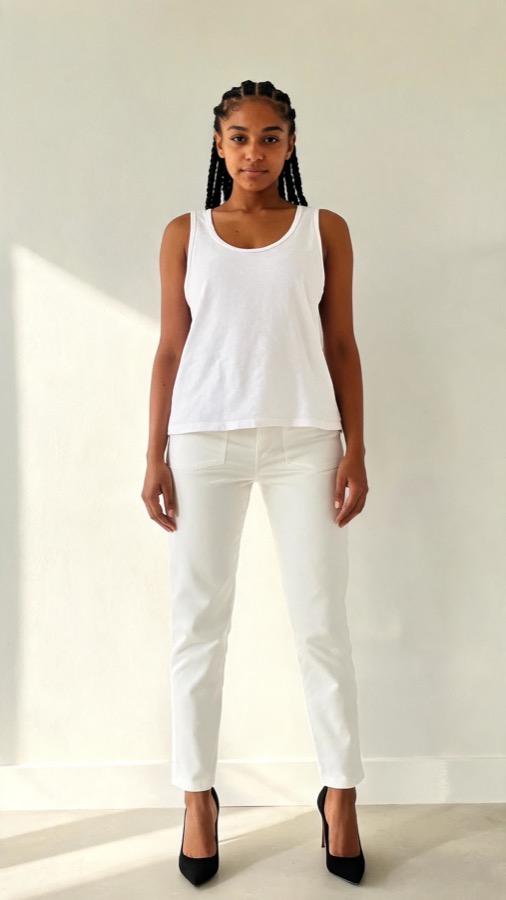

How AI Learns Your Style
At its core, AI-powered fashion curation is all about pattern recognition. By analyzing your choices – from saved outfits and liked posts to purchase history and try-on preferences – the system builds a style profile. This profile becomes more accurate with each interaction, helping the AI predict what you’ll love next.
Example:
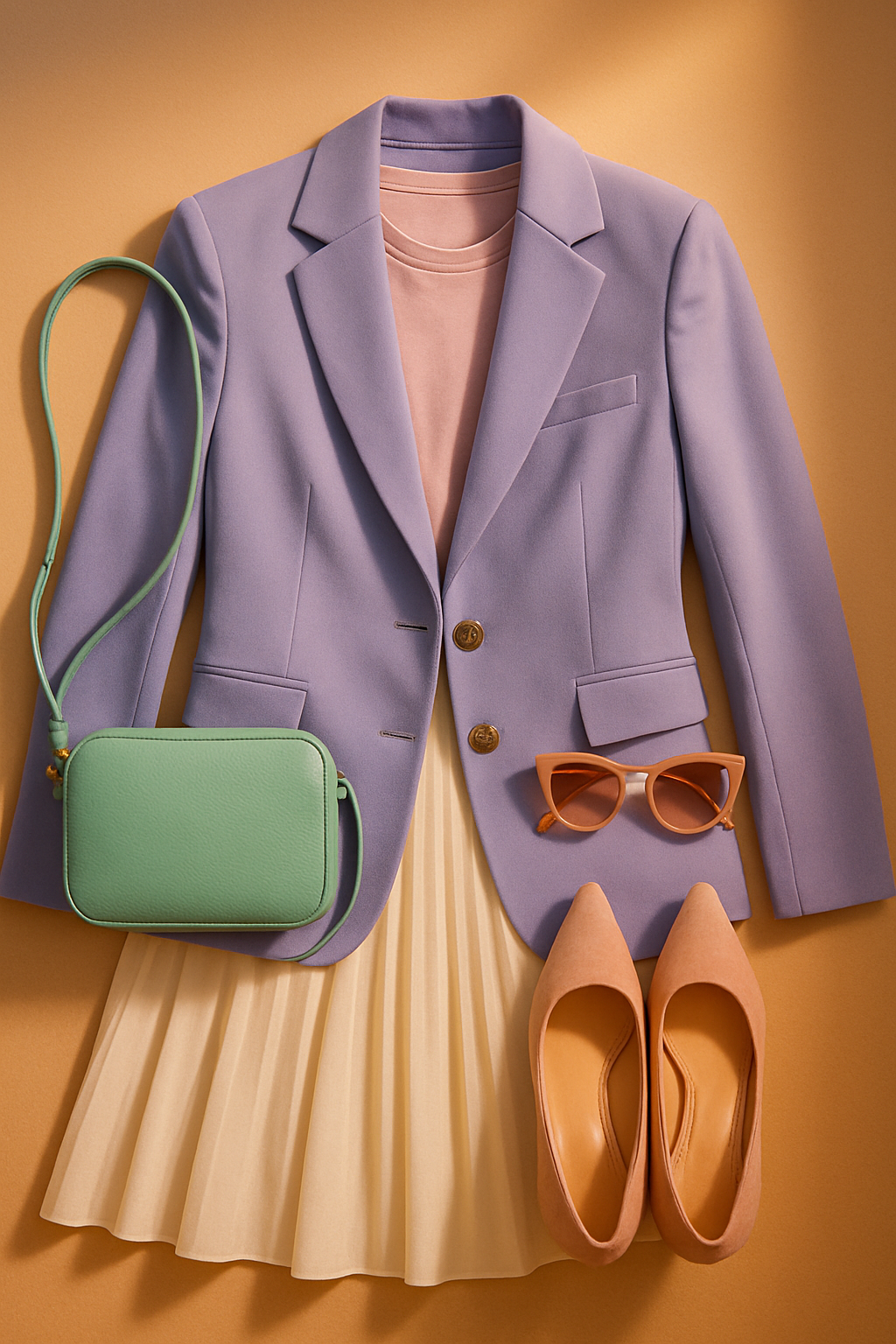
Suppose you often favor structured blazers and neutral tones. The AI notes this pattern and begins suggesting similar silhouettes or color palettes. Then, when you experiment with a pop of red or a new fabric, the system adjusts its recommendations dynamically.
You’re not just browsing anymore – you’re in a continuous feedback loop with your digital stylist.
Approach 1: Data-Driven Outfit Matching
This approach relies heavily on your behavior and past data. The algorithm learns what you like based on your interactions: clicks, saves, and purchases. Over time, it begins to suggest outfits that statistically match your preferences.
- Pros: Highly personalized, improves accuracy over time, ideal for consistent style preferences.
- Cons: Can feel repetitive if your tastes evolve quickly, less room for creative exploration.
Best for:
People who already have a strong sense of personal style and prefer efficiency. Think of it as your digital wardrobe assistant that knows your go-to looks by heart.
Approach 2: AI-Powered Visual Analysis
Instead of relying solely on data, this approach uses visual AI to analyze images and recognize aesthetic details. It can detect textures, cuts, and patterns, comparing them to your uploaded photos or try-on history to suggest complementary pieces.
- Pros: More creative and visually dynamic, adapts to evolving styles, great for trend lovers.
- Cons: Requires higher-quality input images, may need occasional manual correction.
Best for:
Fashion explorers who enjoy mixing styles, discovering new aesthetics, and seeing how certain items look on them before committing. Apps like Tryfits AI shine in this category, letting users virtually try on outfits to visualize real-life fit and flow.
Approach 3: Hybrid AI Curation (The Future Standard)
The most advanced systems combine behavioral data with visual cues. They analyze both your shopping history and your actual outfit preferences as seen through photos, try-ons, or mood boards. The result is a nuanced, evolving understanding of your fashion identity.
- Pros: Offers the best of both worlds – personalization plus creativity, adapts dynamically.
- Cons: May require consistent engagement to stay accurate, slightly more resource-intensive.
Best for:
Anyone looking to merge practicality with inspiration. Hybrid AI curation grows with you, adjusting to life phases, changing tastes, and even seasonal transitions.
Comparison Table: Finding Your Ideal AI Stylist
- Data-Driven AI: Best for consistent style lovers who want simplicity and speed.
- Visual Analysis AI: Perfect for creative users who love visual experimentation.
- Hybrid AI: Ideal for balanced users who want smart, adaptive suggestions that evolve with them.
Common Mistakes to Avoid When Using AI Fashion Tools
1. Ignoring the Feedback Loop
AI styling improves with your input. If you skip rating or adjusting suggestions, the system can’t refine its understanding. Engage consistently by liking, saving, or deleting suggestions that don’t match your mood.
2. Uploading Poor-Quality Images
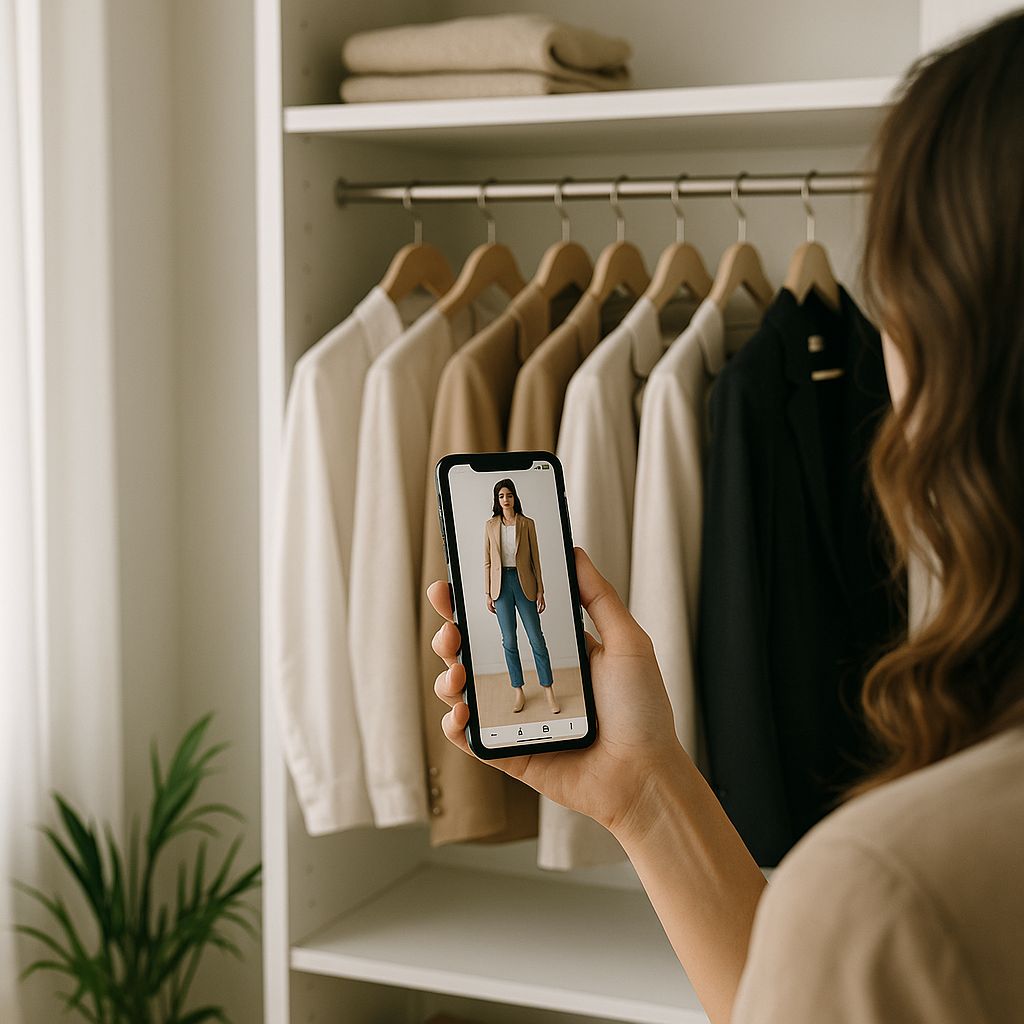
When using virtual try-on platforms, lighting, posture, and clarity matter. Blurry or low-light photos can distort how outfits appear. Take photos in natural light with a neutral background for the best results.
3. Sticking to Old Preferences
AI evolves – and so should your profile. Update your preferences every few months, especially if your lifestyle, size, or aesthetic has changed. It helps the algorithm stay aligned with the current version of you.


4. Overlooking Fit and Comfort
AI can suggest visually stunning combinations, but your comfort should always come first. Use tools like Tryfits AI that allow realistic video try-ons to see how the outfit moves and fits your real proportions.
5. Expecting Perfection Instantly
AI learning is iterative. The first few recommendations might be close but not perfect. Give it time – the longer you interact, the sharper and more intuitive it becomes.
Real-World Example: AI Style in Action
Meet Sara, a digital marketer who struggled with choosing outfits for work and travel. After trying an AI-powered app, she started receiving daily look suggestions based on her body type, local weather, and recent try-ons. Within weeks, her morning routine was cut in half, and her confidence skyrocketed.
She described it best: “It felt like the app actually got me. It wasn’t guessing anymore – it knew my vibe.” Sara’s experience highlights the power of consistent interaction and feedback in shaping AI accuracy.
Actionable Tips for Maximizing AI Fashion Tools
- Tip 1: Start with a clear style goal. Are you refining your everyday wardrobe or exploring new aesthetics?
- Tip 2: Use multiple data points. Upload outfits you already love to help the AI learn faster.
- Tip 3: Try virtual fitting before buying. Seeing the outfit in motion, as available on Tryfits AI, gives clarity on how it complements your real shape.
- Tip 4: Reassess seasonally. Your fashion data should evolve like your wardrobe.
- Tip 5: Mix AI insight with human intuition. The best looks come when you blend algorithmic precision with your personal creativity.
Why This Matters: The Emotional Side of Smart Styling
Clothing is more than fabric – it’s self-expression. When AI understands your preferences, it helps you express your personality with less stress and more joy. You’re capable of curating your identity every day, and technology simply amplifies that capability. The right outfit can shift your mindset, inspire confidence, and make you feel unstoppable.
AI doesn’t take away your individuality. It empowers it. Imagine having a system that evolves with your ambitions, your lifestyle, and your dreams – guiding you toward feeling like your most confident self, every day.
How Tryfits AI Brings It All Together
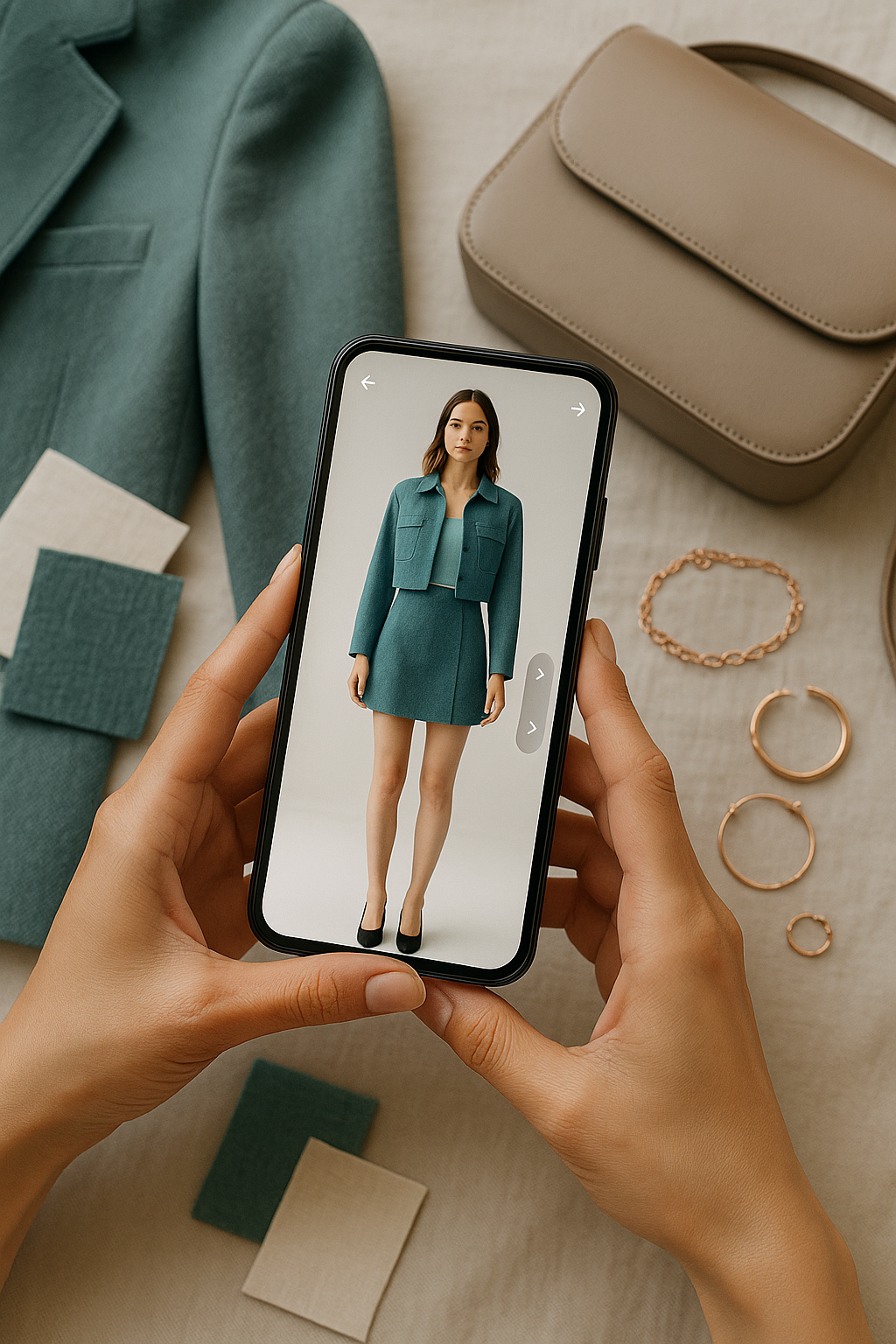
One standout example of AI-driven styling is Tryfits AI. With this app, you can upload a single photo and instantly visualize outfits through ultra-realistic virtual try-ons. The AI analyzes not just your fit, but your personal preferences, making each suggestion more accurate over time.
Beyond visuals, Tryfits AI’s virtual stylist, your stylist, offers real-time fashion advice and coordination tips. You’re not just seeing clothes – you’re experiencing them in motion, before you ever buy. It’s a bridge between imagination and reality, between “I think I like it” and “I know I’ll love it.”
Conclusion: The Future of Fashion Is Personalized
Fashion has always been personal, but now it’s intelligent too. AI learns your taste, predicts your needs, and helps you express your truest self through style. You’re not just following trends anymore – you’re co-creating them, with technology as your ally.
Imagine waking up each morning with a wardrobe that feels fresh, relevant, and unmistakably you. That’s the power of AI fashion – and it’s just the beginning.
Ready to see how that outfit looks on you? Explore your style potential with Tryfits AI and experience the future of fashion, right from your phone.