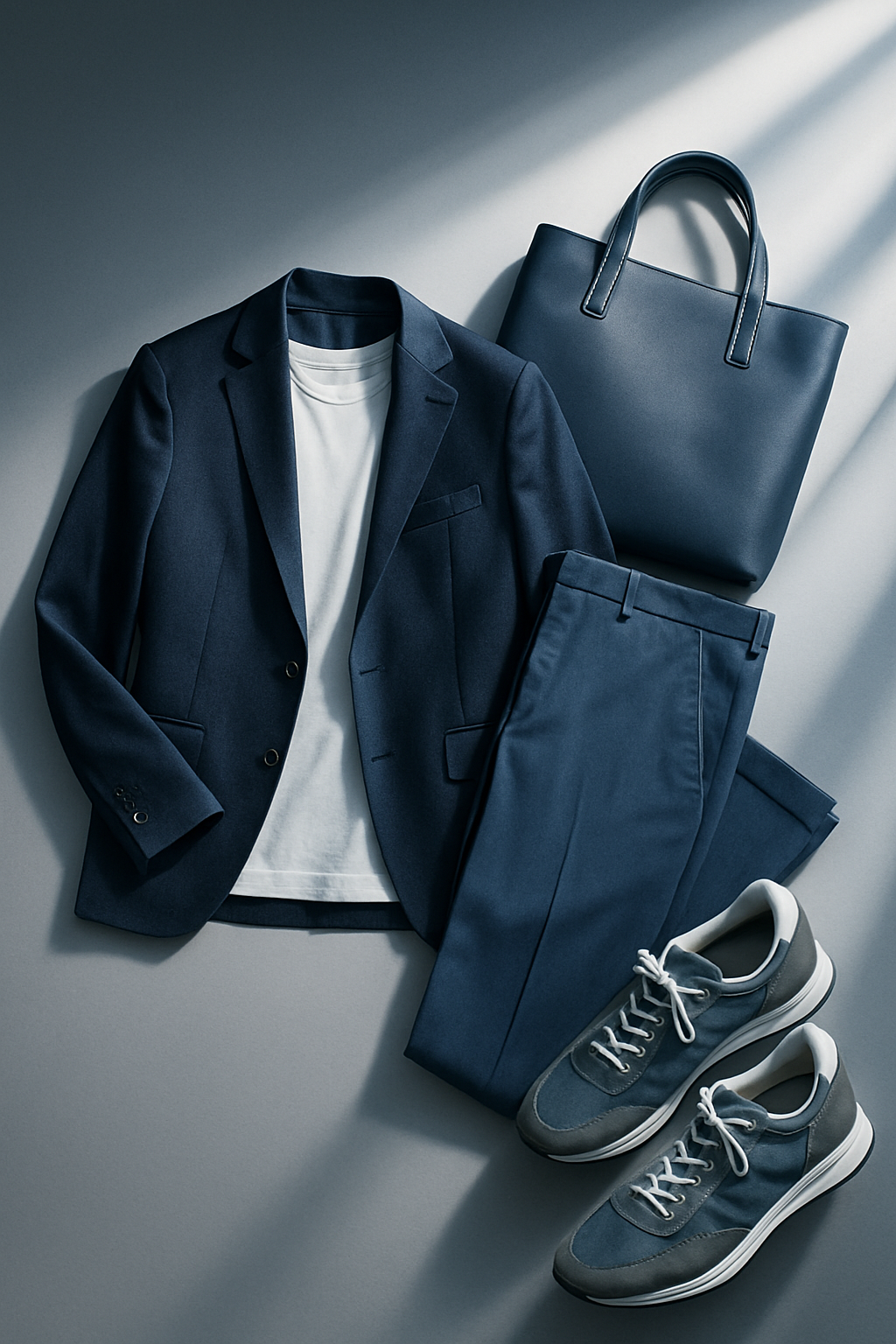
Quick Summary
AI Fashion: Style Meets Science explores how generative AI is transforming the way we design, shop, and experience fashion. This Q&A guide breaks down the most common questions about AI-driven fashion design, virtual try-ons, and personalized styling tools. Learn what’s changing, why it matters, and how to use these tools to refine your wardrobe choices with confidence.
What is generative AI in fashion?
Generative AI in fashion refers to algorithms that create, predict, or modify clothing designs, trends, and outfit combinations based on data. These systems learn from massive collections of style images, runway shows, and user preferences to produce new, wearable designs that match current aesthetics.
Unlike traditional design tools that rely entirely on human input, generative AI acts like a digital collaborator. It can suggest new silhouettes, adjust color palettes, and even simulate how fabrics move. For example, designers can input a mood board, and the AI generates dozens of outfit concepts that align with that theme in minutes.
 LIVE FITTING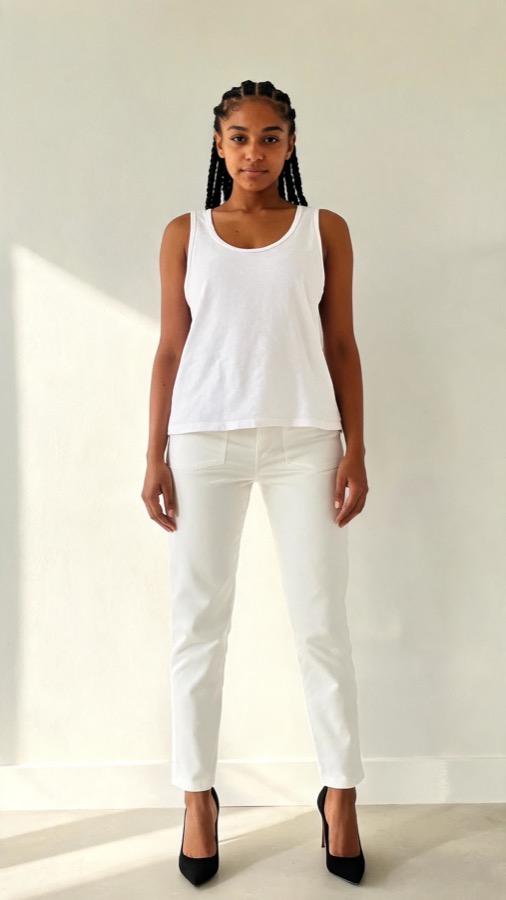

Here’s what works: using AI tools during early design phases accelerates creativity while cutting down trial and error. Brands like Prada and Balenciaga have already experimented with AI-assisted sketches and fabric simulations to visualize entire collections before production.
How is AI changing the way trends are created?
Trends used to start on runways, move to social media, and finally reach stores months later. AI has flipped that process. Now, algorithms track social platforms, e-commerce data, and image searches in real time to detect emerging styles before they go mainstream.
The most effective approach is data-driven forecasting. Generative AI models analyze millions of online images daily to find micro-trends, like a surge in metallic handbags or retro denim cuts, and predict which will dominate next season. Designers and retailers use this insight to plan collections and adjust inventory faster than ever.
Bottom line: trend cycles are shorter, more dynamic, and more personalized. Instead of dictating fashion from the top down, AI helps respond to real people’s preferences from the ground up.
How does generative AI personalize fashion for individuals?
Personalization is where AI fashion truly shines. These systems don’t just generate designs; they adapt them to your body type, preferences, and style history. Whether you prefer minimalist neutrals or bold streetwear, AI can tailor outfit recommendations to you specifically.
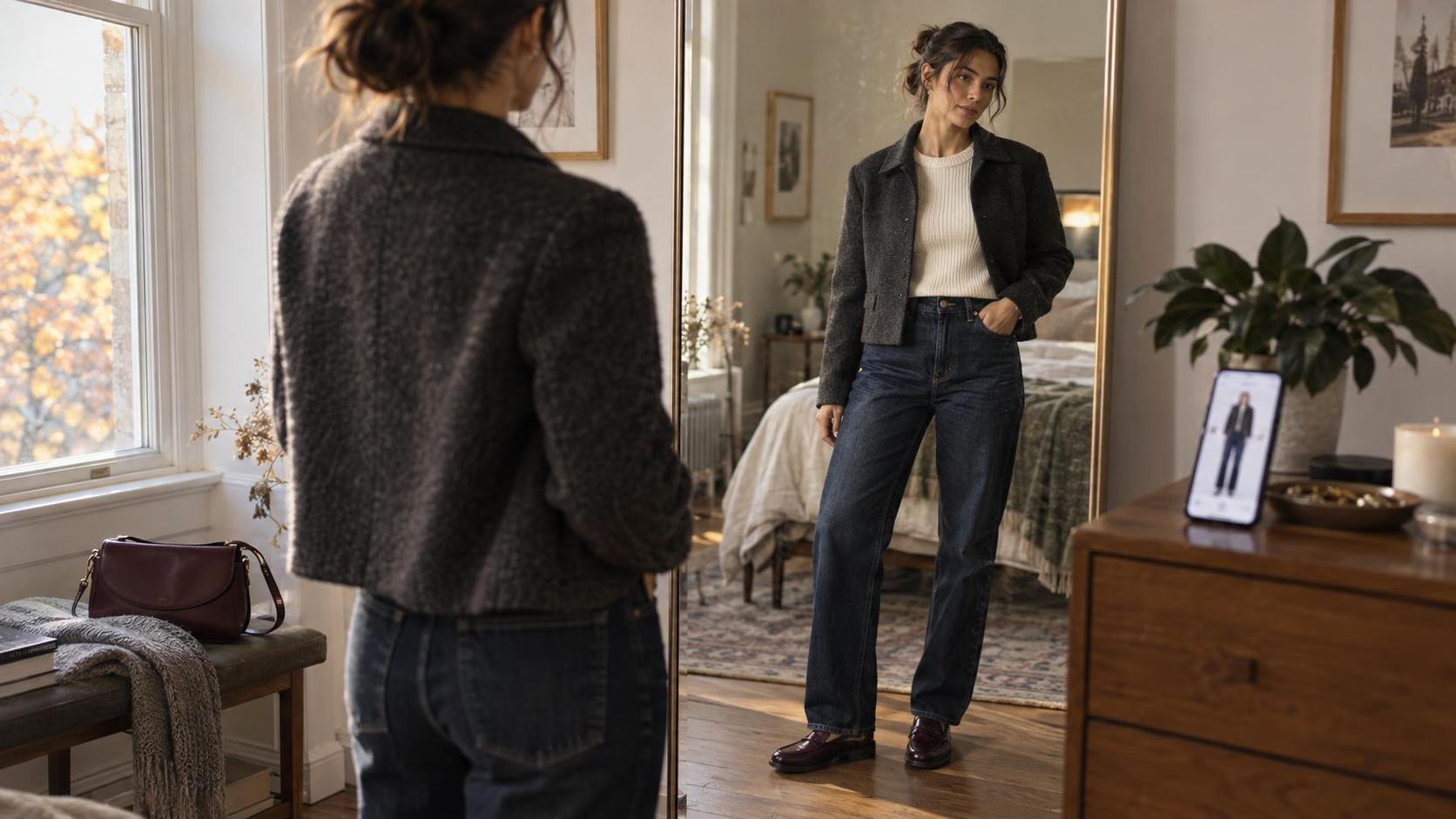
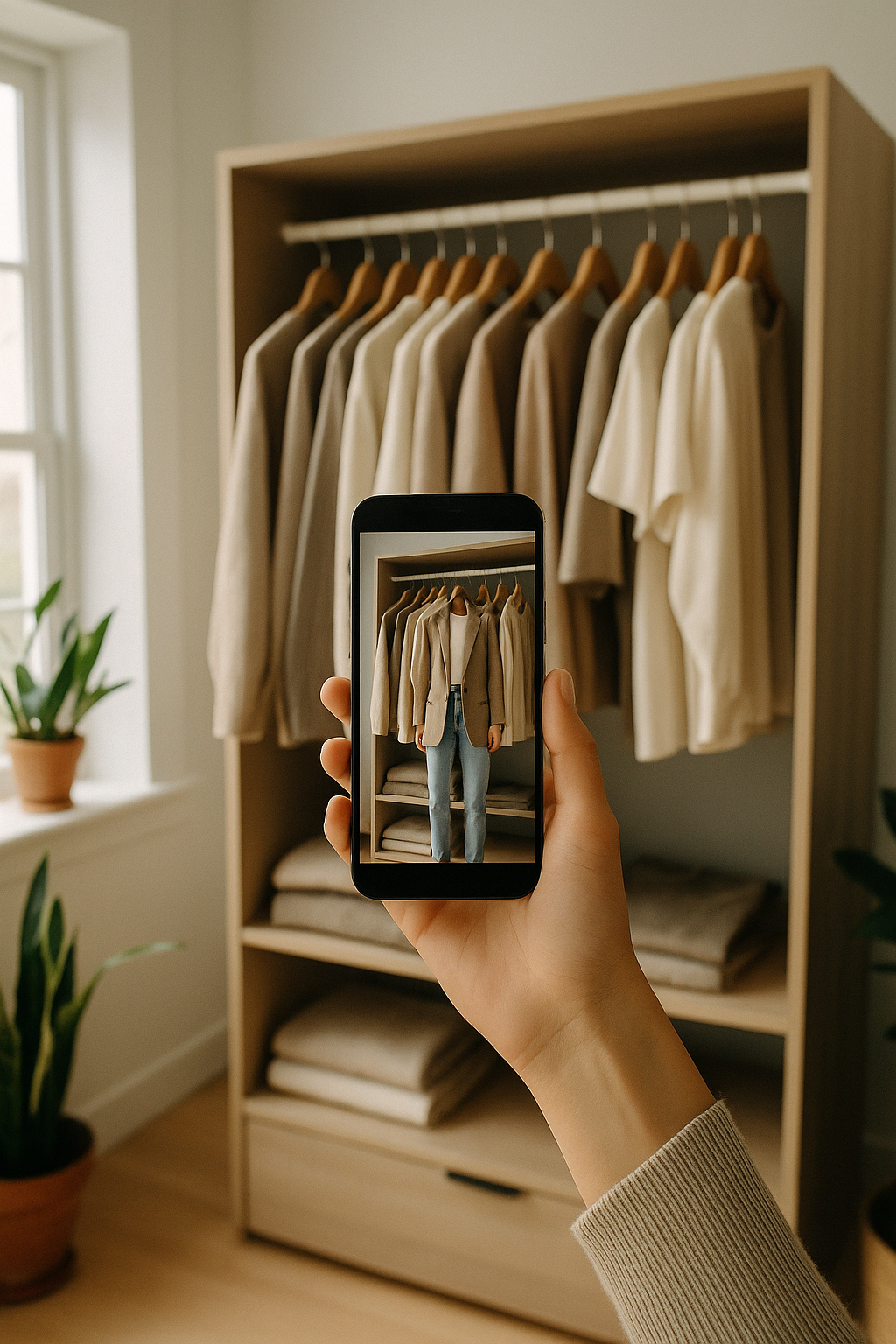
For example, Tryfits AI (https://tryfitsai.com) uses generative AI to let users virtually try on clothes from any brand using just a photo. The app simulates fabric movement and lighting to show exactly how a garment would look on your body. It even suggests better fits or complementary items based on your previous choices.
Here’s what works: consistent feedback. The more you interact with an AI styling tool, the smarter it gets. Over time, it learns your preferences and predicts your style mood before you do, recommending outfits for events, weather, or even your social feed’s aesthetic.
Can AI replace fashion designers or stylists?
No, AI won’t replace creative professionals, but it will redefine their roles. Generative AI acts as an amplifier for human creativity, not a substitute. Designers use it to test shapes, materials, or color combinations faster than manual sketching allows. Stylists use AI to analyze client wardrobes and build cohesive looks in minutes.
Think of AI as the ultimate assistant. It handles the repetitive groundwork – resizing patterns, rendering fabrics, generating variants – while humans focus on creative direction, storytelling, and emotion. The synergy of art and science produces more innovative results than either could alone.
Bottom line: the best fashion outcomes come from collaboration between AI precision and human intuition.
What are the real-world benefits of AI fashion for shoppers?
For consumers, the biggest benefits are accuracy, confidence, and convenience. AI helps eliminate guesswork in online shopping – no more wondering if that jacket fits or if a color flatters your skin tone. Virtual try-on tools like Tryfits AI let users see realistic previews of clothing on their actual bodies before buying.
Here are a few key advantages:


- Smarter sizing: AI analyzes your photo to predict accurate fit, reducing returns.
- Visual confidence: Virtual try-ons simulate lighting, texture, and movement, helping you make decisions you won’t regret later.
- Style optimization: Recommendations improve with each use, saving time when curating outfits.
Here’s what works: use AI-assisted shopping apps as your decision filter. They streamline the experience, showing what works for you before you spend.
How can small brands or creators use generative AI effectively?
Small fashion brands can benefit just as much as large ones, often more. Generative AI levels the playing field by reducing costs and speeding up production cycles. With AI tools, an independent designer can generate concept visuals, test colors, and even preview collections on digital models before manufacturing a single piece.
Here’s how to make it practical:
- Use AI-driven mood boards: Tools like Midjourney or Runway ML can generate concept art to define your collection’s theme.
- Leverage virtual try-ons: Partner with platforms like Tryfits AI to showcase how your clothes look on diverse body types without costly photo shoots.
- Analyze trends: Use AI trend analysis to find gaps in the market before launching new items.
Bottom line: AI reduces barriers to entry and helps small labels punch above their weight creatively and strategically.
What are the challenges or limitations of AI in fashion?
AI in fashion isn’t perfect. It depends on the quality and diversity of its training data. If datasets are biased toward certain body types or aesthetics, the results may lack inclusivity. Additionally, creativity is still partly intuitive – something algorithms can assist but not fully replicate.
Another challenge is sustainability. While AI can predict demand and minimize waste, overproduction of digital content and fast-cycle designs can lead to resource strain. The most effective approach is balance – use AI to enhance creativity, not replace craftsmanship.
Here’s what works: adopt AI thoughtfully. Choose tools that prioritize accurate representation, ethical data practices, and genuine consumer benefit.
How can I get started exploring AI fashion today?
You don’t need to be a designer or technologist to dive into AI fashion. Start with apps and tools that are user-friendly and visual. Try experimenting with a virtual try-on platform like Tryfits AI to experience firsthand how AI enhances fit and style decisions. Explore AI design tools like Figma plugins or image generators to create custom outfit concepts for inspiration.
Here’s a simple roadmap:
- Download an AI fashion app and create a style profile.
- Experiment with virtual try-ons to understand how AI interprets your preferences.
- Review recommendations, provide feedback, and let the algorithm learn your taste.
Bottom line: start small, stay curious, and use AI as a mirror for your evolving style identity.
Final Thoughts
Generative AI is redefining what it means to be stylish, blending technology and creativity in ways that empower everyone – from global designers to everyday shoppers. It’s not about replacing artistry, but about amplifying it through data-driven insights and digital innovation.
Ready to see how that outfit looks on you? Try Tryfits AI today and experience the next level of fashion intelligence. See, style, and shop smarter with AI on your side.