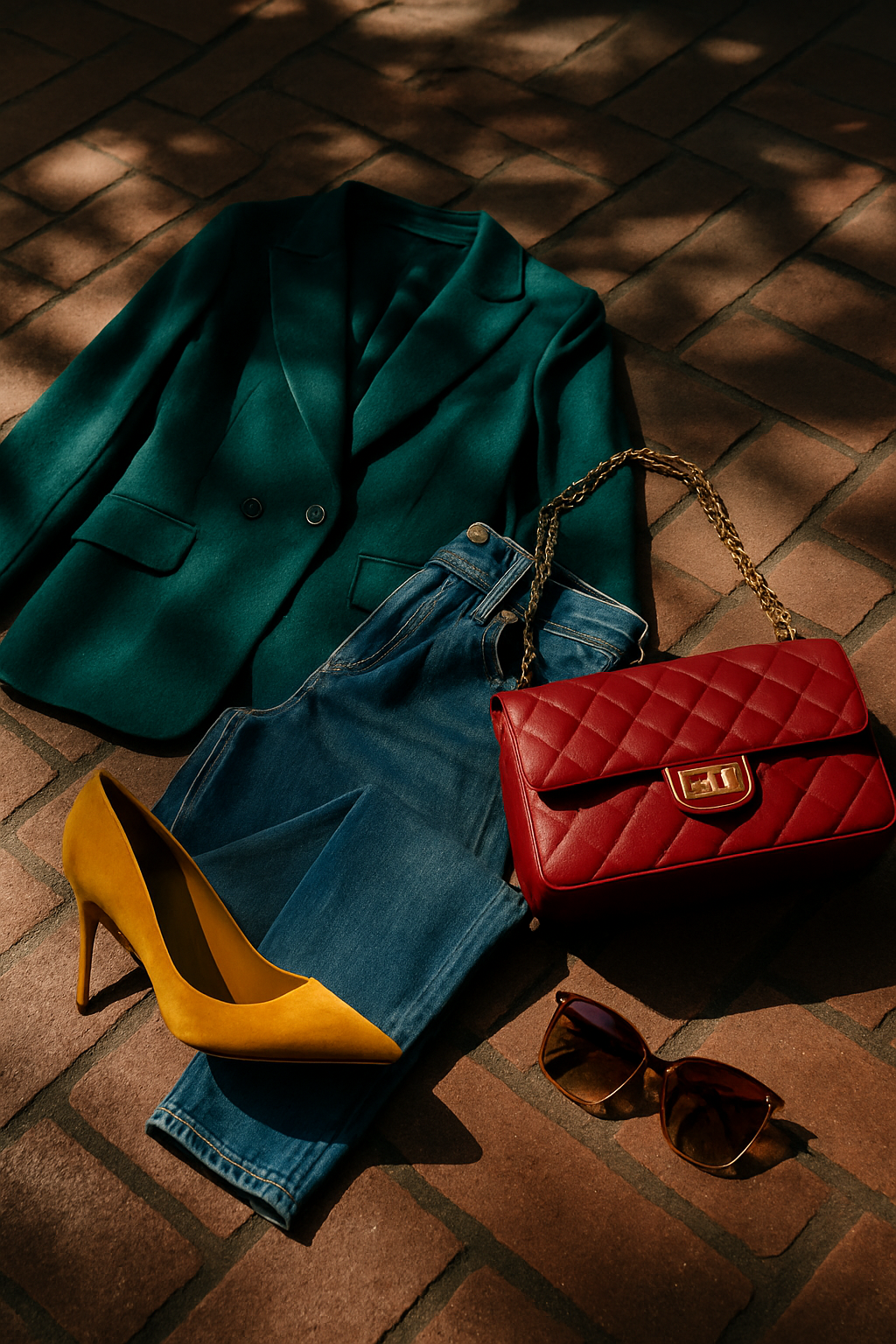
Trends & Culture: Gen-Z’s Digital Closet Revolution: How Virtual Wardrobes Became the New Luxury
It used to be simple: open your closet, pick an outfit, and go. But in today’s world of social media, sustainability, and digital expression, clothes have evolved beyond fabric and thread. For Gen-Z, fashion is no longer limited to what hangs on a rack. It lives online, in virtual wardrobes filled with outfits that can be tried, shared, and styled without ever stepping into a fitting room. This transformation has created an entirely new kind of luxury – one defined by creativity, accessibility, and technology.
Let’s explore how this revolution started, what it means for young consumers, and how you can join in. We’ll begin with the problem driving it all, then look at the solutions – from digital fashion apps to AI-powered styling tools – that are reshaping the way people dress, both on and offline.
 LIVE FITTING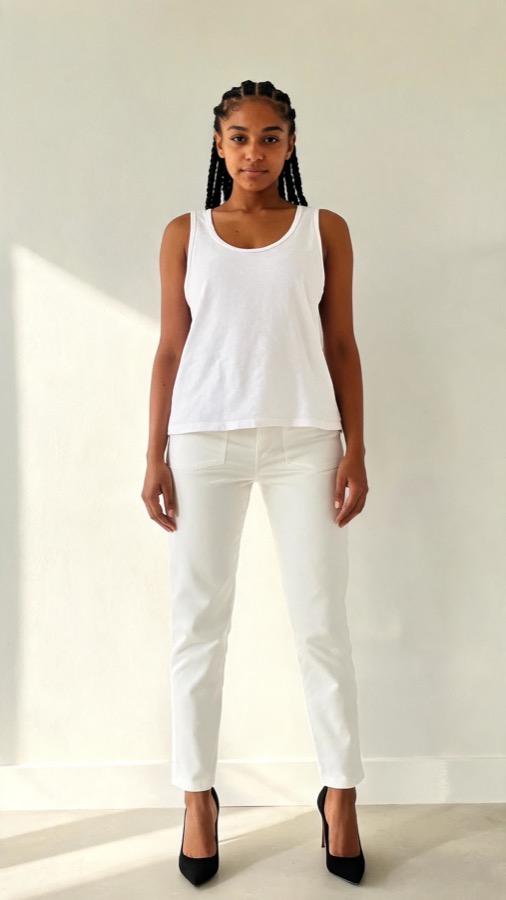

The Problem: Fashion Fatigue in a Fast-Paced World
Fashion moves fast, maybe too fast. Scroll through any feed, and trends shift by the week. What was “in” yesterday feels outdated today. Gen-Z shoppers face constant pressure to look current, unique, and sustainable – all at once. That’s exhausting, both mentally and financially.
Many young consumers have started to notice this fatigue. Owning more clothes doesn’t always feel better. In fact, closets stuffed with items worn once for a photo often create guilt instead of joy. The modern fashion struggle isn’t about having nothing to wear – it’s about having too much, too often.
To understand this better, think of your digital life. Online, your profile, posts, and outfits are part of your identity. Every picture is an opportunity for expression. But how can you keep creating new looks without buying endlessly? That’s where digital closets come in.
Solution 1: The Rise of the Virtual Wardrobe
Imagine logging into an app where your entire closet is digitized. You can drag, drop, and plan outfits visually. That’s what a virtual wardrobe does. It allows you to organize, style, and even “wear” clothing in digital spaces without physically owning it all.
How It Works
Users upload photos of their clothes or choose from existing digital catalogs. The app then stores each item in a personal closet, where you can mix and match outfits. It’s like having your own stylist and fashion archive in your pocket.
Some platforms even integrate with online stores, allowing you to try on outfits virtually before purchasing. The result? Smarter decisions, fewer impulse buys, and less waste.
Why It Matters
This system helps bridge the gap between fashion desire and conscious consumption. Instead of buying clothes you might regret, you can visualize how they fit into your existing wardrobe. It’s fashion made practical.
Case Study: One college student, Maya, shared how her virtual wardrobe changed her shopping habits. “I used to buy new clothes for every event. Now, I plan looks ahead, reuse more pieces, and save money. It’s like having a stylist and a conscience at once.”
Solution 2: Virtual Try-Ons with AI
While digital closets help organize what you own, AI-powered virtual try-ons take it a step further. They let you see how outfits actually look on you – without needing a dressing room or mirror.
How AI Try-Ons Work
Apps like Tryfits AI use computer vision and machine learning to simulate realistic clothing fits. You simply upload a photo, and the AI shows how any outfit would look on your body. Think of it like a personalized fashion simulator, only far more accurate than older “dress-up” tools.
Let me explain why this matters. Traditional online shopping often leads to disappointment because size charts and model photos rarely reflect reality. With AI try-ons, you can finally see how that jacket drapes on your shoulders or how those jeans fit your shape before buying.
Real-World Impact
- Confidence: Shoppers can see how they’ll look before making a purchase, reducing uncertainty.
- Sustainability: Fewer returns mean less shipping waste and lower carbon impact.
- Accessibility: Anyone can experiment with styles regardless of size, location, or budget.
Think of Tryfits AI as your digital fitting room, available 24/7. You can test styles, explore colors, and refine your personal aesthetic – all from your phone.
Solution 3: Digital Fashion – Clothes You Don’t Actually Own
Here’s where it gets really futuristic. Some Gen-Z consumers now buy digital fashion pieces that exist only online. These garments are worn in photos, social media posts, or metaverse environments, but never physically produced.
The Concept
Designers create stunning digital outfits, which users can “wear” by having them digitally fitted onto their images or avatars. No fabric, no shipping, no storage. It’s purely aesthetic luxury – style for the virtual world.
To understand this better, imagine buying an haute couture gown, but only to appear in your profile picture or a video. It’s not about function, it’s about identity and artistry. For many, this is a more ethical and creative way to engage with fashion.


Why Gen-Z Loves It
- Expression Over Possession: You don’t have to own clothes to showcase your style.
- Eco-Friendly: No materials wasted, no carbon footprint from production.
- Instant Gratification: Buy, wear virtually, and share within minutes.
Example: Digital fashion brands like DressX and The Fabricant have shown that people are willing to pay for non-physical clothes. What once seemed strange is now seen as a statement – a futuristic form of self-expression.
Solution 4: AI-Powered Styling and Smart Outfits
Once your wardrobe goes digital, the next logical step is intelligent styling. AI stylists are now helping users discover what looks best based on their body type, mood, and events.
How It Works
Apps like Tryfits AI include an AI stylist called Your stylist, which provides tailored outfit suggestions. Your stylist learns from your preferences and helps you combine items you already own or plan to buy. It’s like chatting with a personal stylist who knows your entire wardrobe history.
Benefits
- Time-saving: No more endless outfit trials. Get curated looks instantly.
- Personal growth: Understand your evolving style and make more intentional choices.
- Confidence boost: See yourself in new looks before committing to them.
Think of this as leveling up your digital closet. Not only are your clothes organized, but your style journey becomes guided by data, aesthetics, and creativity combined.
Solution 5: Sustainable Luxury and the New Status Symbol
In previous generations, luxury was about exclusivity and price. For Gen-Z, luxury looks different. It’s about being sustainable, tech-savvy, and authentic. The digital closet represents this new status symbol – one rooted in access, not excess.
Why This Shift Matters
Virtual wardrobes reduce waste, democratize style, and make fashion participation more inclusive. You don’t need a designer label to express individuality. What matters is creativity, curation, and digital presence.
Case Example: A digital creator, Leo, began showcasing AI-styled looks using Tryfits AI. Within months, his engagement doubled. “It wasn’t about the brand names anymore,” he said. “It was about showing creativity in how I mix virtual and real-world style.”
Luxury Redefined
- Old Luxury: Scarcity, exclusivity, ownership.
- New Luxury: Creativity, sustainability, digital identity.
Virtual wardrobes perfectly embody this evolution. They allow users to showcase taste and innovation rather than wealth. In this new era, your fashion influence is measured by how well you curate, not how much you own.
Comparing the Approaches
| Approach | Best For | Pros | Limitations |
|---|---|---|---|
| Virtual Wardrobe | Everyday organization and outfit planning | Easy to use, practical, encourages reuse | Requires manual photo uploads |
| AI Try-Ons (Tryfits AI) | Online shoppers and content creators | Realistic visualization, reduces returns, boosts confidence | Dependent on image quality and lighting |
| Digital Fashion | Trendsetters and creators | Zero waste, artistic expression | Not physical, limited real-world use |
| AI Styling | Style learners and busy professionals | Personalized recommendations, continuous learning | Relies on accurate data input |
The Best Path Forward: Blend the Digital and the Real
The most balanced approach is a hybrid one. Combine virtual wardrobes for organization, AI try-ons for visualization, and digital styling for growth. This creates a complete ecosystem where your fashion life is sustainable, expressive, and efficient.
Start small. Try digitizing a few pieces from your real closet, then experiment with AI try-ons. As you get comfortable, you can explore digital-only pieces or rely on AI stylists for advice. Each step makes your wardrobe smarter and more reflective of who you are.
Conclusion: The Future of Fashion Is Already in Your Pocket
The digital closet revolution isn’t just a trend. It’s a reflection of a deeper cultural shift – from ownership to experience, from waste to awareness, from consumption to creativity. For Gen-Z, virtual wardrobes are not only convenient but empowering. They allow anyone to explore infinite styles while staying mindful of their impact.
Technology like Tryfits AI is at the center of this change. It bridges the gap between fashion and innovation, giving you the tools to experiment, plan, and personalize your style effortlessly.
Ready to see how that outfit looks on you? Start exploring your digital closet today and experience how virtual fashion can make your real-world wardrobe more exciting, sustainable, and uniquely yours.