Guides & Tutorials: From Selfie to Runway – A Step-by-Step Guide to Creating Your 3D Avatar for Virtual Try-Ons
“By 2030, over 70% of fashion shoppers will engage with 3D avatars or virtual fitting rooms before making a purchase,” according to a report by Vogue Business. This shift signals a future where trying on clothes no longer means stepping into a dressing room, but stepping into a digital version of yourself.
If you’ve ever struggled with online shopping because clothes looked different on the model than they did on you, you’re not alone. One of the biggest frustrations for fashion lovers is uncertainty – how will this fit, how will it drape, how will it look on my body? Virtual try-on technology, powered by 3D avatars, is changing that. But creating your own realistic digital twin can feel intimidating at first.
 LIVE FITTING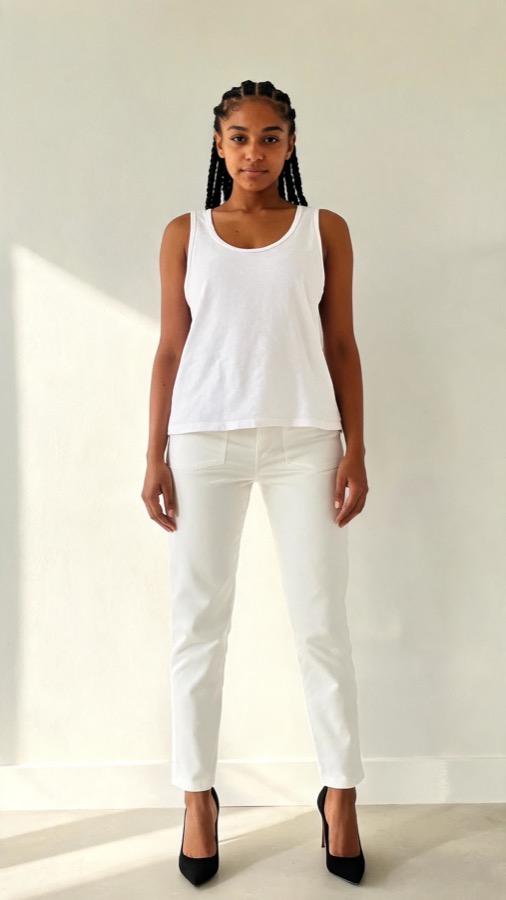

Let me explain how to make this process simple and enjoyable. In this guide, we’ll walk through common challenges, explore different ways to build your 3D avatar, and help you choose the right approach to experience the future of personalized fashion.
1. The Problem: Why Building a 3D Avatar Feels So Complicated
Many people imagine creating a 3D avatar as something only designers or tech experts can do. The idea of scanning your body or uploading photos can seem overwhelming. Maybe you’ve tried an app that gave you an avatar that didn’t look much like you, or perhaps the process took too long and you gave up halfway.
To understand this better, think of your 3D avatar as a digital mannequin shaped precisely like you. The better it reflects your actual features, the more realistic and useful your virtual try-ons become. However, the path to accuracy depends on the technology you use.
Before we dive into solutions, let’s pinpoint what makes this process challenging:
- Unfamiliar tools: Many apps or scanners use technical terms that confuse beginners.
- Accuracy concerns: A few centimeters of error can make a huge difference in how clothing fits.
- Privacy worries: People often hesitate to upload body images or data online.
Understanding these challenges helps us see why some solutions are more beginner-friendly than others. Let’s explore your options.
2. Solution 1: Quick and Easy – The Selfie-Based Avatar
The simplest method to create your 3D avatar is by using a selfie or a few photos. Many modern fashion platforms, such as Tryfits AI, allow users to upload a single image and instantly generate a realistic digital version of themselves. The app uses advanced AI to estimate your body shape, skin tone, and proportions without requiring a full scan.
How It Works
All you need is good lighting and a neutral background. The AI system analyzes your image, maps your body geometry, and creates a proportional 3D figure. Within seconds, you can virtually try on different outfits and see how they might look on you.
Pros
- Fast and beginner-friendly.
- No special equipment required.
- Privacy-conscious, as only your photo is processed.
Cons
- Less accurate than full 3D body scans.
- Relies on clear, high-quality photos.
Example: Imagine snapping a quick mirror selfie and seeing how a new jacket looks in seconds. You can adjust the pose, lighting, or background, and the AI updates your virtual try-on in real time. For casual shoppers or creators, this method balances convenience and visual realism.
3. Solution 2: Intermediate – The Body Measurement Avatar
If you want more precision, you can create your avatar by entering measurements manually. Many e-commerce platforms allow you to input details like height, waist, hip, bust, and shoulder width. The system then builds a proportional 3D model based on those numbers.
How It Works
Think of it like a digital tailor. You provide your key measurements, and the software visualizes a custom avatar that reflects your body proportions. Some tools even allow you to tweak facial features or hair color for more personalization.
Pros
- More control over accuracy.
- Ideal for those concerned about photo uploads.
- Helps visualize sizing more effectively.
Cons
- Takes more time and effort.
- Relies on self-measurement accuracy, which can vary.
Tip: Use a flexible measuring tape and measure over light clothing. Always double-check your numbers, especially for waist and hip measurements, to ensure your virtual outfits fit correctly.
This approach suits users who want a balance between control and simplicity, especially if you’re shopping for tailored pieces or formalwear.
4. Solution 3: Advanced – The 3D Body Scan
For those seeking the highest level of realism, a full 3D body scan is the most accurate method. Some fashion retailers and specialized studios offer scanning booths or mobile scanning apps that use depth sensors to capture every contour of your body.
How It Works
Using either a professional scanner or a smartphone with LiDAR technology, the system records your exact shape and dimensions from multiple angles. It creates a lifelike digital twin you can use across different fashion platforms.
Pros
- Highly accurate and realistic results.
- Perfect for professional use, such as digital fashion design or content creation.
- Compatible with most virtual try-on systems.
Cons
- Requires specialized hardware or studio access.
- Can be costly and time-consuming.
Example: A stylist or influencer might visit a scanning studio to capture their full-body avatar once, then use it to virtually try on dozens of designer looks before a fashion shoot or campaign. It’s a powerful way to test styles without physically changing outfits.


5. Comparing Your Options
Let’s compare the three main approaches side by side to help you decide which best fits your needs.
| Method | Ease of Use | Accuracy | Best For |
|---|---|---|---|
| Selfie-Based | Very Easy | Moderate | Everyday shoppers, social media users |
| Measurement-Based | Moderate | High (depends on precision) | People shopping for tailored or fitted clothing |
| 3D Scan | Advanced | Very High | Designers, influencers, advanced users |
Each approach has its own benefits, so the best choice depends on your comfort level and goals. For most users, starting with a selfie-based avatar is the easiest and most accessible way to begin exploring virtual fashion.
6. Bringing Your Avatar to Life with Virtual Try-Ons
Once you have your avatar, it’s time for the fun part – trying on digital outfits. This is where the magic happens. Modern virtual try-on apps like Tryfits AI make it possible to see how clothes look and move on your body shape in real time.
Why It Works
Tryfits AI uses advanced body mapping and simulation algorithms that adjust fabric texture, lighting, and drape according to your avatar. Think of it like your personal digital fitting room, but one you can carry in your pocket.
Practical Example
You upload your photo or avatar, choose an outfit from a connected brand catalog, and instantly view a realistic try-on. The app can even show how the fabric behaves when you move, providing an experience that feels like shopping in real life – without ever entering a store.
Extra Features to Explore
- AI Styling Advice: Chat with your stylist, Tryfits AI’s digital stylist, to get personalized outfit recommendations.
- Outfit Comparison: View multiple styles side by side to decide which suits you best.
- Virtual Closet: Save your favorite outfits and mix them into new combinations later.
These features make the process not only practical but also enjoyable. Over time, your digital avatar becomes your personalized fashion companion.
7. Common Mistakes to Avoid
When creating your 3D avatar, accuracy and clarity matter most. Small errors can lead to unrealistic results or poor fitting simulations. Here are some common pitfalls and how to fix them:
- Using low-quality photos: Blurry or poorly lit selfies confuse AI systems. Always use natural lighting.
- Wearing bulky clothing: It can distort body shape recognition. Choose fitted outfits for best results.
- Ignoring measurements: Even in selfie-based systems, providing your height helps fine-tune proportions.
- Skipping calibration steps: If the app asks you to align markers or stand a certain way, follow the instructions carefully.
Tip: Think of creating your avatar as setting up a foundation. The more accurate you are now, the better your future virtual try-ons will look and feel.
8. Why This Matters: The Future of Digital Fashion
Building your 3D avatar isn’t just about convenience – it’s about participating in the next evolution of fashion. As brands adopt digital fitting technology, avatars will become central to personalized shopping, digital fashion events, and even metaverse experiences.
Imagine attending a virtual fashion show with your avatar dressed in the latest collection or previewing a new release in your own proportions before anyone else. That’s the direction the fashion world is heading toward.
By learning how to create and customize your avatar today, you’re preparing to engage with these future trends confidently.
9. Conclusion: Your Digital Twin Awaits
Creating a 3D avatar might sound futuristic, but as you’ve seen, it’s entirely achievable with the right approach. Whether you start with a selfie, input your measurements, or try a full 3D scan, each step brings you closer to a more personalized and enjoyable fashion experience.
The key takeaway is simple: the quality of your avatar determines the quality of your virtual try-ons. Start small, experiment, and refine your digital self over time. Once you’ve done it, you’ll never look at online shopping the same way again.
Ready to see how that outfit looks on you? Try Tryfits AI to create your 3D avatar and experience realistic try-ons, AI styling advice, and your own digital fashion world. Your runway starts with a single selfie.