
Finding the perfect outfit can be both exciting and exhausting. Between the dazzling options online and the tactile experience of in-store shopping, it’s easy to wonder which approach actually helps you find your true fit. In recent years, virtual try-on technology has taken center stage, promising a future where shopping doesn’t require long fitting room lines or guesswork. But can it really compete with the traditional in-store experience?
Let’s dive into how both approaches compare, what each offers, and how tools like Tryfits AI are redefining the way we shop for clothes that not only fit but also express who we are.
The Classic Experience: In-Store Shopping
The Pros of Trying Before You Buy
Shopping in-store offers something that no screen can replicate – the tangible experience. You can touch fabrics, feel textures, and try pieces on instantly. The lighting, mirrors, and ability to move around in an outfit give you a real-time sense of fit and comfort. There’s also the social aspect – shopping trips with friends, spontaneous feedback from store associates, and that instant satisfaction of walking out with a new outfit in hand.
 LIVE FITTING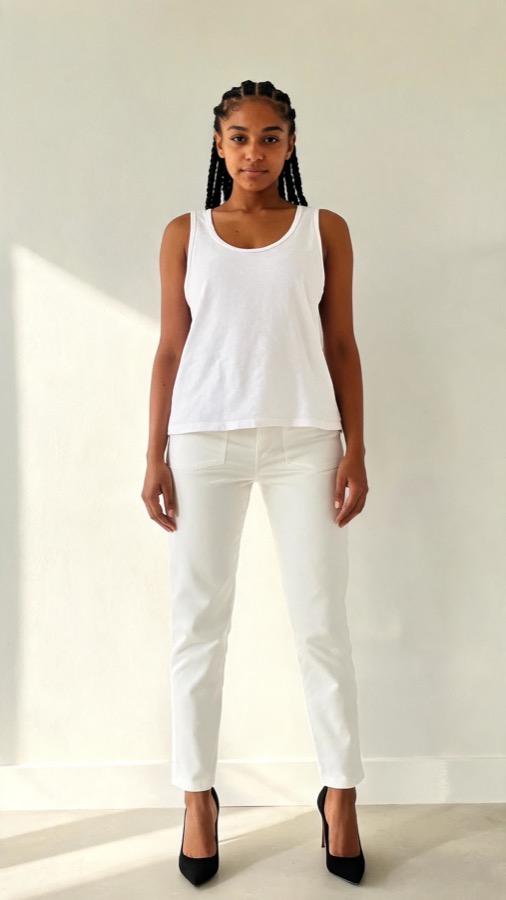

- Immediate results: You know right away whether something fits or flatters you.
- Tactile connection: You can feel the fabric and see how it reacts to light and movement.
- Fewer returns: Because you try clothes on before buying, there’s less chance of sizing mistakes.
The Cons of In-Store Shopping
As convenient as it once seemed, in-store shopping now comes with noticeable drawbacks. Between limited size availability, long fitting room lines, and inconsistent lighting, the experience can be frustrating. And let’s face it – not everyone enjoys trying on clothes in public spaces under harsh fluorescent lights.
- Limited stock: Your size or preferred color might not be available at that location.
- Time-consuming: Traveling, waiting, and trying on multiple outfits can take hours.
- Lighting deception: Store mirrors and lighting often alter how clothes appear, making it tricky to predict how they’ll look elsewhere.
When In-Store Shopping Still Wins
For tactile shoppers who love feeling fabrics or for those hunting for statement pieces, in-store shopping remains valuable. It’s also a great choice when buying tailored or luxury items where precision and texture matter most. If you enjoy fashion as a sensory experience, the store will always have its charm.
The Digital Revolution: Virtual Try-On Technology
How Virtual Try-On Works
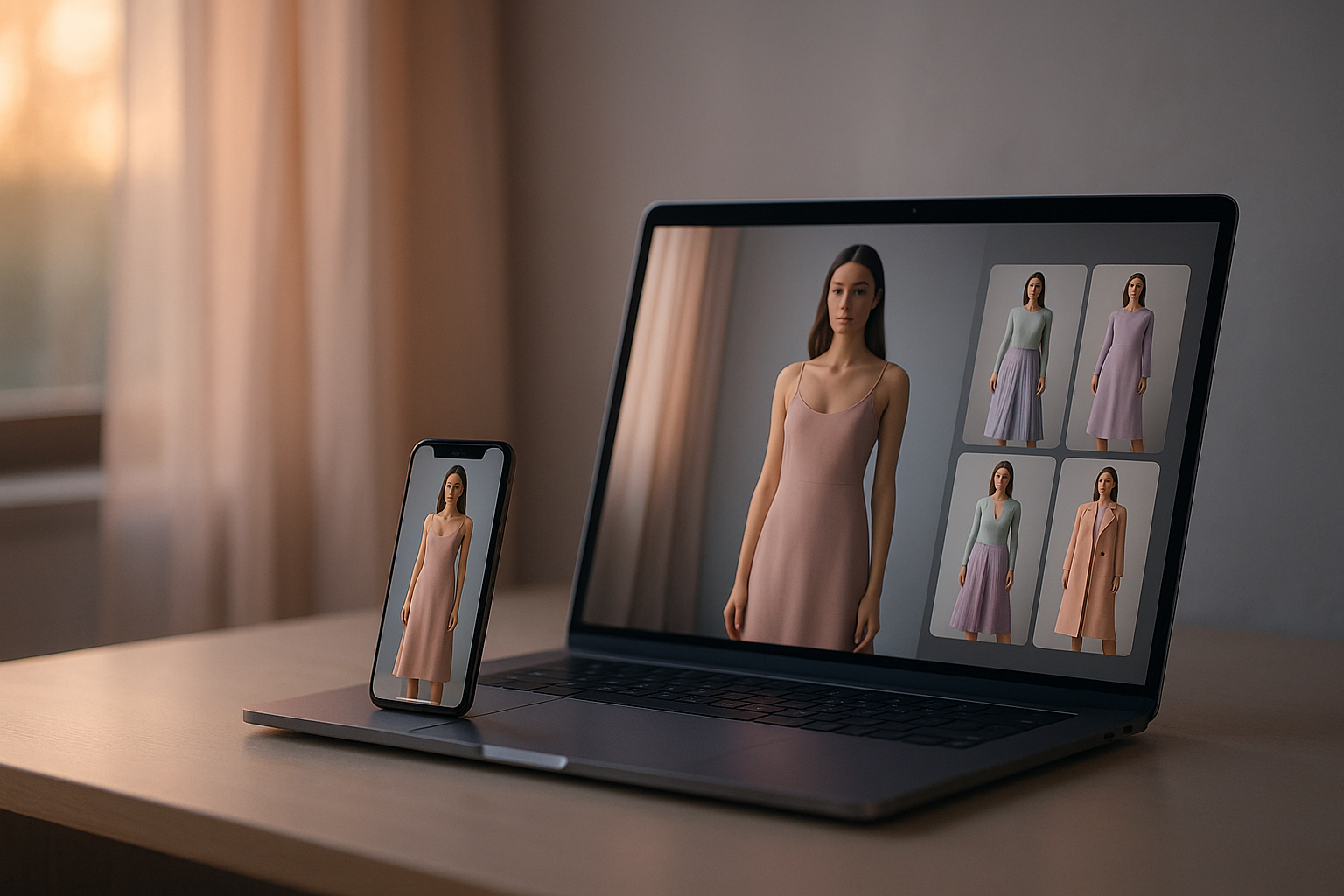
Virtual try-on technology uses artificial intelligence, body mapping, and augmented reality to simulate how clothes will look on you. Instead of guessing your size or hoping that an online model’s proportions match yours, you can now upload a photo or use your camera to see how an outfit would appear on your actual body.
Apps like Tryfits AI make this seamless. With just a picture, users can generate realistic video try-ons, experiment with different styles, and even get personalized fashion advice from the AI stylist, your stylist. This means you can see how that dress fits your curves or how those jeans fall on your frame before you ever click “buy.”
The Advantages of Virtual Try-On
The rise of virtual try-ons has given shoppers something new – freedom. You can explore countless styles without stepping foot outside your home, and the technology keeps getting smarter about predicting fit, drape, and proportion.
- Convenience: Try on clothes anytime, anywhere, directly from your phone.
- Personalization: AI tools analyze your body shape, height, and preferences to recommend better-fitting options.
- Experimentation: You can visualize styles you wouldn’t normally try in-store, helping you expand your fashion sense.
- Sustainability: Fewer returns mean less waste and a smaller carbon footprint from shipping.
Common Misconceptions About Virtual Try-Ons
Some shoppers worry that virtual try-ons can’t replicate the real-life look of fabrics or fit nuances. While early versions were indeed limited, today’s AI-powered platforms use realistic 3D rendering, movement simulation, and texture mapping to deliver stunningly accurate visuals. For example, with Tryfits AI, users can see how fabric flows, stretches, and fits across their unique body shape – making it feel more authentic than ever before.
Comparing the Two: Which Finds the Perfect Fit?
1. Accuracy of Fit
In-Store: Nothing beats trying something on physically, but even in-store fits can be deceptive. Some brands use vanity sizing, and lighting can alter how clothes appear on your skin tone.
Virtual Try-On: Modern AI systems use advanced algorithms to measure proportions from photos and recommend the best-fitting size. While you can’t feel the material, the visualization helps you see drape and silhouette far more accurately than relying on model photos.
2. Time and Convenience
In-Store: Shopping trips require travel, time, and sometimes even appointments, especially during busy seasons.
Virtual Try-On: With apps like Tryfits AI, you can browse, style, and visualize looks instantly. Whether you’re on a lunch break or lounging at home, your phone becomes your personal dressing room.
3. Experimentation and Style Discovery
In-Store: You’re limited by what’s available on racks. Some stores may not stock your size or current trends.
Virtual Try-On: You can access endless options from global brands. Want to see yourself in Parisian streetwear or Tokyo minimalism? AI styling tools let you try those aesthetics instantly without commitment.


4. Confidence in Purchase Decisions
In-Store: Seeing yourself in the mirror can help, but sometimes lighting and mirrors distort how you look. Plus, you might feel rushed or pressured to buy.
Virtual Try-On: You can take your time, save looks, and compare different styles side by side. Some platforms even offer style advice, helping you feel more confident before making a purchase.
5. Returns and Sustainability
In-Store: Fewer returns because you try things on before buying, but it often means limited time to test different options.
Virtual Try-On: Virtual previews significantly reduce online returns. When you know how something will look and fit on your body, you’re less likely to buy the wrong size or regret your choice later.
How AI Is Changing the Future of Fit
Artificial intelligence has turned virtual try-ons into more than a convenience – it’s becoming a personalized shopping revolution. Tools like Tryfits AI analyze data such as body proportions, color preferences, and even movement patterns to recommend clothes that flatter your specific figure.
Example: Meet your stylist, Your Virtual Stylist
Your stylist, the AI stylist within Tryfits AI, acts like your personal fashion assistant. Instead of endless scrolling through options, your stylist suggests outfits that match your body and taste. Whether you’re prepping for a special event, work, or casual outing, you get style recommendations that feel curated just for you. It’s like having a stylist in your pocket – minus the consultation fees.
Real-World Scenario
Imagine you’re invited to a wedding and need a formal outfit fast. You don’t have time to visit multiple stores, and you’re unsure if a dress you found online will fit your proportions. By uploading a photo to Tryfits AI, you can see a realistic try-on of that dress, explore similar options, and instantly visualize accessories to complete the look. No shipping back and forth, no guesswork – just instant confidence.
Bridging the Gap Between Online and In-Store
Interestingly, virtual try-on tools aren’t replacing physical shopping – they’re enhancing it. Many fashion brands now integrate try-on features in their online stores to help customers preview styles before visiting in person. In some cases, shoppers use virtual try-ons as a pre-shopping filter, narrowing down their choices before heading to the store to confirm texture or color accuracy.
Hybrid Shopping: The Best of Both Worlds
The future likely lies in hybrid shopping experiences. You might use Tryfits AI to visualize how an outfit looks on your body, then visit a nearby store to test its comfort and material feel. This combination saves time and ensures that every purchase is intentional and satisfying.
- Start online with a virtual try-on to shortlist items that flatter your shape.
- Visit the store only for the top picks that look great virtually.
- Enjoy a smoother, faster, and more confident shopping experience overall.
Tips for Getting the Most Out of Virtual Try-Ons
- Use a clear, well-lit photo: The better your image, the more accurate the visualization will be.
- Experiment with angles: Try different poses or lighting to get a realistic sense of how clothes drape.
- Compare styles side by side: Save your virtual try-ons to visualize what truly flatters you.
- Take advantage of AI styling: Tools like your stylist within Tryfits AI can recommend pieces you might not have considered.
- Use it to explore new trends: Try on bold colors or cuts virtually before deciding to buy them in-store or online.
The Verdict: Virtual Try-On vs. In-Store Shopping
Both shopping experiences have their strengths, but when it comes to finding the perfect fit quickly, conveniently, and confidently, virtual try-ons are redefining the game. In-store shopping will always appeal to those who love the tactile thrill of fashion, but AI-driven platforms now offer accuracy and realism that rival the dressing room experience.
For busy individuals, style experimenters, or anyone who wants to reduce returns and increase satisfaction, virtual try-on tools like Tryfits AI make it easier than ever to find outfits that truly fit – in size, style, and confidence.
Conclusion: The Future of Shopping Is Personal
Shopping today isn’t just about what you buy – it’s about how the process makes you feel. Virtual try-ons transform shopping from a chore into a creative experience where you can express yourself, explore new looks, and make better decisions. Whether you’re discovering your next favorite outfit or curating your dream wardrobe, technology is empowering you to do it smarter.
Ready to see how that outfit looks on you? Experience the future of fashion for yourself with Tryfits AI and find your perfect fit today.