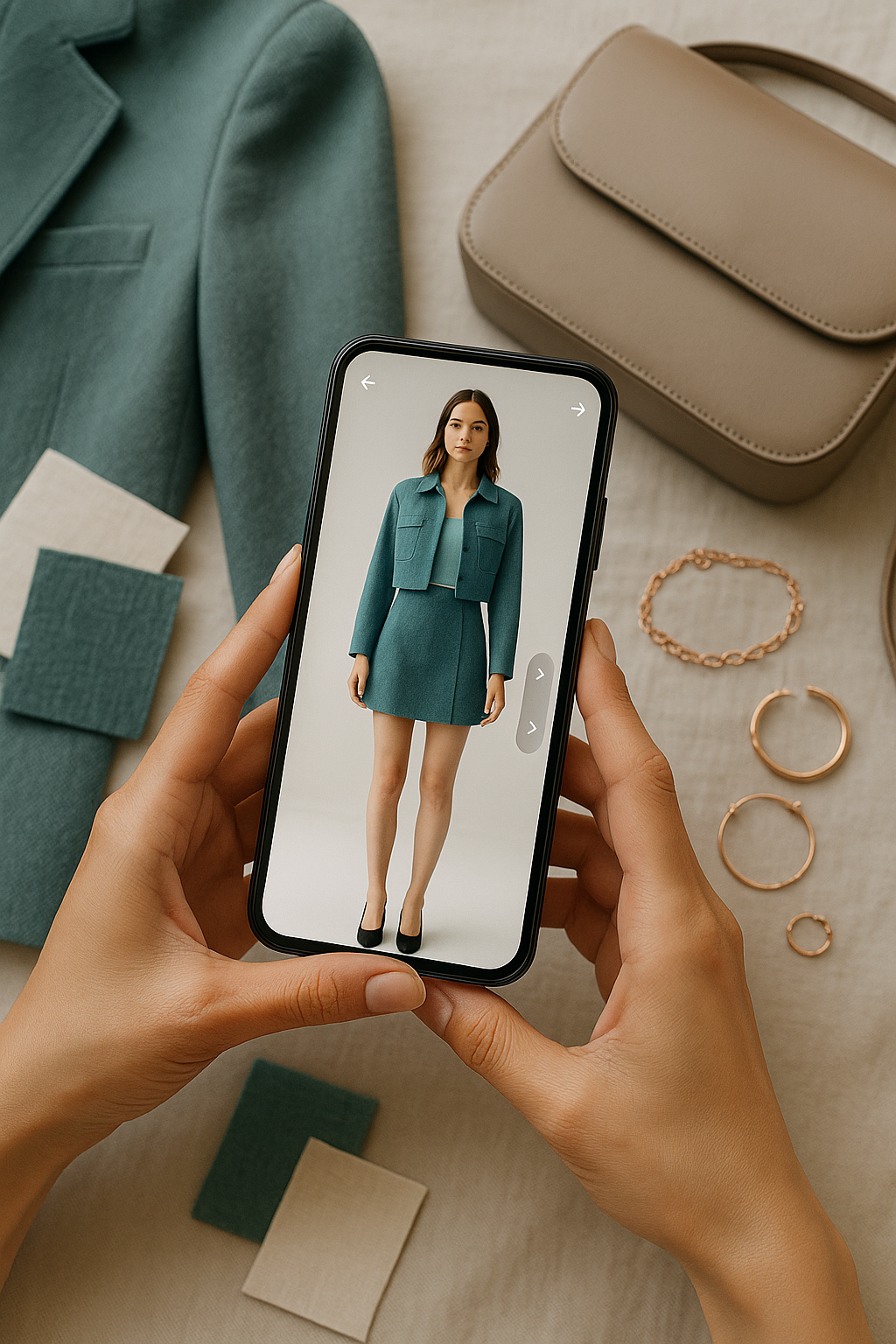
Fashion has always been a form of self-expression, but for Gen-Z, it’s more than that. It’s interactive, digital, and deeply personal. Today’s generation isn’t just scrolling through lookbooks or following influencers for inspiration-they’re trying on the clothes themselves, virtually, through the screen of a smartphone. Welcome to the future of fashion, where technology meets creativity and where virtual try-on experiences are redefining how people discover, experiment with, and purchase fashion.
From Passive Browsing to Active Experimentation
Not long ago, online shopping was about endless scrolling and guessing. You’d pick a size, hope it fit, and wait days for delivery-only to return half of it. For Gen-Z, that’s ancient history. This generation doesn’t want passive browsing; they want participation. They crave experiences that make them feel part of the process. And that’s where virtual try-on (VTO) technology shines.
Virtual try-ons allow shoppers to see how clothes look on them in real time using AI and augmented reality. Instead of imagining how a jacket might drape or if a pair of boots match their vibe, users can see the results instantly on their own digital self. It’s the perfect blend of technology and self-expression-two things Gen-Z lives for.
 LIVE FITTING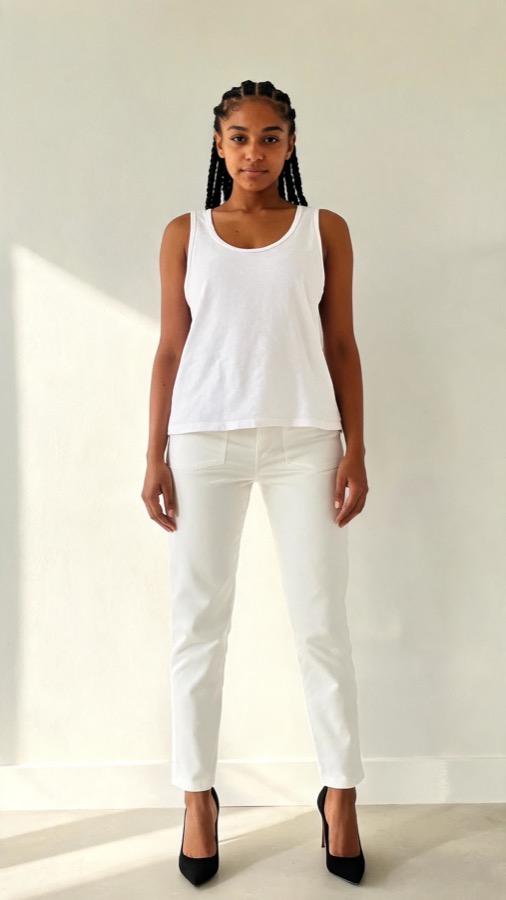

Why Interactivity Matters in Modern Fashion
Fashion used to rely on static visuals-flat photos, models with one look, and perfect lighting. But Gen-Z grew up on TikTok, Snapchat filters, and digital creativity. They expect interactivity in everything they do. Whether it’s personalizing sneakers, trying new hair colors through AR filters, or virtually trying on an outfit before posting it online, the process itself becomes a form of entertainment and exploration.
In essence, virtual try-on turns fashion into a dynamic experience. It empowers users to:
- Experiment freely without commitment or cost.
- Visualize fit and style instantly on their own body.
- Reduce uncertainty about online purchases.
- Share their looks with friends or followers for feedback.
Shopping becomes less about “buying” and more about “playing”-a digital playground where self-expression drives engagement.
The Technology Behind the Trend
At the heart of virtual try-on lies sophisticated AI and computer vision. These technologies analyze body shapes, lighting, and fabric behavior to render clothing in a realistic way. Some advanced systems even account for movement, showing how fabrics stretch or flow. What was once futuristic is now practical and accessible.
Apps like Tryfits AI are at the forefront of this transformation. With just a picture, users can see how clothes will look on them through realistic video try-ons. The app’s AI stylist, your stylist, even provides fashion advice to help users refine their style choices. It’s the kind of experience that feels like trying on clothes with a digital best friend who knows your aesthetic inside out.
From AR Mirrors to Mobile Try-Ons
Virtual try-on experiences started in physical retail environments. High-end brands installed AR mirrors that allowed shoppers to see different outfits on themselves without changing clothes. But Gen-Z took it a step further-bringing the technology into their hands. Now, mobile apps and web-based AR experiences make it possible to experiment anytime, anywhere. You no longer need to be in a store to experience fashion; you just need your phone.
Why Gen-Z Can’t Get Enough
Gen-Z’s fascination with virtual try-ons isn’t just about novelty-it’s about identity, sustainability, and self-expression.
1. Fashion as Digital Identity
For this generation, fashion isn’t limited to the physical world. Digital presence matters just as much. Whether it’s curating a look for Instagram, experimenting with virtual outfits for a TikTok video, or creating avatars that reflect their personality in metaverse-style platforms, fashion is how they communicate who they are. Virtual try-ons make that expression easier, faster, and more authentic.
2. Reducing Fashion Waste
Fast fashion’s environmental impact is one of Gen-Z’s biggest concerns. They value sustainability, but they also love experimenting with style. Virtual try-ons bridge this gap perfectly. By visualizing outfits before buying, users make smarter, more intentional purchases. This reduces returns, overconsumption, and unnecessary waste. It’s a digital solution to a global problem.
3. The Influence of Social Media
Social platforms drive fashion trends faster than ever, and Gen-Z is the fuel. Virtual try-ons enable instant participation in those trends. When an influencer posts a new look, fans can immediately try a similar outfit on themselves digitally. Apps like Tryfits AI take it further by letting users capture and share their own virtual outfit videos, creating a ripple effect of creativity and influence.
4. Confidence Before Commitment
Trying on clothes virtually gives users confidence before making a purchase. No more worrying about whether a color suits your tone or if a style matches your body type. Seeing it in motion on your own image eliminates the guesswork. This confidence translates to fewer returns and more satisfaction post-purchase-a win for both consumers and brands.
Real-World Examples: How Virtual Try-On Is Changing Shopping
Several fashion retailers have embraced virtual try-on to enhance customer experience:


- ASOS introduced virtual catwalks, letting users see outfits on models in motion, which boosted engagement and conversions.
- Warby Parker revolutionized eyewear shopping by letting customers virtually try on glasses, which drastically reduced return rates.
- Gucci and Snapchat partnered to create AR sneaker try-ons, allowing users to “wear” luxury shoes digitally before buying.
But it’s not just major brands. Individual creators are also using virtual try-on technology to build personal style portfolios, promote affiliate fashion links, and monetize their digital presence. With apps like Tryfits AI, anyone can create stunning outfit visuals without expensive photoshoots or professional modeling. The playing field is now open to anyone with creativity and a camera.
How to Make the Most of Virtual Try-On Experiences
If you’re new to virtual try-ons, here are a few ways to get the most out of them:
- Start with clear photos: Good lighting and neutral backgrounds help AI generate more accurate visuals.
- Experiment with styles: Try pieces you wouldn’t normally consider. You might discover new favorites without spending a cent.
- Use AI styling tools: Platforms like Tryfits AI feature smart stylists like your stylist, who can suggest outfit combinations and colors that suit your body shape and personal style.
- Share your looks: Use the virtual try-on as content inspiration for your social media. It’s a fun way to engage with followers and get feedback before buying.
- Be mindful of sustainability: Use try-ons to make intentional shopping decisions rather than impulsive ones.
How Virtual Try-Ons Are Reshaping the Fashion Industry
The shift toward interactive fashion experiences is transforming the industry from the inside out. Retailers are using try-on data to understand customer preferences better. Designers are using virtual fitting tools during the creation process. Even marketing is becoming more personalized, as AI can suggest outfits tailored to each user’s digital profile.
For brands, this means improved customer satisfaction, reduced returns, and more meaningful engagement. For shoppers, it means more freedom, creativity, and confidence in every purchase.
From E-Commerce to Experience Commerce
The evolution of fashion retail isn’t just about selling-it’s about creating experiences. Gen-Z doesn’t separate shopping from entertainment. They see both as part of one interactive journey. Whether browsing online or trying on virtually, the process becomes fun, expressive, and shareable. In this new era of “experience commerce,” the brand-consumer relationship is built not on transactions but on interaction.
The Future Is Hybrid: Where Physical Meets Digital
As virtual try-ons grow, they won’t replace in-store experiences entirely-they’ll enhance them. Imagine walking into a boutique where your virtual try-on profile syncs automatically. You can instantly see what pieces will fit best, preview alternative colors, or even try styles not in stock. The boundary between digital and physical shopping will blur completely, creating a seamless hybrid fashion experience.
This is especially exciting for Gen-Z, who value personalization. They want options, control, and the ability to express themselves across both worlds. Virtual try-on technology gives them exactly that freedom.
What This Means for the Next Generation of Shoppers
In the coming years, as AI continues to evolve, virtual try-ons will become even more realistic, accessible, and integrated with social media and e-commerce. Imagine AI suggesting outfits based on your calendar events or weather, or automatically pairing accessories that match your personal style preferences.
Gen-Z is setting the stage for a more interactive, inclusive, and creative fashion landscape. Their demand for authenticity and innovation is pushing brands to think beyond catalogs and collections-to think in experiences.
Conclusion: The Future of Fashion Belongs to the Interactive Generation
Gen-Z isn’t just influencing fashion-they’re reshaping it. Their obsession with virtual try-on experiences is a reflection of a deeper shift toward personalization, sustainability, and digital creativity. For them, fashion isn’t about fitting into trends; it’s about using technology to express individuality.
Virtual try-on tools like Tryfits AI make that possible by turning your phone into a personal fitting room. You can see how clothes look on you in motion, get real-time style advice, and experiment without pressure or waste. It’s not just convenient-it’s empowering.
Ready to see how that outfit looks on you? Try it for yourself with Tryfits AI and experience the future of fashion today.