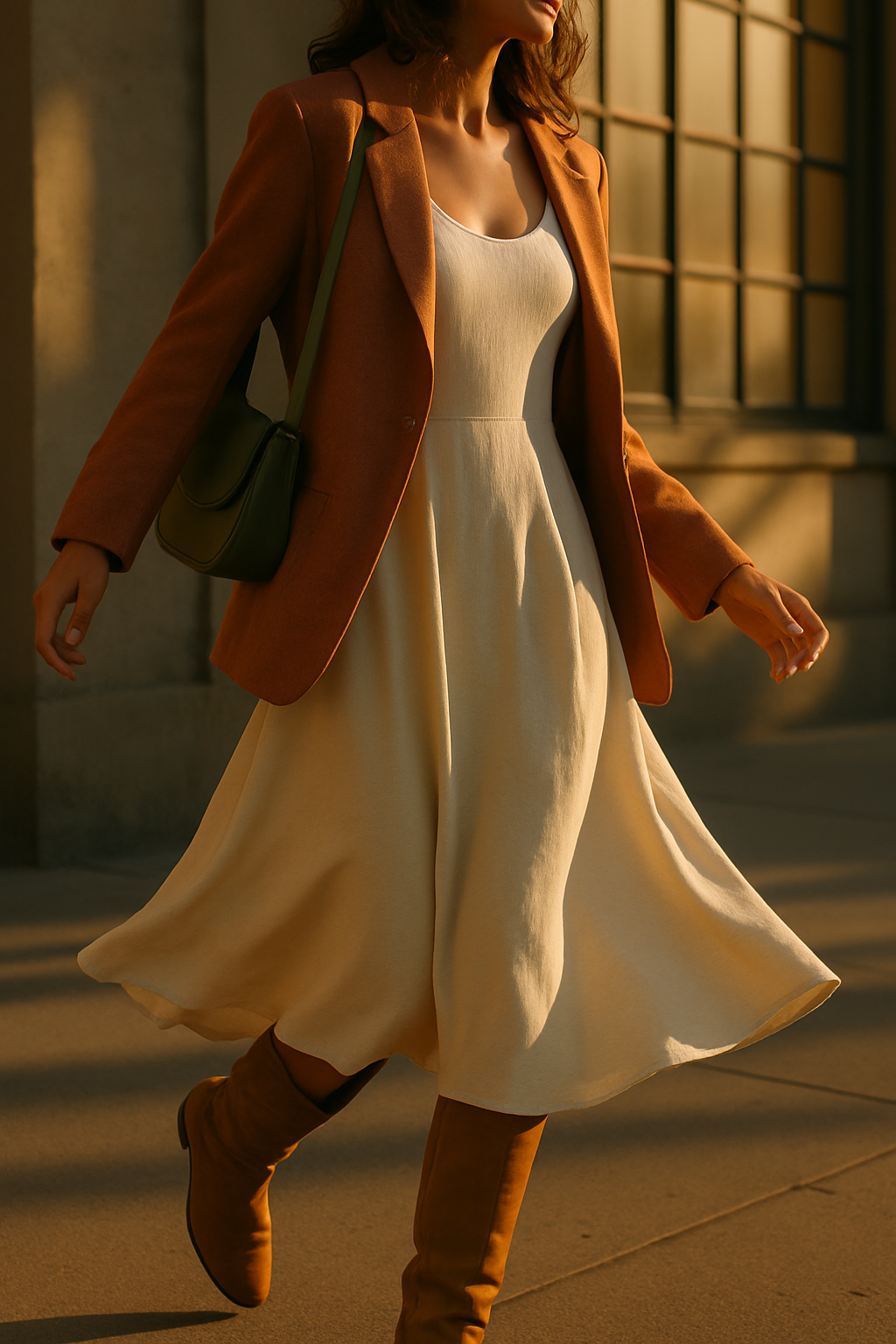

It’s a breezy morning in 2025. Mia stands in front of her mirror, holding up a gorgeous silk blouse she ordered online. But instead of wondering whether it will fit, she already knows – because she tried it on virtually last night. The AI tailor behind her favorite shopping app had scanned her posture, analyzed her movement, and even suggested a lighter version of the fabric that would drape better for her frame. When the blouse arrives, it fits perfectly, like it was made just for her. Because it was.
This is not a distant dream anymore. The fashion world has entered the era of the digital tailor – where artificial intelligence is redefining how clothes are designed, fitted, and personalized for every unique body shape. Right now, everyone’s talking about the shift toward AI-customized fashion, and for good reason. Let’s unpack how this technology is changing the game from the inside out.
The Rise of the Digital Tailor
What’s trending is the rise of a new kind of stylist: one that lives in your pocket, powered by algorithms and advanced 3D modeling. Traditional tailors once relied on tape measures and intuition. Today, AI tailors rely on data-driven precision – your body scans, movement patterns, and even skin tone preferences – to suggest and adjust designs that match your lifestyle.
 LIVE FITTING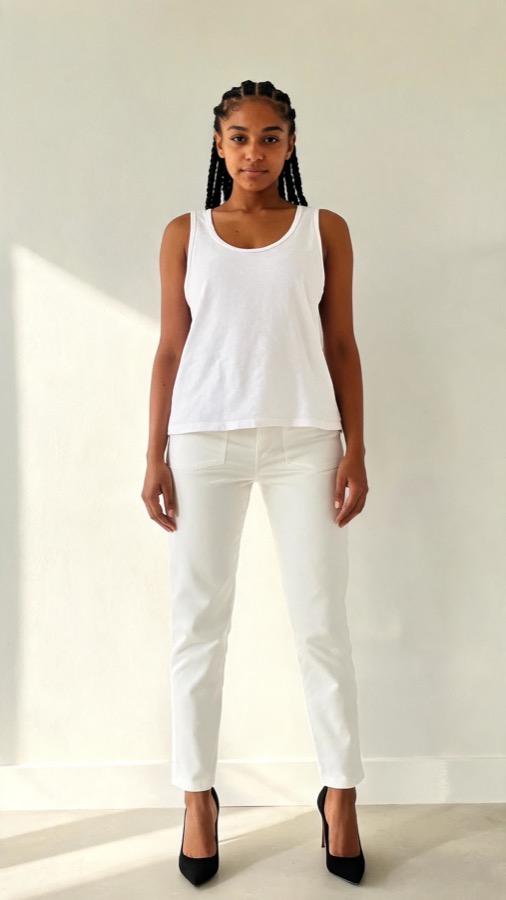

Leading brands are embracing these tools to minimize returns and improve customer satisfaction. With the help of deep learning, AI can now understand how different fabrics behave under various conditions, predicting how a material will stretch, breathe, or cling to different silhouettes. Imagine trying on a denim jacket online and having it digitally adjusted to your exact shoulder width and arm length before you even click “Add to Cart.”
A Personal Fit, Powered by Data
Every body is unique, and that’s where the magic of AI lies. By analyzing thousands of data points from body scans and fit feedback, digital tailors create a dynamic sizing model that evolves with the user. It’s not about choosing between “small,” “medium,” or “large” anymore. It’s about you-sized fashion.
Tryfits AI, for instance, uses computer vision and generative modeling to show users realistic try-ons in motion. You simply upload a picture, and within seconds, you can see how a garment looks and moves on your body. It’s like having a personal fitting room in your phone – only smarter.
Inside the Algorithm: How AI Customizes Fit and Fabric
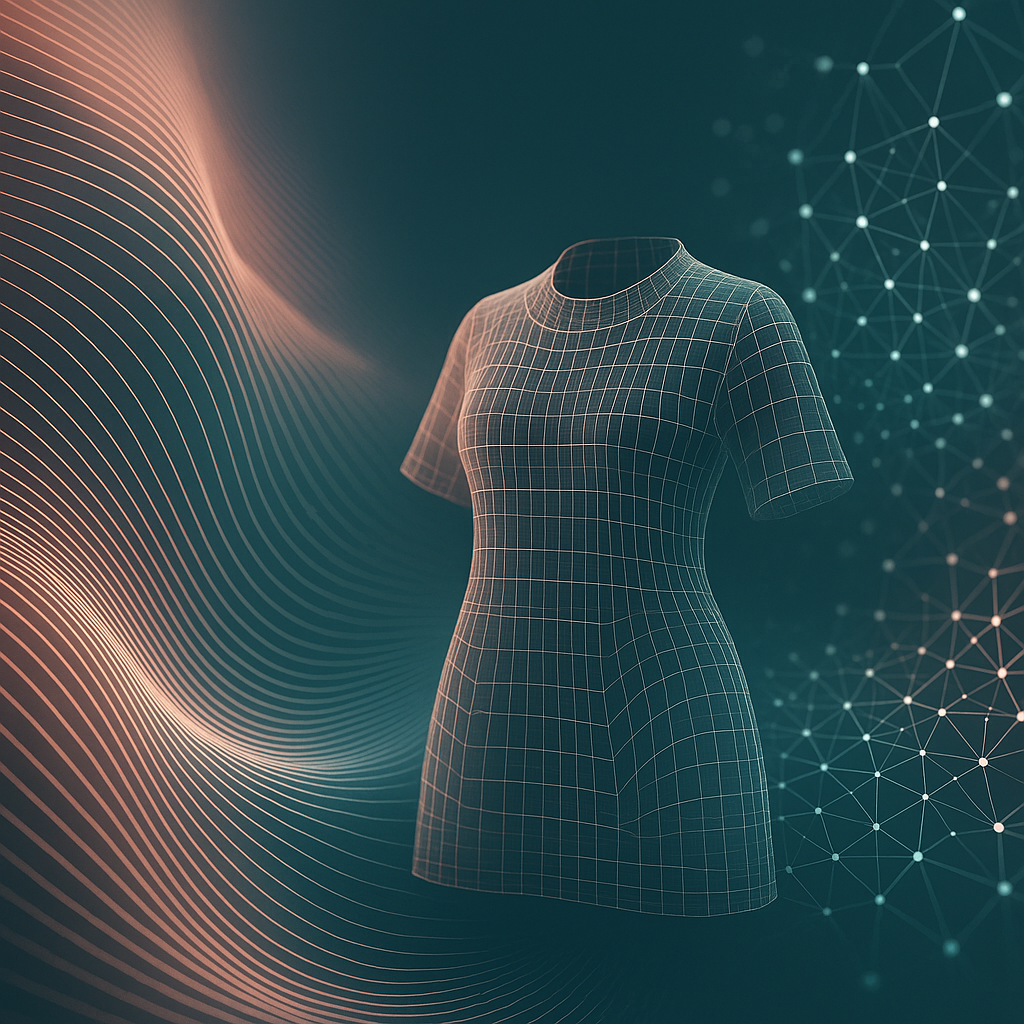
At the core of this transformation are three key technologies: 3D body scanning, fabric simulation, and adaptive pattern generation.
- 3D Body Scanning: Using your smartphone camera, AI can now capture accurate body metrics – not just your height and waist, but the way your shoulders slope or how your hips move when you walk. This data is then used to create an ultra-realistic digital avatar.
- Fabric Simulation: Machine learning models study how fabrics respond to different body shapes and movements. The result? You can “feel” the texture visually – seeing how silk drapes or how linen wrinkles in real time.
- Adaptive Pattern Generation: Once your body and fabric data are synced, AI adjusts sewing patterns automatically, ensuring that each piece fits perfectly, whether it’s a formal blazer or athleisure leggings.
Real-World Example: The AI-Driven Design Studio
Take the example of digital fashion houses like Revery.ai or digital-first labels experimenting with Tryfits AI integrations. Designers can now upload patterns, select fabrics, and instantly see how the design adapts across different body types. This not only saves time but also democratizes custom fashion, making personalized design accessible to more people.
From Off-the-Rack to Made-for-You: Why Customization Is Trending
The latest trend shows that personalization is no longer a luxury – it’s an expectation. Shoppers crave clothing that celebrates individuality and inclusivity. AI customization allows fashion brands to move away from the one-size-fits-all mentality and embrace body diversity.
Social media plays a big role too. With platforms like TikTok and Instagram spotlighting “fit check” videos and body positivity creators, audiences are demanding fashion that fits real people, not mannequins. AI-driven fitting helps bridge that gap, offering hyper-personalized garments that actually flatter the wearer.
Emotional Fit Matters Too
Customization isn’t just about numbers. It’s emotional. Imagine opening your wardrobe and knowing that every piece inside was designed with your body in mind. That kind of confidence is priceless – and that’s exactly what the digital tailor promises.
How AI Chooses the Right Fabric for You
In 2025, AI doesn’t just stop at fit. It also helps you choose the right fabric for your lifestyle. Whether you’re after breathability for summer or structure for a power look, AI algorithms factor in climate, occasion, and personal comfort data.
For instance, if you often buy workwear, your AI assistant might suggest wrinkle-resistant cotton blends or sustainable viscose that holds shape through long days. If your recent activity data shows an uptick in gym sessions, you’ll see more adaptive stretch fabrics in your recommendations. It’s fashion that learns and evolves with you.
Tryfits AI’s Smart Fabric Visualization
Tryfits AI takes it one step further by simulating how each fabric looks and flows on your body. You can see side-by-side comparisons of materials before making a choice, helping you make confident, sustainable purchasing decisions. No more guessing whether that satin dress will cling or that knit top will stretch – you’ll see it all before you buy.


Ethical and Sustainable Implications
Beyond convenience, digital tailoring also supports sustainability. With better sizing accuracy, return rates are dropping, cutting down on waste from discarded inventory. AI also optimizes fabric usage during production, reducing excess material.
Moreover, as more brands shift to on-demand manufacturing, consumers can enjoy customized garments without overproduction. It’s the perfect marriage of technology, creativity, and conscience.
Less Waste, More Conscious Choices
What’s trending is conscious consumption. People want to invest in fewer, better pieces that last longer and feel like “them.” By reducing ill-fitting purchases and promoting mindful design, AI is not just improving fashion – it’s reshaping it into a force for good.
Frequently Asked Questions
How does AI know my body type?
AI uses computer vision and body-mapping algorithms to analyze photos or videos. It creates a 3D model of your body, then compares it with thousands of similar profiles to predict the most accurate fit.
Is my data safe?
Reputable platforms like Tryfits AI prioritize privacy and security. Your body data is processed anonymously and never shared without consent. Most systems delete image data after generating the model.
Can AI really replace a human tailor?
Not exactly. AI enhances what tailors do best – precision and personalization. It can handle complex measurements faster, but the human touch still matters in design and creativity.
Do I need special equipment?
No. Most AI fashion tools only need a smartphone camera. Apps like Tryfits AI make the process as simple as taking a selfie and uploading it to the platform.
Will this technology make fashion more expensive?
Initially, custom-fit AI garments were premium, but prices are rapidly decreasing as adoption grows. In many cases, digital fitting helps save money by preventing returns and sizing mistakes.
The Future of Fit: Fashion That Knows You
As AI continues to learn from user data, it will soon be able to anticipate what you’ll love before you even search for it. Think of it as your personal stylist, designer, and tailor – all rolled into one intelligent assistant.
In the next few years, expect to see hyper-personalized fashion lines, digital wardrobes synced with virtual closets, and even AI co-designing collections with consumers in real time. The future of fashion is not just smart – it’s empathetic, inclusive, and deeply personal.
Conclusion: Step Into Your Perfect Fit
The digital tailor is no longer a concept – it’s your new fashion ally. With the power of AI, every garment can now be tailored to your body, your taste, and your lifestyle. This technology doesn’t replace individuality; it amplifies it.
So, the next time you’re scrolling for your next outfit, don’t just guess your size – see it, feel it, and fit it virtually. Try tools like Tryfits AI to experience realistic video try-ons and AI-powered styling advice. Ready to see how that outfit looks on you? Your digital tailor is waiting.