Imagine never having to guess your size again, never worrying whether that stunning jacket or chic dress will fit when it arrives. In 2025, the world of fashion is evolving faster than ever, and one of its most transformative innovations is AI-powered virtual fitting. Whether you’re a style enthusiast or a professional shopper, the ability to see how clothes truly fit before buying them isn’t just a convenience – it’s a revolution.
This deep-dive guide unpacks how virtual try-on technology works, why accuracy matters, and how you can use AI tools like Tryfits AI to get the perfect fit every time. Let’s explore the science, technology, and strategy behind achieving flawless virtual sizing accuracy.
Understanding the Technology Behind Virtual Fitting
What Is Virtual Fitting and Why Does It Matter?
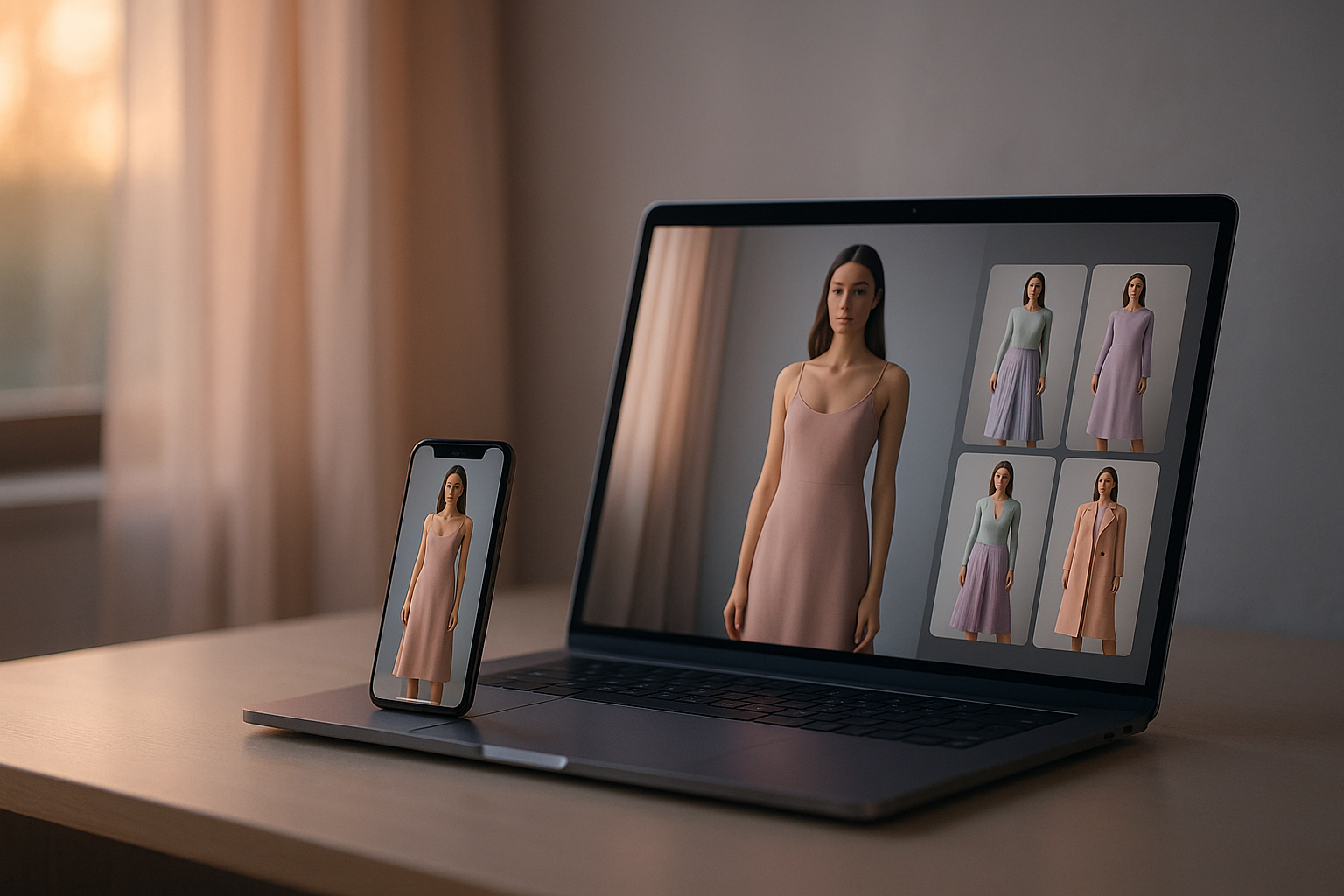
Virtual fitting uses artificial intelligence and computer vision to simulate how clothing would fit and drape on your body. Instead of relying on static size charts or risky online guesses, this technology creates a 3D model of you to virtually “try on” outfits in real time. It merges your body data with garment specifications, allowing you to visualize proportions, textures, and fits before clicking ‘buy’.
 LIVE FITTING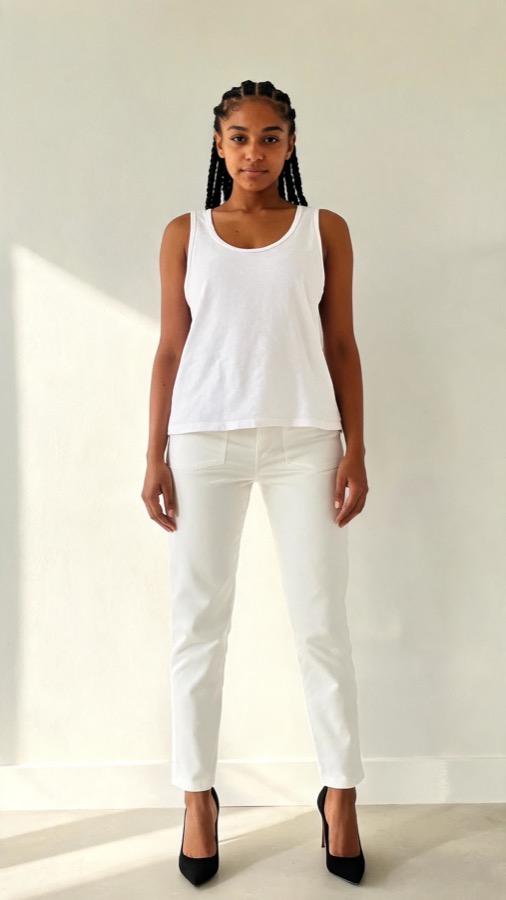

The reason this matters is simple: sizing inconsistency is one of the biggest frustrations in online shopping. A “medium” can vary wildly between brands, and return rates often spike because items don’t fit as expected. Virtual fitting bridges that gap, helping shoppers make informed decisions while boosting sustainability by reducing waste from returns.
How AI Creates Your Digital Fit Model
Most modern AI fitting tools rely on two main technologies:
- Body Scanning via Photos or Video: AI analyzes simple smartphone images to detect body shape, height, and measurements with surprising precision.
- 3D Garment Simulation: Each garment’s fabric physics and pattern data are used to realistically simulate stretch, movement, and drape on your model.
For example, Tryfits AI lets users upload a single picture to instantly generate a 3D visualization of themselves. The AI doesn’t just match measurements – it predicts how a fabric behaves under real-life conditions like movement and light, delivering a realistic and accurate try-on experience.
The Core Factors Influencing Sizing Accuracy
1. The Quality of Your Input Data
AI is only as good as the data it receives. To achieve the most accurate fit, your uploaded photo or measurements must be clear, consistent, and true to your current body dimensions. Even small errors can create noticeable deviations.
- Use bright, even lighting when taking your photo.
- Stand in a neutral pose with arms relaxed at your sides.
- Wear form-fitting clothing to help the AI detect contours accurately.
Think of this step as your foundation – the clearer your data, the better your AI-generated model will be.
2. Fabric Behavior and Material Simulation
Different materials interact with the body in unique ways. AI-powered systems that integrate fabric physics create a far more accurate visualization. For example, silk drapes gently, denim holds its shape, and knitwear expands. When AI understands this, it can replicate how clothes move with your body rather than simply overlaying textures.
Tryfits AI excels in this area by mapping garment behavior to your body’s proportions. It captures realistic fabric flow, ensuring you can see not just if it fits, but how it fits in motion.
3. Body Shape vs. Size Charts
Traditional size charts focus only on measurements – chest, waist, hips. But AI understands body shape. This distinction matters because two people can share identical measurements yet look completely different in the same outfit.
- Body type recognition: AI detects proportions and identifies fit zones (e.g., shoulders, waist, length).
- Pattern adaptation: It adjusts the virtual garment to match your body’s silhouette rather than using static dimensions.
It’s no longer about finding a size that fits “most people” – it’s about finding a fit that’s tailored to you.
From Visualization to Precision: The Stages of an Accurate AI Fit
Step 1: Image Capture and Calibration
Start with a clear, well-lit image. Modern AI tools like Tryfits AI require only one photo but use advanced depth mapping to infer 3D structure. Some platforms may use a brief video scan to improve depth accuracy.
Calibration ensures your model’s proportions align correctly with real-world measurements. This is why standing straight and ensuring the camera is level with your body is critical.
Step 2: Garment Mapping and Fit Simulation
Once your virtual model is built, AI applies the digital garment pattern. This pattern includes the garment’s cut, seams, and material flexibility. Through advanced simulation, the system predicts how each piece behaves under gravity and movement.
For instance, a fitted blazer will show tension around the shoulders if it’s too small, while relaxed denim will visually loosen around the hips. These micro details help you understand whether to size up, down, or stick with your regular size.
Step 3: Realistic Rendering and Lighting
AI-powered fitting doesn’t stop at size – it incorporates rendering techniques to simulate real-world lighting. The result? You can see shadows, folds, and reflections as they would appear naturally. This makes virtual try-ons feel lifelike, especially when viewed in video mode, as offered by Tryfits AI.


Step 4: AI-Powered Feedback and Recommendations
Once the try-on is complete, the AI compares your fit data against thousands of past patterns and recommends optimal sizing. It might suggest, for example:
- “This style runs small – consider one size up.”
- “Perfect fit at your current size, with comfort around the hips.”
- “Sleeves may feel short; try a longer length variant.”
This guidance transforms online shopping from guesswork into personalized precision.
Practical Ways to Maximize Virtual Fitting Accuracy
1. Use Consistent Lighting and Angles
Lighting inconsistencies can throw off measurement detection. Always take your reference photo in daylight or bright indoor light, ensuring shadows are minimal. Avoid tilting the camera – use a tripod or prop it on a surface at chest height for the most accurate perspective.
2. Update Your Model Regularly
Your body changes over time. Regularly refreshing your AI model ensures your virtual try-ons stay accurate. Most apps allow easy re-calibration within seconds.
3. Compare Multiple Brands Through One Platform
AI fitting tools aggregate sizing data across brands. Using a unified platform like Tryfits AI helps you compare how different brands interpret “medium” or “large,” so you can make more consistent purchasing decisions.
4. Test with Different Outfit Categories
Accuracy can vary depending on garment type. Try scanning different categories – such as outerwear, dresses, or jeans – to understand how each material behaves. This gives you a more holistic view of your sizing profile.
5. Trust the AI Insights
It’s tempting to stick with what you’ve always ordered, but AI data can reveal fit preferences you didn’t know you had. When the system recommends a slightly different size or cut, test it virtually first. You might discover a better fit or style match.
The Future of AI-Powered Sizing: Where Innovation Is Headed
Next-Gen Fit Intelligence
Emerging systems will soon go beyond visuals. Expect AI to analyze your posture, gait, and personal style to suggest fits that complement your movement and confidence. This next evolution is not just about looking good – it’s about feeling right in every outfit.
Integration with Smart Garments
Future fashion brands are developing smart fabrics with built-in sensors that feed data directly into virtual fitting platforms. Imagine trying on clothes that self-adjust digitally to your preferences before you buy them. It’s not science fiction – it’s the next phase of AI-driven fashion.
Personalized Style Curation
Beyond sizing, tools like Tryfits AI are integrating virtual stylists powered by advanced algorithms. Your stylist, the AI fashion assistant, can recommend full outfits that flatter your proportions and reflect your aesthetic preferences. You’re not just getting fit advice – you’re getting a digital stylist who knows your wardrobe better than you do.
Key Takeaways and How to Get Started
Perfect sizing accuracy is no longer a dream reserved for luxury shopping experiences. Thanks to AI, anyone can enjoy personalized, precise, and empowering fashion choices from the comfort of their phone. By embracing virtual fitting technology, you’re stepping into a future where confidence and convenience coexist.
- Understand the technology: Learn how AI and 3D modeling create accurate virtual fits.
- Optimize your input: Take clear, well-lit photos and keep your data updated.
- Use trusted tools: Platforms like Tryfits AI combine realism, fabric physics, and smart recommendations for unparalleled accuracy.
- Experiment and explore: The more you engage with AI try-ons, the better the system learns your preferences.
It’s time to redefine your shopping experience. No more sizing guesswork, no more disappointing fits – just style that feels right every time.
Ready to see how that outfit looks on you? Try the power of AI-driven virtual fitting with Tryfits AI today and experience your most confident, accurate, and stylish self yet.