Trends & Culture: Beyond the Feed: Why Digital Fashion Is Becoming the New Status Symbol in 2025
In 2025, status no longer lives solely in closets or on wrists. It lives on screens, in feeds, and inside virtual wardrobes. The rise of digital fashion has transformed the meaning of personal style. What was once defined by luxury logos and limited collections is now expressed through digital garments, AI-generated outfits, and virtual try-ons shared across social media platforms. But this transformation also brings new challenges: authenticity, accessibility, and understanding how to stand out in an increasingly virtual world.
This shift is reshaping how people express identity and success online. If your digital self is the one most people see, what does it mean to look fashionable in pixels instead of fabric? Let’s explore the growing influence of digital fashion, why it matters, and how you can adapt to this new landscape.
 LIVE FITTING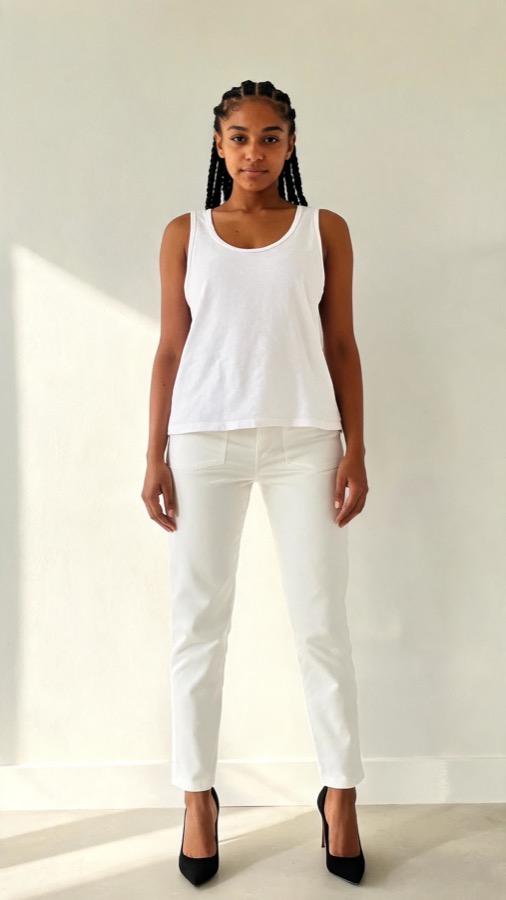

The Problem: Traditional Fashion Can’t Keep Up With Digital Lifestyles
Fashion has always been about self-expression, but the digital age has redefined the pace of trends. Social media platforms like Instagram, TikTok, and emerging virtual spaces have created an environment where style changes daily, not seasonally. This velocity leaves traditional fashion struggling to keep up. Physical garments require production, logistics, and inventory, while digital fashion pieces can be created, worn, and shared instantly.
Consumers now seek instant gratification. Research shows that 62% of Gen Z shoppers are more interested in how their outfit looks in a post than how it feels in person. The problem is clear: physical fashion cannot meet the speed, flexibility, and sustainability demands of digital-first generations. The modern consumer wants the ability to experiment without waste and to flex their identity online without overspending or overconsuming.
Why It Matters
The impact goes beyond vanity. Digital fashion reduces waste, lowers carbon footprints, and democratizes access to high-end looks. For many creators and consumers, it’s a way to participate in fashion culture without the barriers of geography or price. Yet, the transition also brings confusion. What is “real” style when most of what we see is virtual? And how can people curate their digital appearance authentically while embracing this new technology?
Solution 1: Embrace Virtual Try-Ons to Bridge Physical and Digital Style
One of the most accessible solutions for individuals and creators is the rise of AI-powered virtual try-on technology. Platforms like Tryfits AI allow users to upload a simple photo and see how any outfit looks on them in seconds. This technology bridges the gap between physical and digital fashion by helping users visualize how garments fit their unique shape and style in real-world scenarios.
Industry experts agree that realistic virtual try-ons will soon become a standard step in online shopping. They not only improve purchase confidence but also allow for creative expression. Imagine trying on a couture digital dress or experimenting with bold streetwear virtually, without spending a cent or leaving your home.
Practical Example
Consider a fashion influencer planning a week of social media content. Instead of buying multiple outfits, they use Tryfits AI to create high-quality video try-ons featuring different styles, colors, and silhouettes. This approach saves money, reduces waste, and keeps their feed fresh and dynamic. The same logic applies to everyday shoppers deciding between online items-they can preview their look and make smarter choices.
Solution 2: Redefine Status Through Digital Ownership and Identity
Traditional fashion defined status through scarcity: limited-edition drops, luxury logos, and exclusive collaborations. Digital fashion is rewriting that rulebook. In 2025, the new status symbol is creativity and originality. People are showcasing unique digital garments, some authenticated as NFTs, others custom-designed by AI tools. The key factor is no longer the brand’s price tag but the distinctiveness of one’s virtual style.
Research shows a growing appetite for digital exclusivity. Consumers value pieces that exist only in virtual spaces, whether worn in an augmented reality video or shared as part of a digital collection. In gaming environments, for instance, digital fashion brands collaborate with developers to release limited virtual wearables-status items for avatars, not humans.
Actionable Tip
Start small by curating a digital wardrobe. Save or screenshot looks that align with your identity and mood. Platforms like Tryfits AI can help you visualize how digital pieces translate to your personal aesthetic, giving you a sense of ownership and creative control over your online image.
Solution 3: Leverage AI Styling for Smarter Fashion Choices
AI styling tools are becoming the personal stylists of the digital age. Instead of endless scrolling through online stores, these systems analyze your preferences, past outfits, and even your social media aesthetic to recommend what suits you best. They bring the expertise of a professional stylist into your pocket.
Tryfits AI’s virtual assistant, your stylist, exemplifies this evolution. Your stylist offers personalized outfit recommendations based on your uploaded photos, helping you find flattering pieces that align with your goals-whether that’s building a minimalistic digital wardrobe or experimenting with futuristic trends. This kind of AI integration turns styling into a data-driven, user-friendly process.
Practical Example
Say you’re preparing for a virtual conference. Your stylist can help you choose digital or physical outfits that project professionalism while aligning with your brand image. The advice is not random; it’s based on your body shape, lighting conditions, and even color preferences detected from your past looks. The result is more confidence and less decision fatigue.


Solution 4: Create Content That Reflects Digital Style Evolution
For influencers and creators, digital fashion isn’t just a trend-it’s a creative frontier. Integrating virtual try-ons and AI styling into your content can dramatically increase engagement. Audiences crave novelty, and showing how technology enhances your style narrative positions you as a forward-thinking creator.
Industry reports show that posts featuring virtual or AI-styled outfits have higher interaction rates, especially among younger audiences fascinated by the intersection of tech and fashion. Viewers enjoy the futuristic aesthetic, and brands see it as a sign of innovation and adaptability.
Actionable Tip
Start a series on your platform comparing digital and real-world versions of your outfits. Share insights on how AI tools like Tryfits AI help you preview and plan your content. This transparency builds trust while showcasing your expertise in fashion’s next evolution.
Common Mistakes to Avoid
- Ignoring authenticity: Overusing digital filters or AI enhancements can make your style appear detached from reality. Balance creativity with realism.
- Chasing trends blindly: Digital fashion moves fast, but your virtual wardrobe should still reflect personal taste, not just hype.
- Overcomplicating technology: You don’t need advanced software to start experimenting. Tools like Tryfits AI simplify the process so anyone can participate.
- Neglecting your audience: Viewers connect with relatable stories. Explain why a digital outfit represents you, not just how it looks.
- Forgetting sustainability: One major benefit of digital fashion is reducing waste. Avoid promoting excessive virtual consumption for the sake of likes.
Solution 5: Build a Balanced Hybrid Wardrobe
The most successful approach blends digital experimentation with thoughtful physical purchases. Research shows that consumers who use virtual try-ons are 40% more likely to make sustainable decisions, purchasing fewer but higher-quality garments. The balance lies in using digital fashion as a testing ground for real-life style investments.
With Tryfits AI, you can visualize combinations before committing-testing how a blazer pairs with a skirt, or how different color palettes match your tone. Over time, this reduces returns, saves money, and sharpens your understanding of your own aesthetic.
Actionable Tip
Set a monthly “virtual styling session.” Use AI tools to explore outfits, then shortlist items that align with your long-term wardrobe goals. Treat it as research rather than impulse shopping. Over time, your digital wardrobe becomes a strategic style blueprint.
Solution 6: Prepare for the Future of Fashion Social Capital
As digital fashion evolves, so will its social meaning. Brands are already experimenting with augmented reality events, virtual fittings, and exclusive digital collections. Owning or showcasing certain pieces online will soon carry similar prestige to wearing a luxury bag at a gala. The difference is that this status is global, not limited by physical location.
Industry experts predict that by 2027, digital fashion will represent a multibillion-dollar segment of the fashion industry. Early adopters who learn how to navigate and curate their digital image today will benefit tomorrow, whether as creators, influencers, or professionals in virtual spaces.
Practical Example
Just as influencers once gained status through early adoption of Instagram aesthetics, the new wave of digital tastemakers will rise by mastering the art of digital styling and AI-powered fashion expression. Understanding this now means positioning yourself ahead of the curve.
Conclusion: Fashion Status, Redefined
The digital fashion revolution is not a passing trend; it’s a paradigm shift. Style is no longer confined to fabric and seams but expanded through data, pixels, and algorithms. The most influential fashion icons of 2025 are those who understand how to merge authenticity with innovation, creativity with technology.
If you want to participate in this transformation, start small. Experiment with virtual try-ons, explore AI styling, and embrace digital self-expression. The key factor is not owning the most expensive item but curating a style that reflects who you are across every dimension-real or virtual.
Ready to see how that outfit looks on you? Experience the future of fashion today with Tryfits AI. Upload your photo, explore realistic video try-ons, and discover how effortlessly digital fashion can enhance your real-world wardrobe.