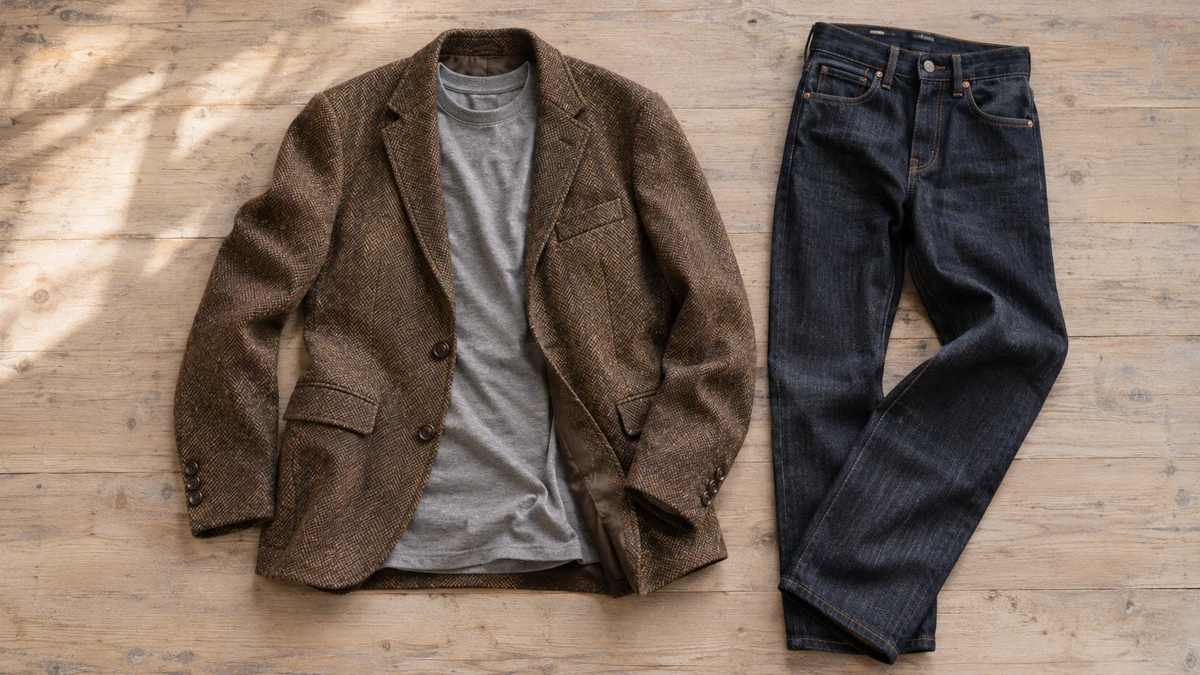
To wear heritage country dressing in the city, combine one countryside reference, such as a tweed coat or corduroy trousers, with straightforward clothes you already wear. A brown herringbone jacket over a grey T-shirt and dark jeans is an easy starting point. You do not need riding boots, a checked scarf and a matching waistcoat to make the look work.
There is a specific current signal behind this direction. In its article published on 2 November 2026, Marie Claire UK revisits its Autumn/Winter 2026 trend report’s description of “clothes made to be worn in a green and pleasant land,” pointing to kilts and coats. That is an editorial signal for heritage-country styling, not evidence that everyone is buying an entirely rural wardrobe.
The practical question is how those substantial fabrics and traditional shapes look on you. A textured coat can feel beautifully relaxed with jeans but unexpectedly formal over tailored trousers. Before buying, compare the same outfit with two outer layers, keeping your shoes and base clothes unchanged so you can judge the difference.
 LIVE FITTING
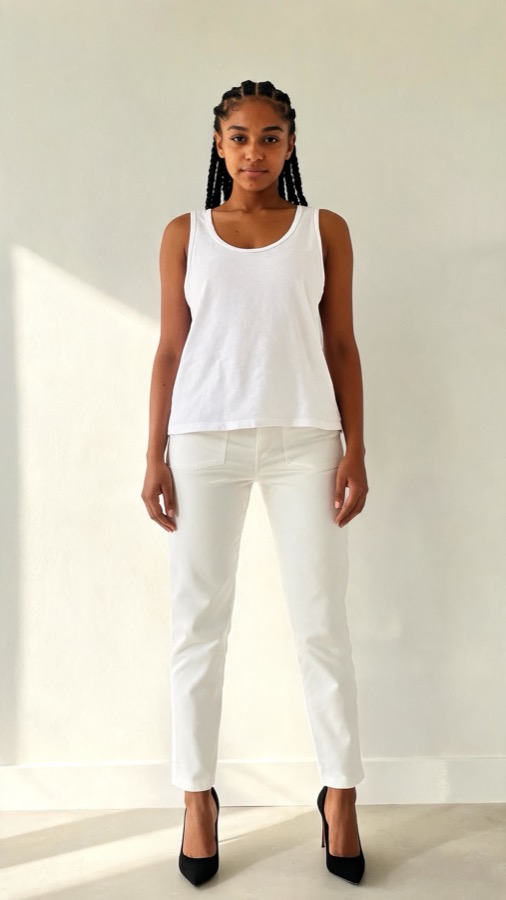

Start with texture rather than a complete country outfit
This approach works through fabric as much as pattern. Herringbone wool, brushed Shetland-style knitwear and ribbed corduroy introduce the country reference without requiring a large tartan print. Choose one of those textures first, then give it a smooth cotton or fine-knit neighbour.
For example, wear chocolate corduroy trousers with a white cotton T-shirt, a navy crewneck and plain leather trainers. The trousers provide the reference; the rest feels familiar. If you prefer skirts, try a charcoal wool wrap skirt with a black jersey top and simple ankle boots.
Keep your first colour combination narrow. Olive with grey, tobacco with navy, or charcoal with cream lets the fabric remain visible without competing colours. You can also skip earthy shades entirely: a grey herringbone coat over black clothes still captures the idea.
Three city outfits built around one heritage piece
A tweed jacket for commuting
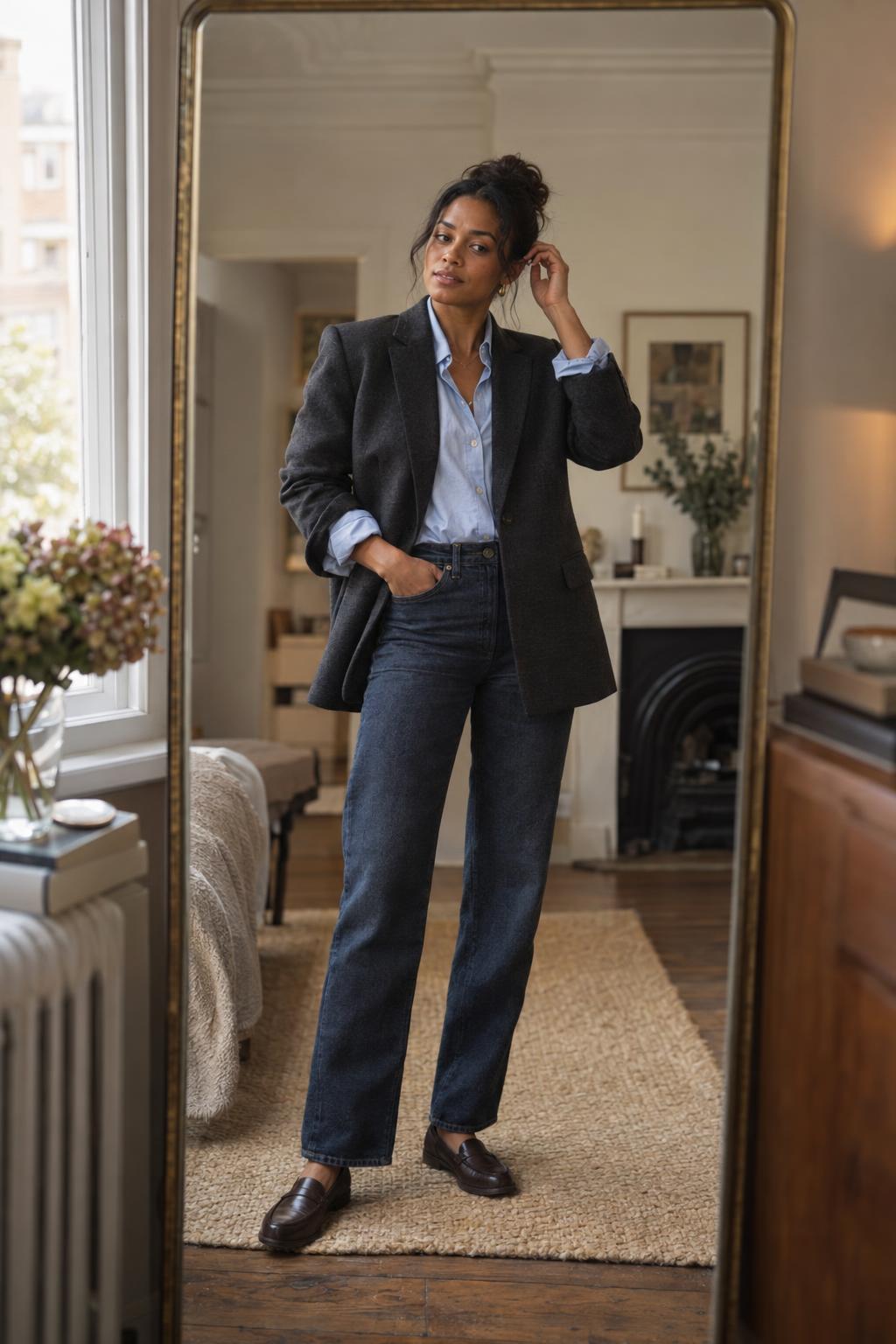
Choose a softly structured brown tweed jacket that leaves room for a fine jumper. Add a pale blue cotton shirt, dark straight jeans and black leather ankle boots. The clean denim keeps the jacket from reading like part of a traditional suit, while the shirt makes it suitable for a relaxed office.
Check the jacket with your normal work bag across your shoulder. Thick tweed, a padded shoulder and a wide bag strap can crowd the upper body and restrict movement. If the combination feels cumbersome, switch to a lighter jacket or carry a handheld bag rather than sizing down until the sleeves pull.
A wool wrap skirt for lunch or a gallery visit
Try a muted olive or charcoal wrap skirt with a fine black roll-neck and flat leather boots. A skirt with an overlapping front and restrained fastening offers a gentle reference to the kilts mentioned in the trend coverage. Avoid adding decorative pins and several buckled accessories if you want a quieter outfit.
A wrap skirt needs a seated check as well as a standing one. Sit, climb a step and take a long stride to assess the overlap. For a windy commute, choose a securely fastened design with generous coverage, or substitute a conventional wool A-line skirt.
Corduroy trousers for an everyday weekend
Wear straight or gently tapered olive cords with a grey sweatshirt and a navy raincoat. Finish with dark trainers or walking shoes suited to your route. The sweatshirt makes the textured trousers feel casual without turning the whole outfit into outdoor equipment.
Watch where the trouser hem meets the shoe: substantial corduroy can form a bulky stack over a low trainer. Our guide to straight leg trouser lengths explains how different breaks change that meeting point. Try the trousers with your actual shoes before deciding on alterations.


Choose fabrics for your weather and daily routine
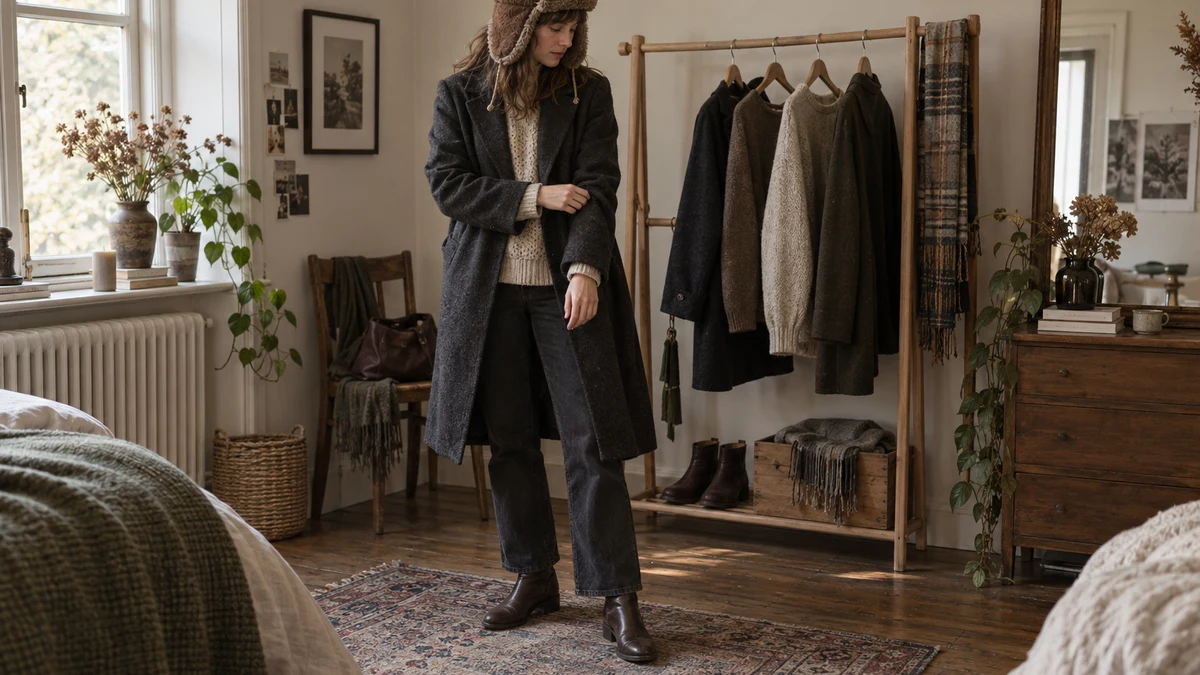
A dense wool coat is useful for a cold, mostly dry day, but a heritage appearance does not guarantee weather protection. Check the garment’s stated water resistance rather than assuming a country-style jacket will handle prolonged rain. For a wet commute, wear a practical waterproof coat over a textured knit instead.
In milder weather, use cotton corduroy or a lightweight textured jacket rather than heavy wool layers. Inside heated offices, a fine merino jumper is easier to accommodate beneath tailoring than a thick cable knit. If wool irritates your skin, try a cotton knit or a lined jacket over long sleeves.
Secondhand shopping can provide interesting fabric and construction without requiring a designer purchase. Inspect elbows, pocket edges and linings for wear, and check care labels before committing. An inexpensive wool jacket becomes less convenient if it needs specialist cleaning more often than your routine allows.
Compare the silhouette before adding accessories
When deciding how to wear heritage country dressing, change one proportion at a time. Compare a hip-length tweed jacket with a longer coat over the same jeans. Then compare a fine jumper with a thicker one, rather than changing your entire outfit between looks.
TryFits AI can provide a visual comparison of store finds and clothes from your own wardrobe on your digital twin. Use that preview to consider colour placement and the overall outline. Physical checks still establish whether wool scratches, a waistband presses when seated, or a sleeve has enough room to bend comfortably.
Keep accessories functional at first. A plain leather bag and a solid-colour scarf usually provide enough finish alongside textured clothing. If you are choosing between leather colours, our guide to whether your belt should match your bag offers examples without requiring an identical set.
Common questions
How do you wear heritage country dressing without looking costume-like?
Start with one recognisable piece and keep the supporting clothes simple. Pair a tweed jacket with dark jeans and a cotton top, or corduroy trousers with a sweatshirt. If the outfit feels too themed, remove the accessory with the strongest country association before replacing the main garment.
Can you wear heritage country dressing to work?
Yes, where your workplace allows separates or smart casual clothing. A subtle herringbone jacket over navy trousers is a useful option; choose a fine knit underneath to limit bulk. For a formal office, keep the texture restrained and follow your usual tailoring standards rather than introducing casual outdoor layers.
What shoes work with heritage country outfits?
Plain ankle boots, loafers and minimal leather trainers work with the city combinations here. Choose the sole for your route: grippy rubber is more practical than smooth leather on wet pavements. With a wool skirt, test the boot shaft against the hem while walking so neither catches or bunches.