Virtual try on for clothing alterations can help you explore a different silhouette before you commit to cutting fabric. It cannot tell a tailor exactly where to cut, confirm seam allowance or guarantee that a proposed alteration will work. With TryFits AI, use the preview to clarify the look you want, then have the actual garment assessed.
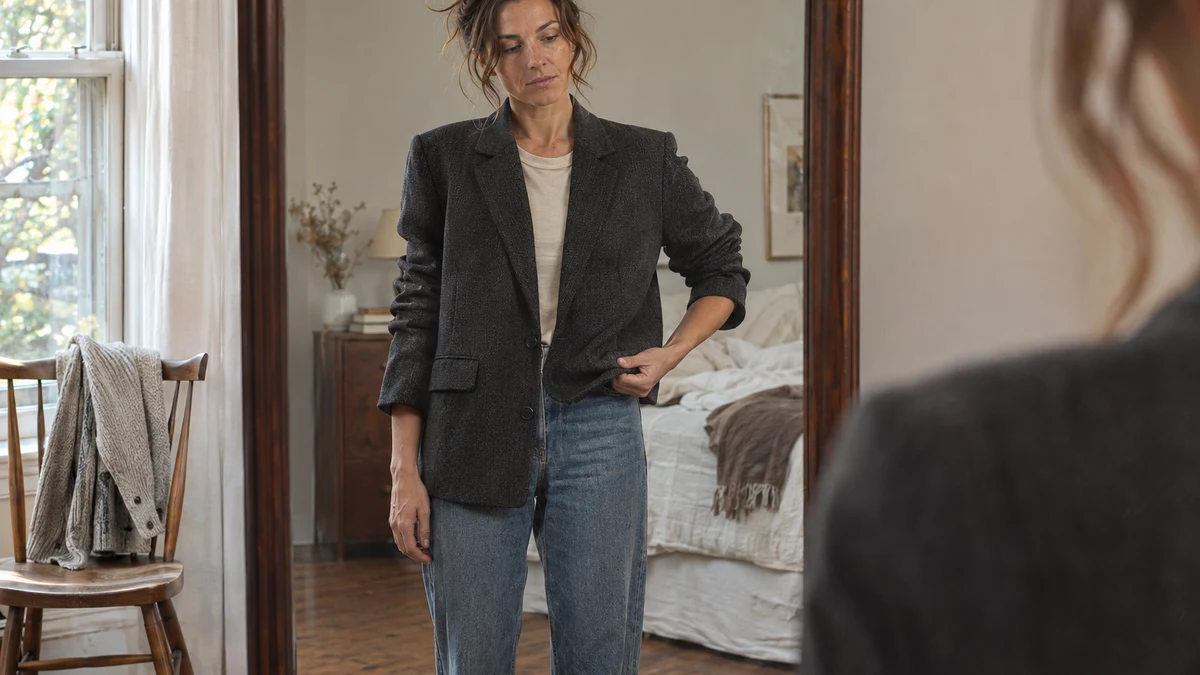
Perhaps a midi dress feels too formal, or a secondhand blazer would get more wear with a shorter hem. The question is not simply whether the garment fits. It is whether changing it would make it work with your shoes, your other clothes and the places you actually go.
Before paying for alterations, separate the visual decision from the construction decision. Seeing a shorter dress concept on your digital twin can help answer, “Do I prefer this length?” Only an inspection of the real dress can answer, “Can this particular piece be shortened cleanly?”
 LIVE FITTING

What TryFits AI can contribute to an alteration decision
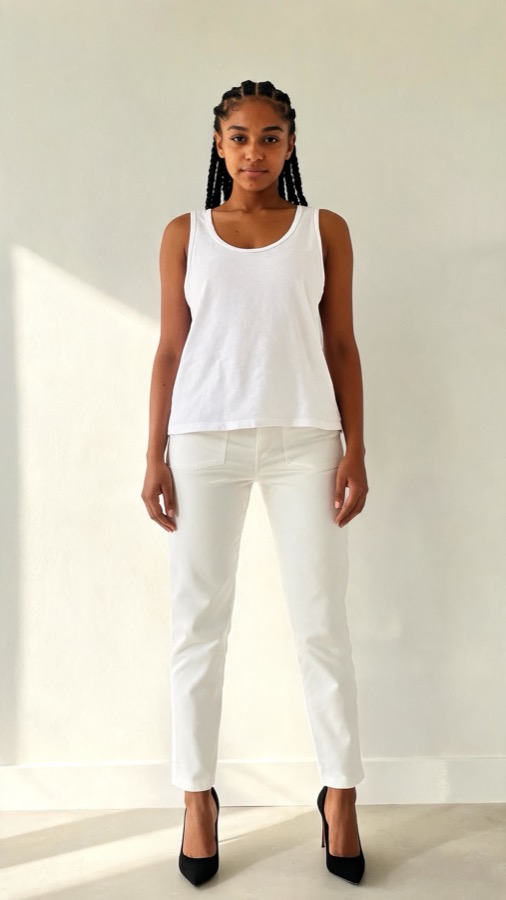
According to the TryFits AI support guide and supplied product information, you can create a digital twin from a full-length photo or a selfie plus measurements. You can preview clothing photos, store items and outfits you describe. Product links and an in-app fashion browser offer other routes to exploring clothes.
That makes it useful for investigating a styling direction. You might preview your existing skirt from a clothing photo, then explore a described outfit featuring a similar skirt at a different length. Treat the second result as a concept, not a precise alteration of the original garment.
The supplied documentation does not establish a dedicated tailoring simulator or a calibrated hem-editing tool. Do not assume that asking for a shorter skirt preserves every pocket, seam and fabric detail. TryFits AI presents visual previews rather than clothing-size recommendations, so a convincing image is not evidence that a garment will physically fit.
Start with a change you can describe clearly
A shorter skirt with the shoes you actually wear
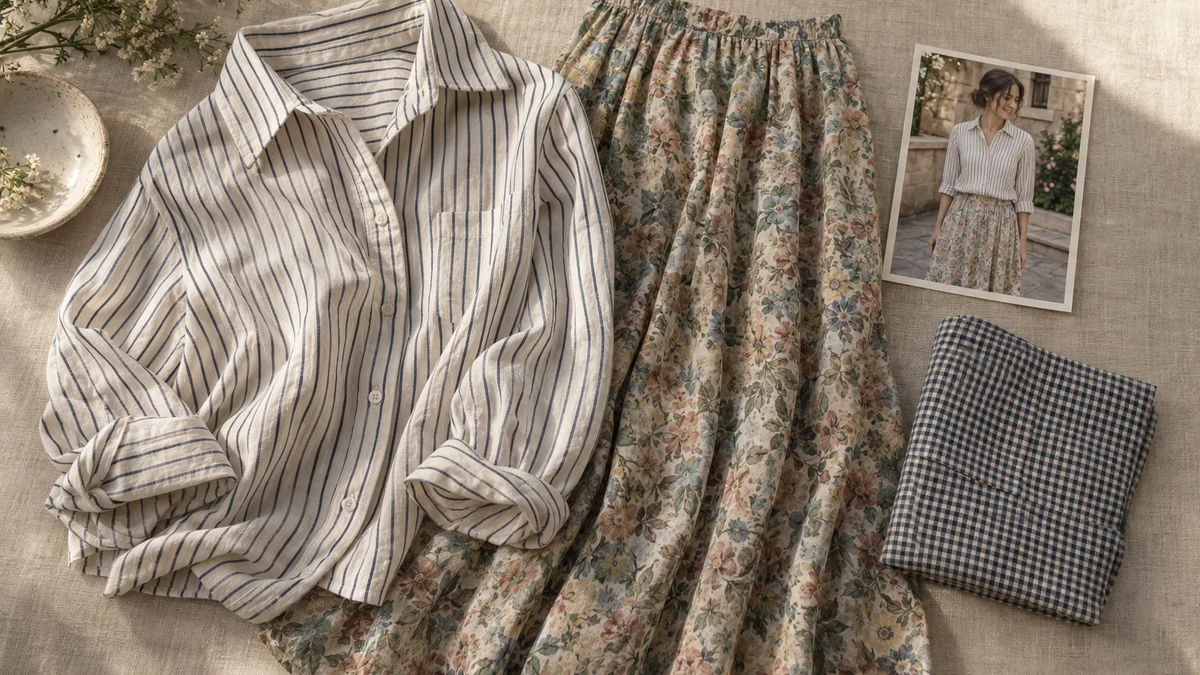
Suppose you own a navy woven midi skirt that sits at an awkward point above your ankle boots. Compare the idea of keeping its current length with a version ending just below the knee. Keep the rest of the outfit consistent: an ivory fine-knit jumper, opaque navy tights and the same style of boots.
A useful description is: “Navy A-line skirt ending just below the knee, ivory crew-neck jumper, navy opaque tights and black ankle boots.” This explores a defined silhouette without pretending to specify a cutting line. If you prefer the shorter concept, pin the real skirt at home and check the result with those boots.
Shorter trousers without guessing the measurement
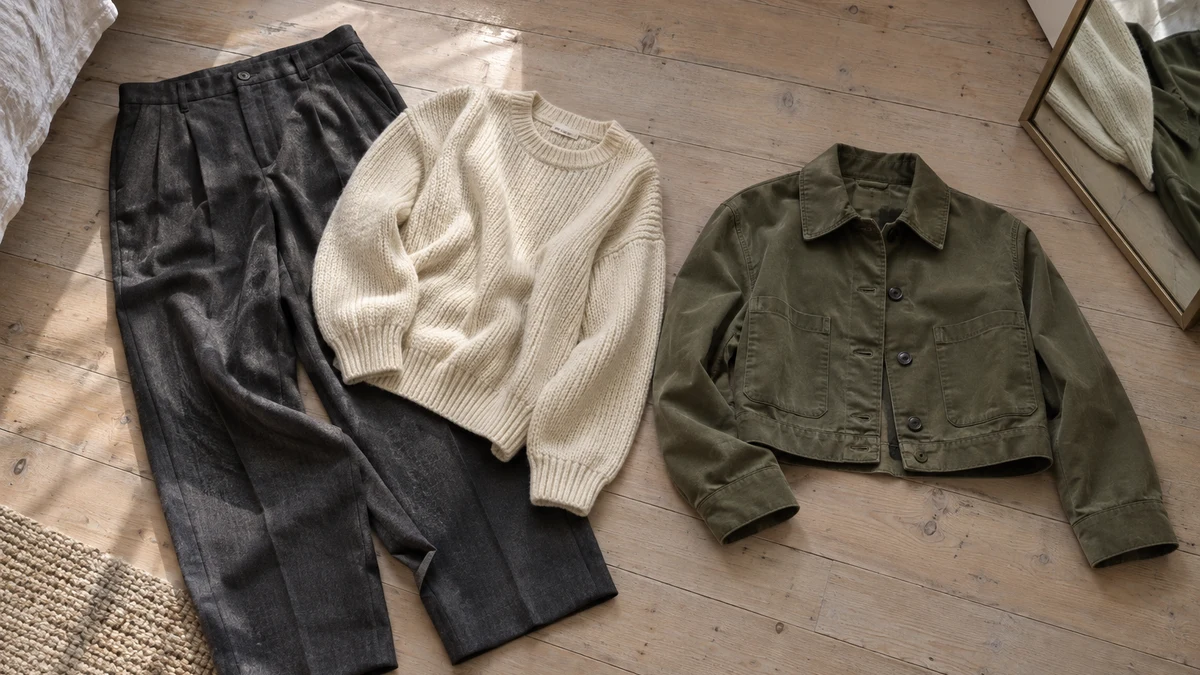
For charcoal straight-leg trousers, explore a full-length look with loafers and a cropped look with slim ankle boots. Notice whether you prefer the continuous trouser line or a visible break above the shoe. Neither preference tells you how many centimetres to remove.
Take your chosen footwear to the fitting because sole height changes where the hem falls. Our guide to straight-leg trouser lengths explains the physical hem checks to make. For wet winter commutes, avoid a length that trails on the ground, regardless of how appealing it looks in a preview.
A shorter blazer as an outfit concept
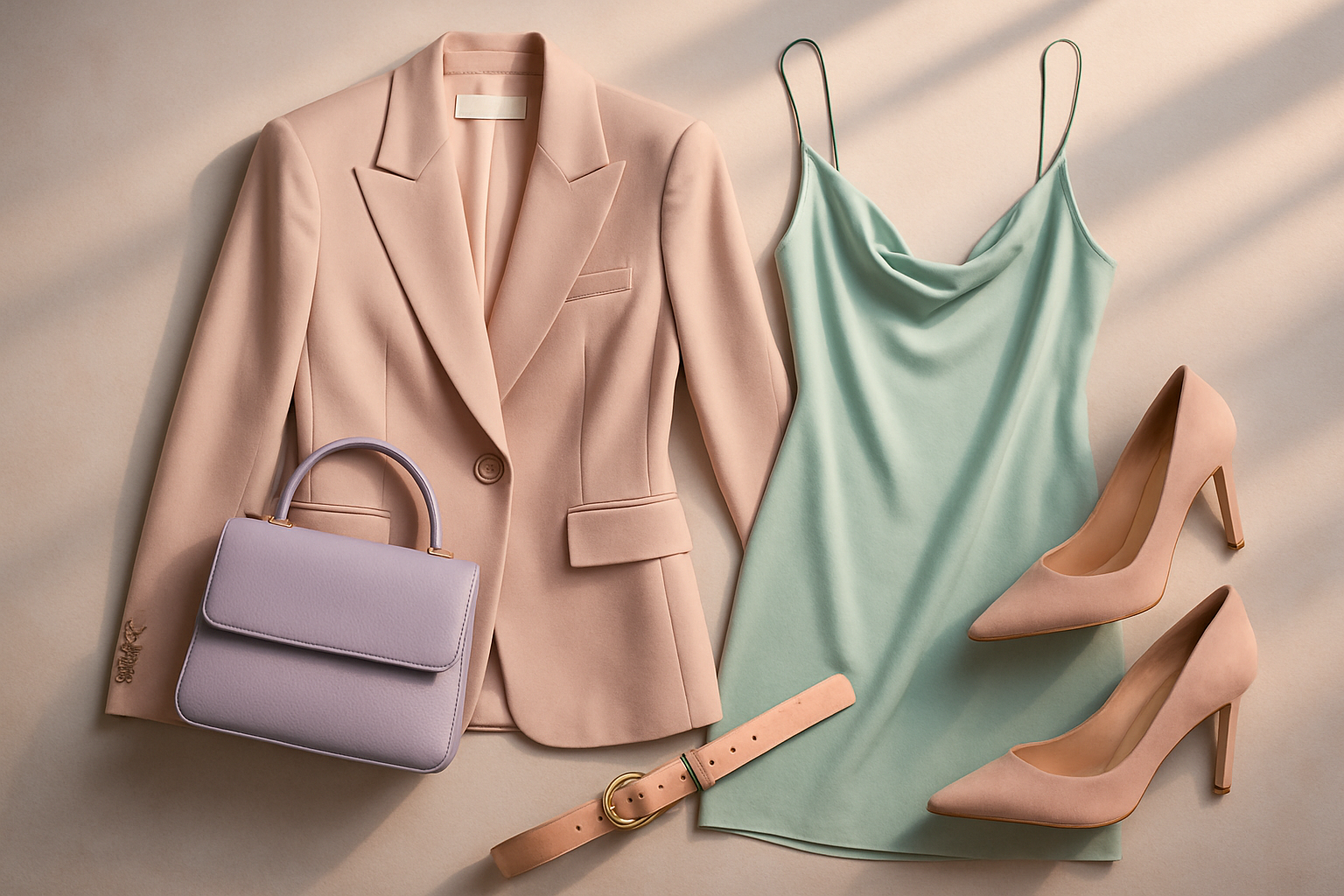
A long black blazer over a column dress creates a different outline from a waist-length jacket over the same dress. Previewing both ideas can help establish which direction you prefer. It cannot confirm that your existing blazer can become the shorter version.
Blazer pockets, vents, lining and button placement can limit shortening. If a cropped concept wins, ask a tailor whether the original jacket can retain balanced proportions. Wearing the long blazer open or choosing an already cropped jacket may be more practical than reconstruction.
Use a controlled comparison, not endless variations
Change one feature at a time when using virtual try on for clothing alterations. If you change the colour, shoes, neckline and hem together, you will not know which change improved the outfit. Start with the garment that bothers you and identify one specific question.


- Choose the comparison: below-knee versus mid-calf, or wrist-length versus bracelet-length sleeves.
- Use the same digital twin and describe the same supporting clothes.
- Use a clear garment photo for the original item when available.
- Label a described alternative as an imagined version, not an exact product reproduction.
- Write down the preference you want to test on the physical garment.
For example, “I prefer the skirt with more boot showing” gives you something useful to investigate. “Remove seven centimetres” is premature unless that amount has been measured and pinned on you. The preview supplies a direction; the fitting establishes the actual length.
Check fabric, weather and construction before committing
Two skirts with the same outline can behave differently. Cotton poplin holds more structure than fluid viscose, while a bias-cut satin skirt can respond differently to hemming than a straight-cut woven skirt. A generated image cannot establish the exact behaviour of the fabric in your hands.
Ask a tailor to inspect the existing hem, lining and any decorative border. Shortening a pleated skirt may involve different work from shortening a plain unlined skirt. A dress with embroidery near the hem might lose the detail that made you choose it.
Match the proposed change to the season too. Bracelet-length sleeves can look intentional over a fine cotton shirt indoors, but may leave an uncomfortable gap beneath a winter coat. Before shortening wool trousers for ankle exposure, try the proposed length with warm socks and your cold-weather footwear.
If the change is mainly about styling, test a reversible alternative first. Turn up jeans, temporarily pin a skirt or push blazer sleeves back to assess the effect. Pins are for a careful standing check, not for walking around or sitting down.
Bring a preference and the real outfit to the tailor
Use a preview as a conversation reference, explaining which feature you like rather than asking for an exact copy. Bring the actual garment, intended shoes and any substantial layers. For a dress, wear the undergarments you plan to use because they can affect how it sits.
Ask what the alteration would involve, what details would change and whether the work can be reversed. Then assess the pinned garment from the front, side and back. Sit and walk when the tailor says it is safe, checking comfort as well as appearance before approving the work.
Common questions
Can TryFits AI show exactly how a dress will look after alterations?
No. It can help you explore a described silhouette on your digital twin, but the supplied documentation does not establish exact alteration simulation. Confirm the proposed result by having the real dress pinned and assessed.
Can virtual try on tell a tailor how much fabric to remove?
No. A visual preview is not a calibrated measurement or cutting guide. The tailor needs to establish the finished length on the physical garment, allowing for its construction and your intended footwear.
Should I buy clothes that only work after alterations?
Ask a tailor about feasibility and cost before committing, especially when returns are restricted. If you cannot have the garment assessed first, choose something wearable as sold rather than relying on a generated preview to justify an uncertain alteration.