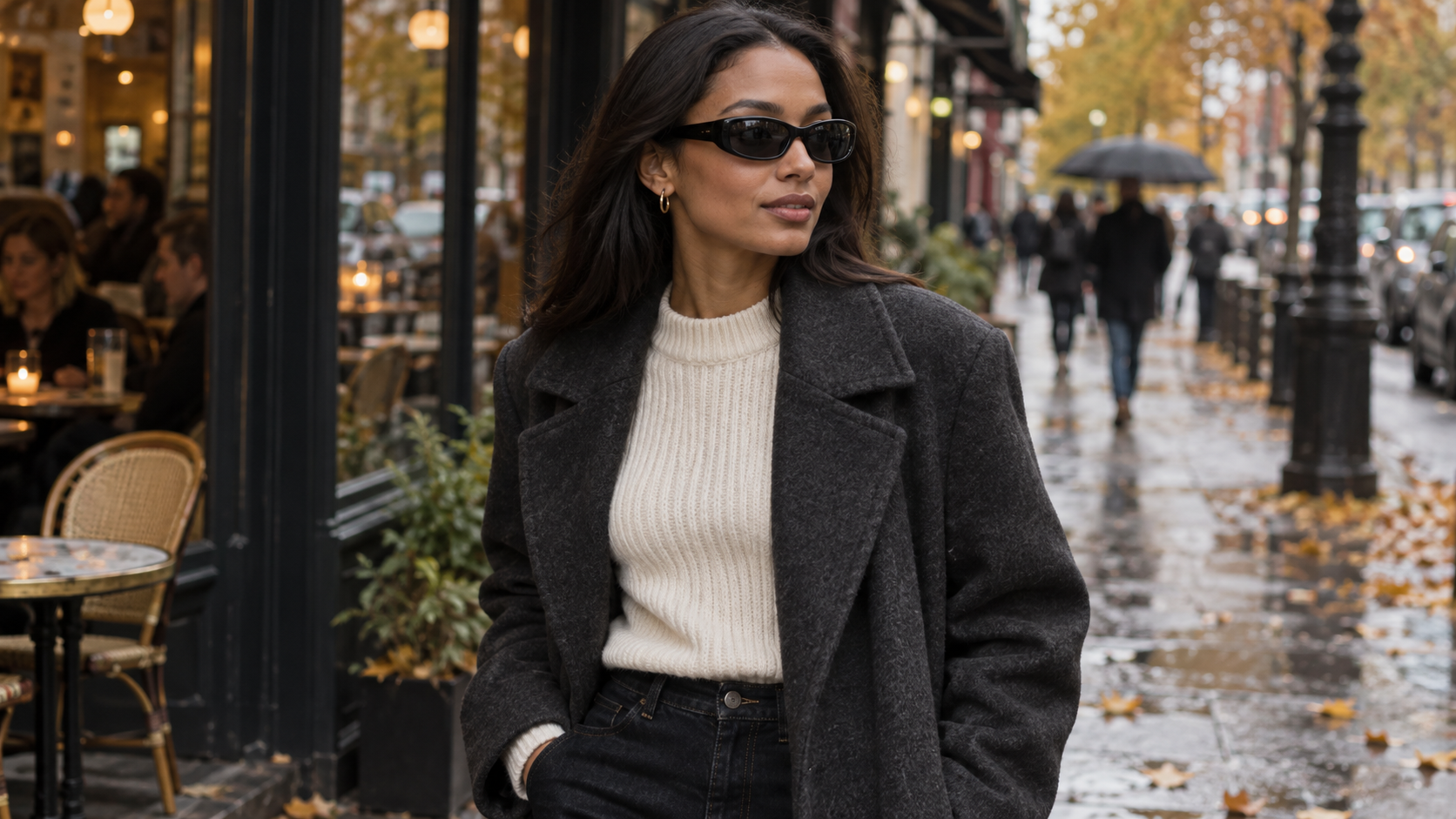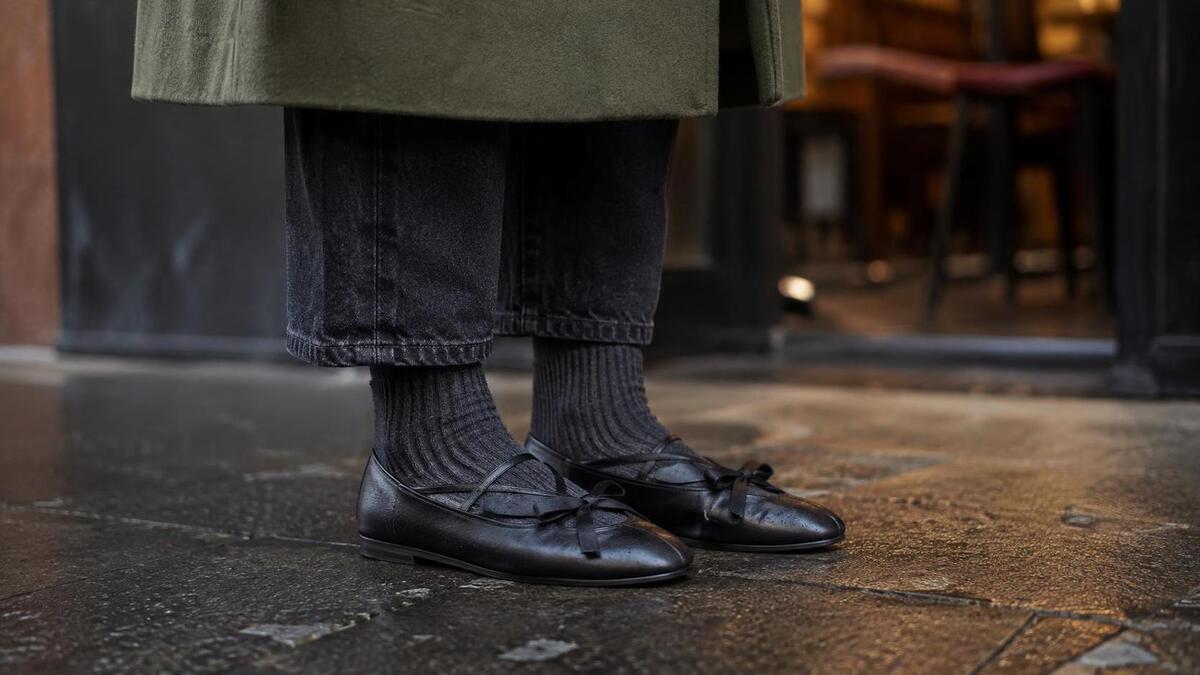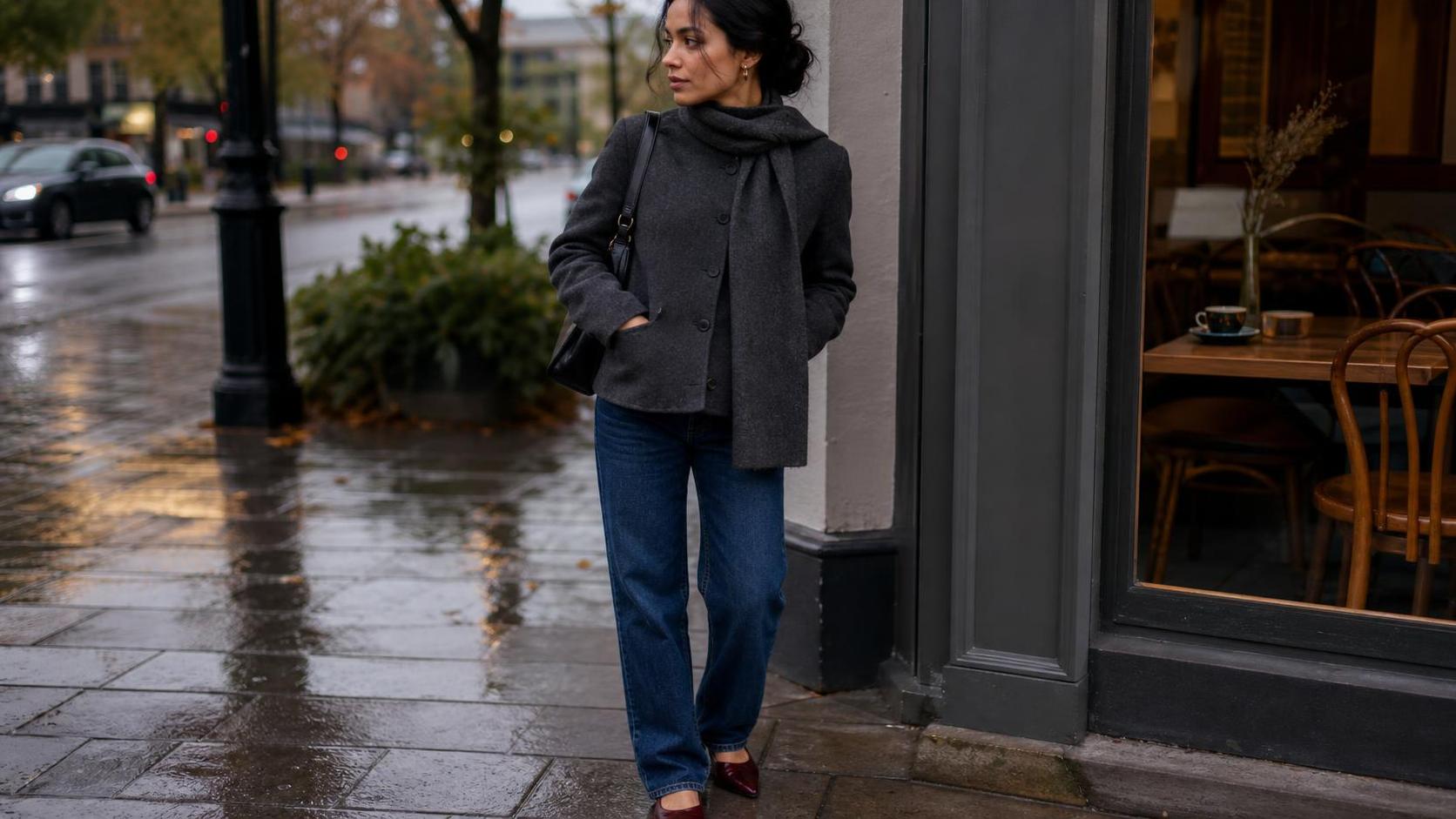
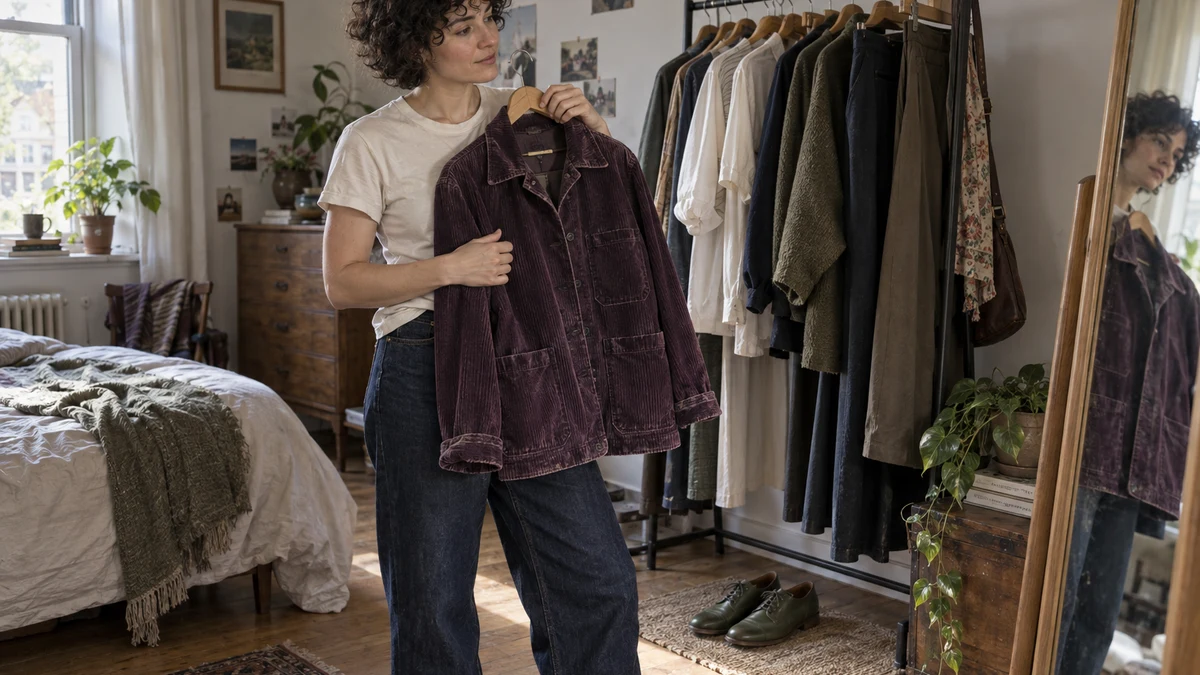
To wear personality dressing, start with an outfit you already trust and change one element to reflect your taste: an unusual colour pairing, a vintage jacket, or shoes you love but rarely wear. Keep the practical parts that make the outfit comfortable. You do not need a louder wardrobe or several statement pieces to make your clothes feel more personal.
The current signal comes from Marie Claire’s October 9, 2026 article, “Bored of Beige? Personality Dressing Is the One Thing All the Most Stylish Women Have in Common.” Its report describes a shift away from quiet luxury and pared-back minimalism towards individual expression, with brands making their own identities more visible. That is an editorial trend signal, not proof that everyone has abandoned neutrals.
The everyday problem is deciding whether an expressive piece feels like you when it joins the rest of your outfit. A green jacket can look appealing on a hanger yet feel unfamiliar beside your usual trousers. Seeing the whole combination on yourself, rather than judging each item separately, helps you decide whether to keep the colour, change the silhouette, or try a smaller accent.
 LIVE FITTING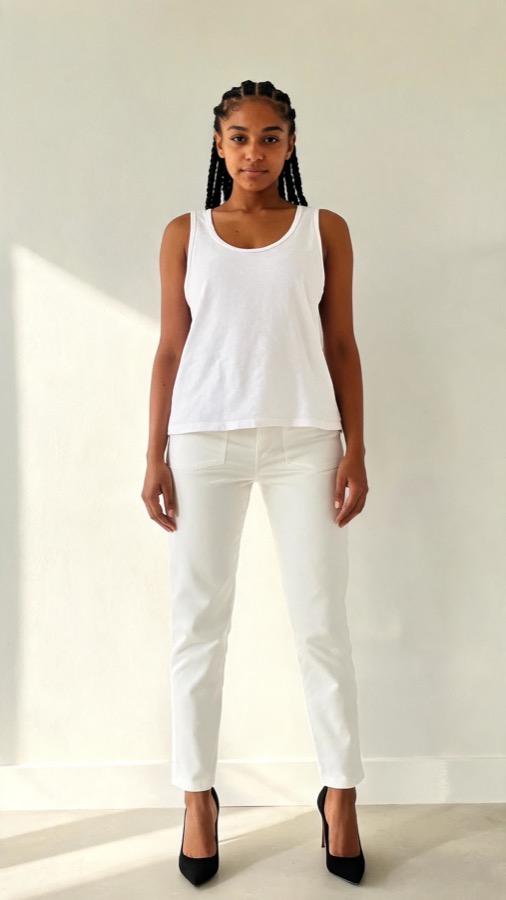

Find your personal detail before choosing an outfit
Personality dressing is useful when it starts with preferences you can name. Look at the clothes you repeatedly reach for, including older pieces. Perhaps you like crisp collars, unusual buttons, painterly prints, or practical shoes with dresses. Those repeated choices offer a stronger starting point than buying whatever looks most distinctive online.
Choose one detail that you would still enjoy without the trend label. A collection of bright socks might become your everyday signature; a favourite secondhand jacket might set the mood for weekend outfits. If beige tailoring is genuinely your taste, keep it and experiment with a curved silver earring or a shirt with an unexpected cuff.
Separate admiration from willingness to wear. You can appreciate a heavily decorated coat while preferring a plain coat over a patterned knit. Ask where the item would go with you this month: the office, a Saturday lunch, or an evening out. Give it an actual destination before adding it to your shopping list.
Build around a familiar base
A familiar base makes experimentation easier because you already understand its fit. Start with straight jeans and a cotton shirt, tailored trousers and a fine knit, or a simple jersey dress. Add the personal detail, then check whether the outfit still works for sitting, walking, carrying a bag, and wearing your usual coat.
For a first attempt, let one element take the lead. Pair a cobalt cardigan with grey trousers and dark loafers, rather than also introducing a patterned bag and metallic boots. This is a starting method, not a permanent restriction. Once you like the combination, you can decide whether another expressive detail improves it.
If you want two noticeable elements, give them a connection. An abstract-print shirt containing green can sit comfortably beside green shoes, even when the shades differ slightly. Alternatively, repeat a curved shape in earrings and a bag handle. A shared detail can make a combination feel deliberate without requiring everything to match.
Four outfit formulas for everyday personality dressing
A creative detail for the office
Wear charcoal straight trousers, an ivory cotton shirt, and a teal knitted vest with dark leather loafers. The shirt and trousers provide a familiar work structure, while the vest introduces colour without dangling accessories or elaborate sleeves. Choose a fine wool knit that fits comfortably beneath your jacket.
In a stricter workplace, replace the vest with a muted teal shirt beneath a charcoal blazer. Keep any pattern small enough to read as texture from a distance. Your dress code still sets the boundary; an interesting button, cuff, or pair of glasses can carry the personal detail when stronger colour is impractical.
A weekend outfit built around an older favourite
Combine an embroidered denim jacket with an oatmeal long-sleeved T-shirt, straight dark jeans, and rust canvas trainers. The plain layers leave room for the embroidery to show. A jacket ending near the top of the hip gives a different outline from a longer version, so compare both before deciding which you prefer.
If your favourite jacket has volume through the sleeves, avoid forcing a thick sweatshirt underneath it. Use a thin thermal layer when temperatures drop. For wet weather, swap canvas trainers for leather ankle boots with suitable tread and check that the jacket fits beneath a raincoat.


A dinner outfit with an unexpected colour pairing
Try an aubergine merino top with ochre tailored trousers and dark brown ankle boots. The colour pairing supplies the interest, so simple shapes are enough. Choose trousers with a clean front and a hem that clears the ground; a compact bag keeps the outfit practical around restaurant chairs.
For a gentler version, wear dark trousers and introduce ochre through a small bag instead. Compare the two complete looks rather than assuming a smaller colour area is automatically better. A large block of colour can look calmer than several scattered accents.
A quiet outfit with a distinctive silhouette
Wear a black jersey midi dress with a cropped cream jacket featuring a rounded collar, then add black lace-up boots. The outline, rather than a bright palette, gives the outfit personality. Choose a jacket with enough shoulder room to reach forward comfortably and a dress that lets you take a full stride.
If you prefer softer clothing, replace the jacket with a compact cardigan featuring oversized fabric-covered buttons. Keep the dress relatively smooth beneath it so the buttons remain visible. This offers an expressive option for anyone who enjoys neutral colours but wants more character than a standard crew-neck layer.
Check the combination before buying another piece
When learning how to wear personality dressing, compare one change at a time. TryFits AI lets you preview clothing on your own body, which can help you judge whether a coloured jacket or different trouser shape belongs in the outfit. Treat the result as a visual comparison, not confirmation of exact fit, fabric feel, or print placement.
Keep the base outfit consistent while comparing alternatives. Look at how much of the new colour remains visible beneath your coat and whether you still like the look with your everyday shoes. For patterned items, the guide to whether virtual try on can show prints accurately explains why the original garment photographs still deserve a close check.
Before buying, name two combinations using clothes you already own. Check the care label, lining, and measurements against a similar garment that fits you. A distinctive piece earns its place through repeat wear, especially if it works with the outerwear and footwear your weather actually requires.
Common questions
What does personality dressing mean?
Personality dressing means choosing combinations that reflect your preferences rather than following a complete prescribed look. It can involve colour, vintage clothing, unusual shapes, or a recognisable accessory. A neutral outfit counts when its details feel genuinely yours.
Can you wear personality dressing if you prefer minimalist clothes?
Yes. Keep your simple silhouettes and limited palette, then introduce a detail such as sculptural earrings, a rounded collar, or textured shoes. You can express personal taste through shape and finish without adding bright colours or multiple prints.
How do you try personality dressing without buying new clothes?
Start with a favourite item you rarely wear and pair it with your most reliable everyday outfit. Change only the shoes or layer if needed. Photograph the full look with your coat and bag, then wear it somewhere familiar before making another adjustment.