AI Fashion: Smart Style – How AI Is Redefining Personal Fashion in 2025 (and What It Means for Your Wardrobe)
Right now, everyone’s talking about how artificial intelligence is transforming the fashion world. From personalized outfit recommendations to digital try-ons, AI is not just assisting your shopping journey, it’s reshaping it entirely. In 2025, fashion isn’t just about fabrics and fits – it’s about algorithms, personalization, and how well technology understands your unique taste.
This article breaks down the ways AI is revolutionizing personal style, compares different approaches, and helps you decide how to make the most of these innovations in your own wardrobe.
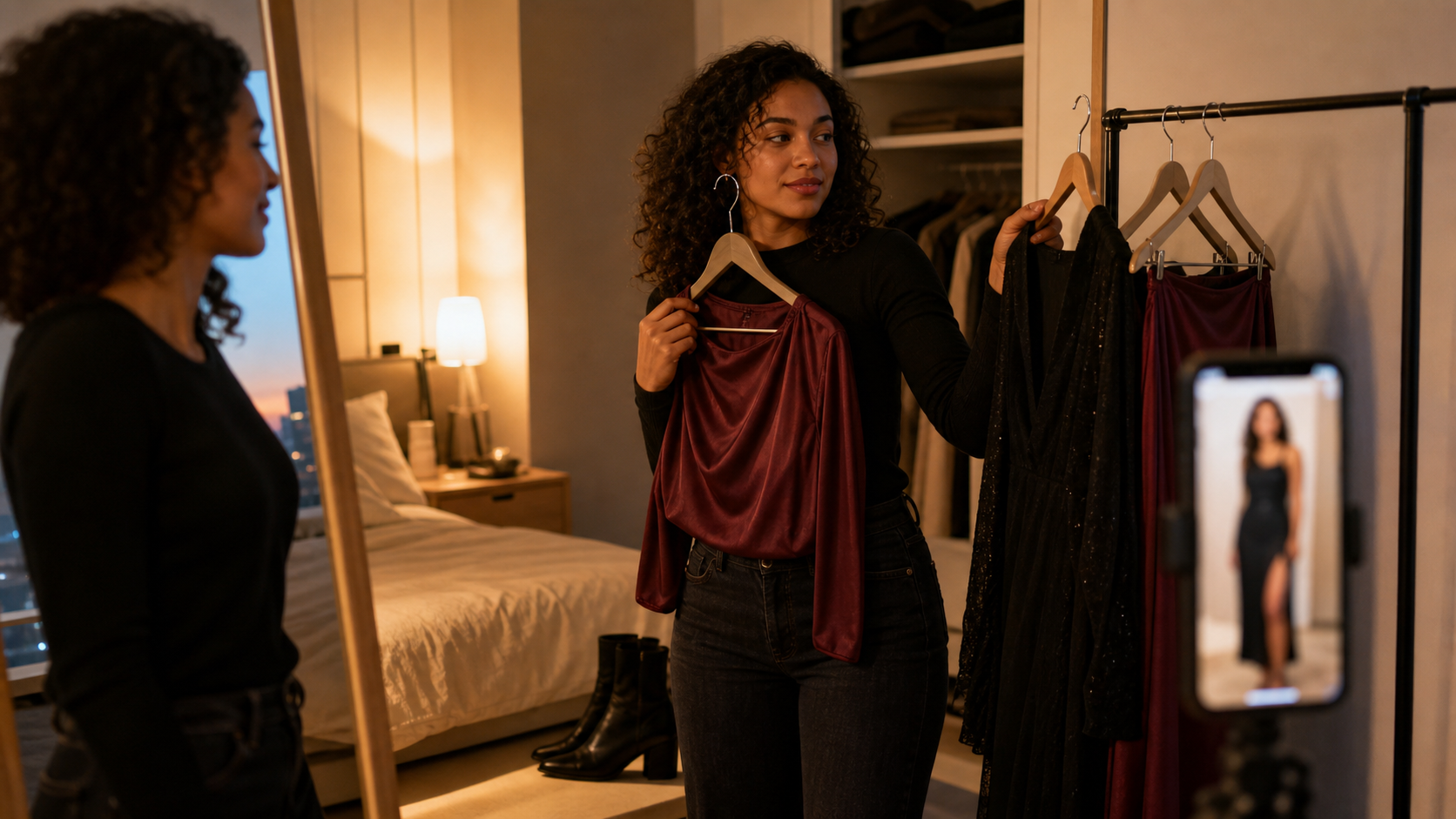
 LIVE FITTING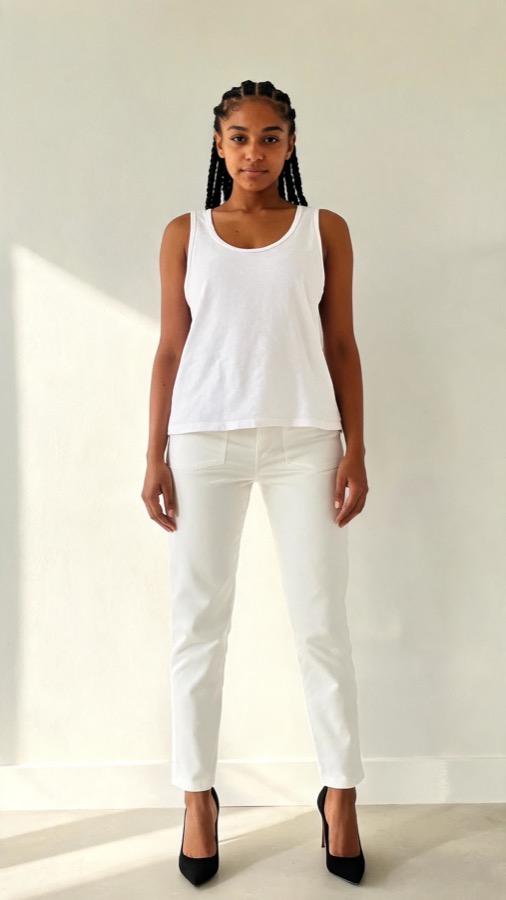

The Big Shift: From Trend Following to Personalized AI Styling
In the past, your fashion inspiration probably came from magazines, influencers, or store mannequins. Fast forward to 2025, and AI-powered systems are now the new stylists. They’re learning your preferences, body shape, favorite colors, and even your mood patterns to recommend what you’ll love next.
Traditional Trend-Based Styling
This is the old-school approach – relying on human stylists, influencers, and fashion shows to guide your outfit choices. You browse, you follow, and you replicate trends.
- Pros: Human creativity, personal connection, cultural understanding
- Cons: Time-consuming, limited personalization, trend fatigue
AI-Powered Personal Styling
AI platforms like Tryfits AI are taking personalization to the next level. Using your uploaded photos and data-driven insights, AI can now curate outfits that feel tailor-made for you.
- Pros: Instant personalization, trend prediction, realistic previews via virtual try-ons
- Cons: Limited by data accuracy, potential style bias if inputs are narrow
Comparison Summary
- Traditional Styling: Great for inspiration and emotion-driven fashion
- AI Styling: Ideal for efficiency, personalization, and confidence before buying
Expert Insight: “In 2025, AI isn’t replacing stylists, it’s amplifying them. The smartest fashion lovers use both human intuition and AI analytics to refine their style.”
Smart Wardrobe Tech: AI Closets vs Manual Outfit Planning
What’s trending is not just owning clothes but organizing them intelligently. Smart wardrobes powered by AI help you make sense of what you already have, and what you actually wear.
Manual Outfit Planning
Most of us still use photos, notes, or memory to plan outfits. It’s creative but often chaotic, especially when you’re juggling multiple occasions or styles.
- Pros: Creative freedom, emotional connection to pieces
- Cons: Hard to track what you wear, no efficiency insights, often leads to outfit repetition
AI Wardrobe Assistants
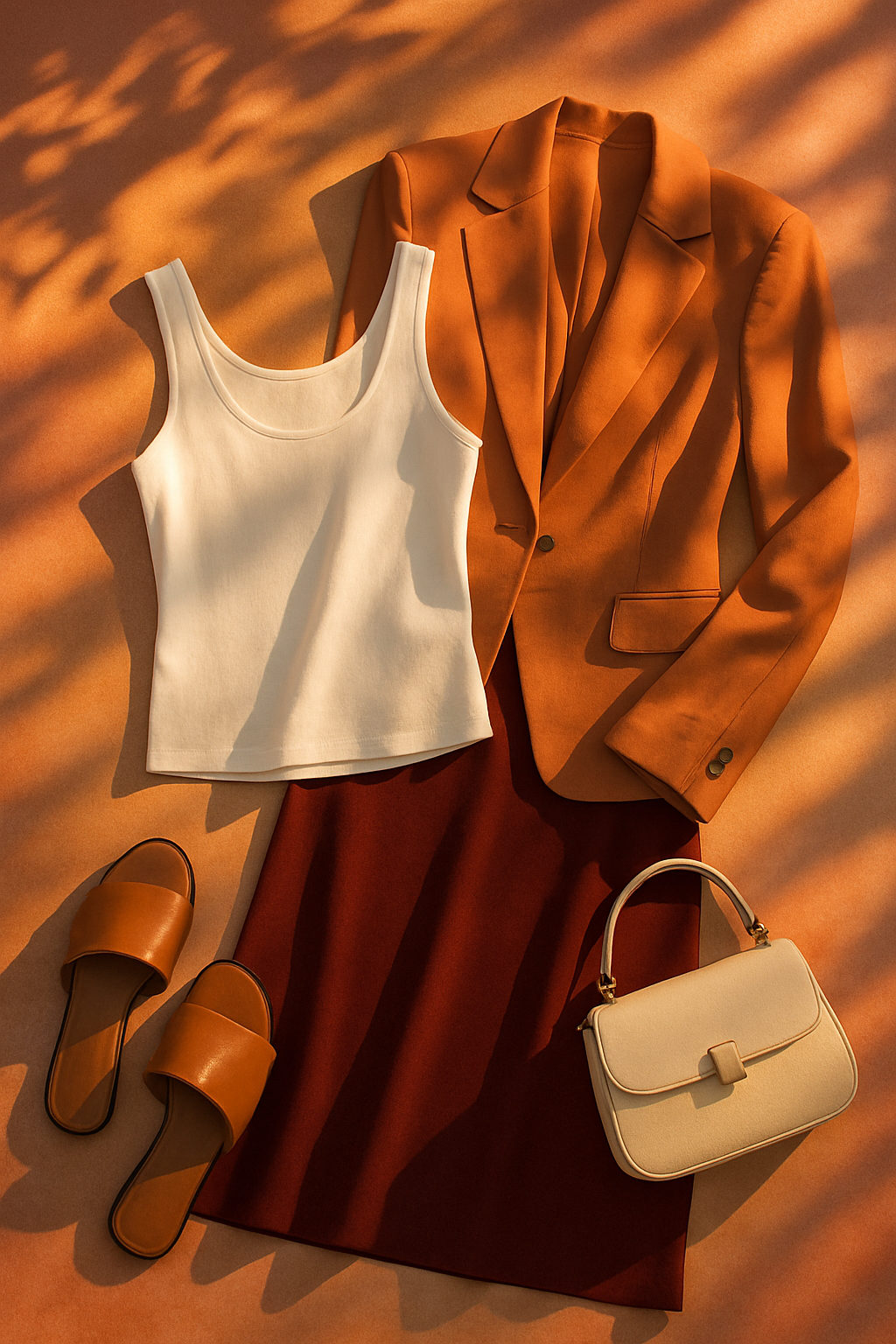
AI tools analyze your wardrobe, predict which pieces go together, and even recommend what to wear based on weather, events, or mood. For instance, Tryfits AI lets you virtually combine items and preview complete looks on your digital self before wearing them.
- Pros: Saves time, prevents decision fatigue, maximizes clothing use
- Cons: Requires photo cataloging, dependent on app accuracy
Comparison Summary
- Manual Planning: Great for creative expression
- AI Wardrobe Tools: Best for smart organization and real-life practicality
Virtual Try-Ons: The Future of Fit and Confidence
The latest trend shows that customers are 60% more likely to buy an outfit after virtually trying it on. That’s where virtual try-on technology shines – bridging the gap between imagination and reality.
Standard Online Shopping
Traditional e-commerce relies on product photos, size charts, and return policies. While convenient, it often results in uncertainty about how an outfit will actually look or fit.
- Pros: Fast and familiar process
- Cons: No personalization, high return rates, inconsistent sizing experiences
AI-Powered Virtual Try-Ons
Apps like Tryfits AI make it possible to upload your photo and instantly see realistic video try-ons. You can experiment with fits, colors, and styles – all before purchasing.
- Pros: Realistic previews, better fit decisions, lower returns
- Cons: Dependent on lighting/photo quality, initial setup time
Comparison Summary
- Standard Shopping: Best for speed and browsing variety
- AI Try-Ons: Best for confidence and smarter purchasing decisions
Style Evolution: Reactive Fashion vs Predictive Fashion
In the new AI fashion landscape, there’s a major shift happening – from reactive to predictive style. Instead of reacting to trends, AI predicts what you’ll want before you even start searching.


Reactive Fashion Systems
Traditional trend cycles depend on public behavior and influencer adoption. Once something goes viral, brands react and replicate.
- Pros: Driven by human creativity, cultural influence
- Cons: Slower trend cycles, high risk of oversaturation
Predictive AI Fashion Systems
Predictive models analyze your browsing, purchasing, and styling history to forecast what you’ll like next. These systems personalize recommendations that evolve as your tastes change.
- Pros: Early access to trends, hyper-personalized insights
- Cons: Over-reliance on algorithms, less spontaneous discovery
Comparison Summary
- Reactive Fashion: Best for cultural exploration
- Predictive Fashion: Best for consistent, personalized refinement
AI Stylists: Virtual Experts vs Human Stylists
What’s trending now is the collaboration between human creativity and AI precision. Instead of choosing one over the other, many users combine both.
Human Stylists
They bring emotional intelligence, experience, and an understanding of social context. Perfect for special occasions or unique aesthetics.
- Pros: Personal connection, storytelling, nuanced taste
- Cons: Limited scalability, higher cost, availability constraints
AI Stylists
These digital assistants learn your style through interactions, feedback, and try-on history. Some apps even let you chat with an AI fashion assistant (like “your stylist” on Tryfits AI) for personalized outfit ideas and trend updates.
- Pros: Available 24/7, data-driven precision, adaptive learning
- Cons: May miss subtle emotional or cultural cues
Comparison Summary
- Human Stylists: Ideal for curated, high-touch experiences
- AI Stylists: Perfect for daily guidance and quick outfit generation
What This Means for Your Wardrobe
Your wardrobe is no longer static – it’s becoming dynamic and data-informed. AI helps you understand what you truly wear, what fits your life, and what’s worth investing in. It’s not about replacing your creativity, it’s about enhancing it.
With AI fashion tools, you can:
- Eliminate decision fatigue by letting algorithms suggest complete looks
- See realistic previews before purchasing new outfits
- Track your most-worn pieces and fill wardrobe gaps
- Stay ahead of trends that match your personal vibe
Final Thoughts: Embrace AI as Your New Style Ally
AI fashion is redefining what it means to be stylish in 2025. It’s about blending creativity with data, personality with technology, and trends with authenticity. The smartest wardrobes now combine the art of expression with the science of personalization.
Whether you’re exploring AI-powered virtual try-ons, predictive fashion advice, or digital closet tools, the key is to stay curious and open. Fashion is evolving faster than ever – and you can evolve with it.
Ready to see how that outfit looks on you? Try Tryfits AI today to experience the future of fashion – virtual try-ons, smart outfit planning, and AI style insights designed around you.