AI Fashion: Smart Styling 2.0 – How Artificial Intelligence Learns Your Taste to Curate Your Perfect Outfit
AI fashion styling has moved far beyond basic recommendations. Today, artificial intelligence analyzes your preferences, body type, color palette, and lifestyle to create curated outfit suggestions that feel made just for you. In this deep-dive, we’ll explore how AI learns your personal style, adapts to your mood and habits, and helps you build a wardrobe that works for your real life. Plus, we’ll look at how apps like Tryfits AI bring this experience to your phone with hyper-realistic virtual try-ons.
1. The New Era of Personalized Styling
From Generic Recommendations to Tailored Intelligence
We’ve all been there – scrolling through endless outfit inspiration online, trying to figure out what actually works for us. The truth is, personal style is complex. It’s shaped by body shape, mood, climate, and even our social circles. For years, online fashion tools have struggled to go beyond “you might also like” algorithms. But AI fashion styling 2.0 changes everything.
 LIVE FITTING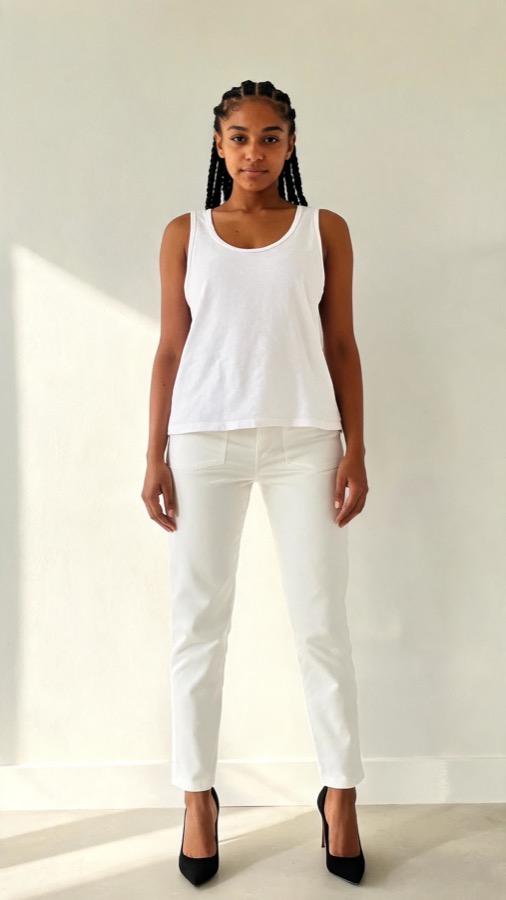

Artificial intelligence now uses machine learning models trained on millions of outfit images and user feedback to understand aesthetic patterns. Instead of just looking at color or cut, these models learn to recognize emotional tones – for example, whether you lean toward “soft romantic” or “minimalist chic.” They also adjust based on what you actually wear and how you respond to recommendations.
Real-World Example: The Netflix Effect for Fashion
Think of it like your Netflix recommendations. The more you watch, the smarter the suggestions get. AI fashion platforms like Tryfits AI use a similar system. When you upload a few selfies or try on different styles virtually, the AI learns your preferences and starts showing you looks that feel like “you.” It’s not about random outfits – it’s about an evolving understanding of your identity through style data.
2. How AI Learns Your Taste
Step 1: Gathering Style Data
AI doesn’t start with magic – it starts with data. Every click, like, or purchase you make helps build your style profile. These systems gather information such as:
- Color preferences – Do you gravitate toward neutrals or bright tones?
- Silhouette choices – Oversized hoodies or tailored blazers?
- Occasion frequency – More loungewear or officewear?
Even subtle cues, like how long you hover over a product, teach the AI about your interest level. Over time, your personal “style DNA” becomes clearer and more accurate.
Step 2: Contextual Understanding
Let’s be real – style isn’t just about what looks good, it’s about context. You might love heels, but not when commuting in winter. AI-driven styling tools now factor in external data like weather, calendar events, and even mood tracking to make smarter suggestions.
For example, Tryfits AI could suggest cozy knits for an upcoming cold front, or an elegant outfit for your dinner plans, based on your saved preferences and photo library. It feels like having a digital stylist who actually “gets” your life.
Step 3: Machine Learning Refinement
As you keep interacting, AI models refine their predictions. They notice what you skip, what you save, and what you buy. Through a process called reinforcement learning, the algorithm gets rewarded when you engage positively. That’s how your recommendations become eerily accurate over time – like your favorite friend who always nails your vibe.
3. The Science Behind Smart Styling
Computer Vision: Seeing What You See
Behind every outfit recommendation lies computer vision – the technology that allows AI to “see” and analyze clothing items. It identifies textures, fabrics, cuts, and even how garments drape on different body shapes. When you upload a photo to an app like Tryfits AI, computer vision helps map virtual clothing onto your body realistically, down to how light interacts with fabric folds.
Natural Language Processing (NLP): Understanding Descriptions
AI also interprets language. When you describe your style as “casual with a touch of elegance,” NLP models translate that into tangible fashion characteristics. This allows systems to match abstract human language with specific visual patterns. It’s how an AI knows that “Parisian chic” means tailored trousers, silk blouses, and neutral palettes – not just random French designers.
Predictive Analytics: Fashion Meets Forecasting
Predictive models analyze your past behavior to forecast what you’ll love next. They even predict trends before they hit mainstream feeds by analyzing social media and fashion runways. So when you’re served a recommendation that feels “ahead of the curve,” it’s often because the AI already saw the trend emerging weeks earlier.
4. Real-World Benefits of AI-Curated Outfits
Time-Saving and Decision Relief
Let’s be honest – getting dressed can feel like a full-time job. With AI-curated looks, decision fatigue drops drastically. The system does the heavy lifting, showing you pre-styled combinations that match your taste and body type. All you do is pick your favorite from a short list of perfect fits.


For busy professionals or creators, this is a game-changer. You spend less time thinking about what to wear and more time actually enjoying your day.
Body Positivity Through Accuracy
One of the most empowering parts of AI styling is seeing how clothes truly fit your body before buying. Apps like Tryfits AI generate realistic virtual try-ons that let you visualize outfits on your photo or video. You can experiment with different silhouettes, colors, and styles without second-guessing your body shape.
This kind of realism reduces returns and boosts confidence. You get to say goodbye to the uncertainty of “Will this look good on me?” and hello to certainty and self-expression.
Smarter Shopping and Sustainability
Buying fewer, better pieces is the future of fashion. AI helps you identify what truly aligns with your lifestyle and wardrobe gaps. Instead of impulse buying, you build a cohesive capsule wardrobe tailored to your needs. That’s not just smart – it’s sustainable.
5. The Future: When AI Becomes Your Style Partner
From Assistant to Co-Creator
In the coming years, AI won’t just recommend outfits – it’ll help design them. Imagine uploading your favorite outfit and asking the AI to “make it work for summer.” It could generate lightweight versions of the same aesthetic using fabric and color data.
Fashion houses are already experimenting with AI co-design tools that collaborate with human designers. Soon, everyday consumers will get access to similar tools through mobile apps, letting them customize outfits to their exact vision.
Hyper-Personalized Fashion Ecosystems
Picture a world where your wardrobe syncs with your calendar, your shopping preferences, and your virtual avatar. You could receive a “smart style alert” suggesting what to wear for an event next week, complete with matching accessories from your own closet.
With Tryfits AI, we’re already seeing early glimpses of this future. You can create looks that reflect your digital personality while staying grounded in your real-world wardrobe. It’s style reimagined – personal, predictive, and empowering.
Balancing Tech and Taste
Of course, even the smartest styling AI can’t replace the emotional side of fashion. Clothes tell stories, evoke memories, and express who we are. The goal isn’t to make AI the decision-maker but to make it your most intuitive stylist – one that helps you discover what feels right for you.
Final Thoughts: Let AI Empower Your Style, Not Define It
At its core, smart styling 2.0 is about partnership. AI learns from you, grows with you, and helps you bring your personal taste to life in effortless ways. It’s not about giving up control, but about gaining clarity and confidence in your choices.
Whether you’re trying to revamp your wardrobe or explore new aesthetics, tools like Tryfits AI make it easy to see how outfits truly look and feel before committing. You don’t need a stylist, a studio, or hours of trial and error – just a picture and curiosity.
Ready to see how that outfit looks on you? Give Tryfits AI a try today and experience how smart styling can make fashion feel fun, personal, and effortless again.