
How should a button up shirt fit? For a regular cut, start with shoulder seams near your shoulder edges, buttons that stay closed without pulling, and sleeves that let you bend your elbows comfortably. An oversized shirt can sit differently, but extra fabric should feel like a deliberate design choice rather than something you need to keep adjusting.
The useful question is not whether a shirt makes your body look smaller. It is whether the cut supports the outfit you want: crisp under a blazer, loose over trousers, or open as a light layer. Those jobs need different amounts of room.
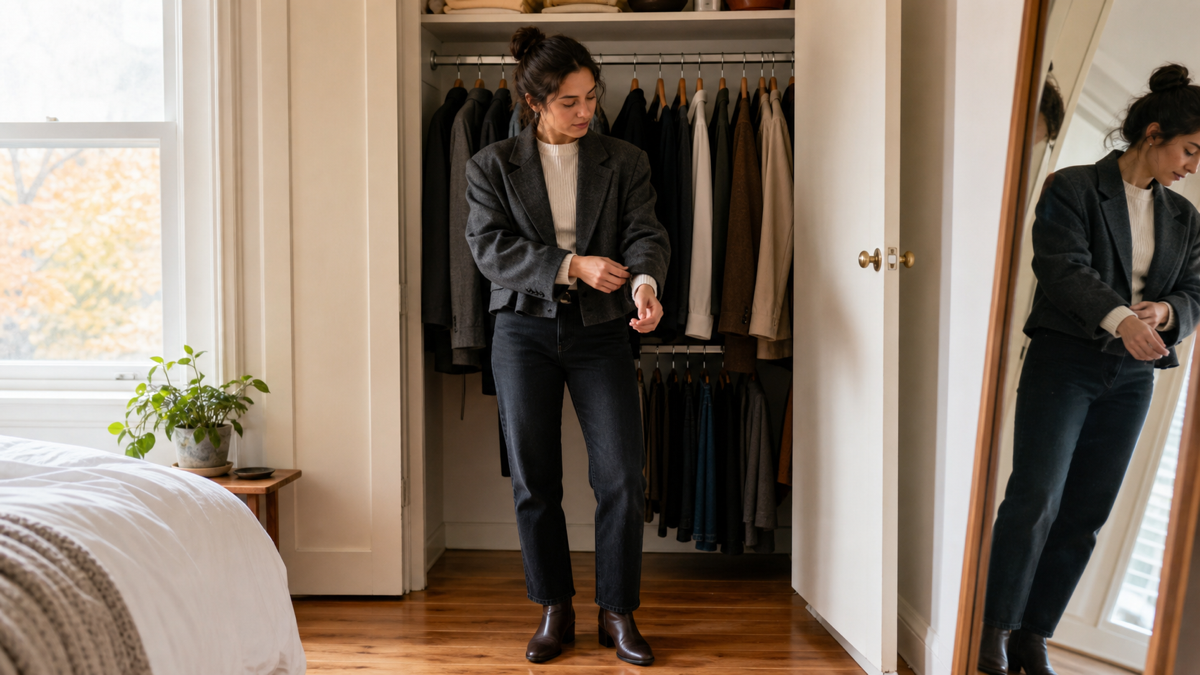
A product photograph rarely tells you which version you will get on yourself. The same shirt can look neatly relaxed on one person and feel restrictive on another, even when both follow the size chart. Comparing the silhouette on your own body can help you choose a direction; checking movement and measurements still establishes physical fit.
 LIVE FITTING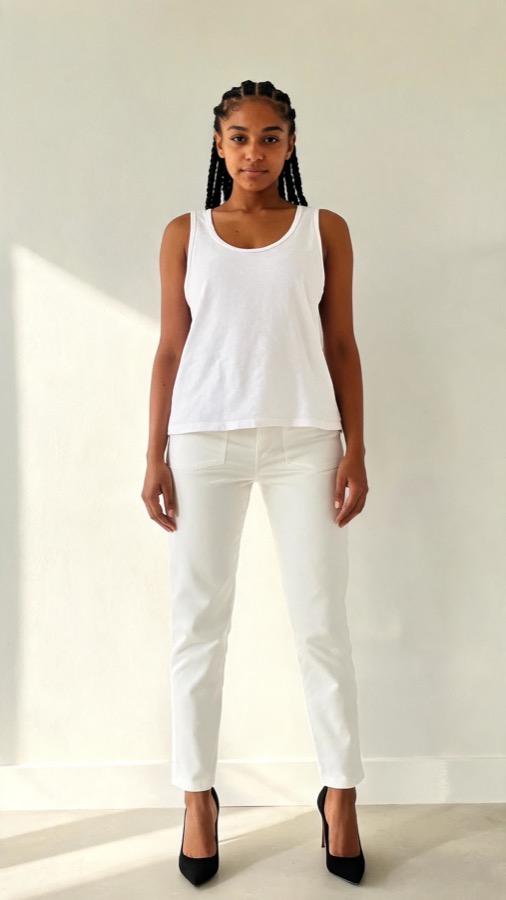

Separate the intended cut from the size
Before judging a shirt, identify whether it is fitted, regular, relaxed or oversized. A fitted shirt follows the torso more closely, while a regular shirt leaves enough space for everyday movement. Relaxed and oversized cuts introduce additional width, sometimes with deliberately lowered shoulder seams.
Do not use the shoulder seam alone to reject an oversized shirt. Instead, check whether the sleeve length, collar and hem still work together. A dropped shoulder with manageable cuffs can look intentional; a sleeve covering your hand may need shortening even when you like the body width.
GetWardrobe’s guide to proportion and composition treats garment lines and volume as styling variables. Apply that approach here: choose the shape you enjoy, then check whether the garment lets you wear it comfortably. You do not need a prescribed body category to decide.
Check the shirt in five places
Shoulders and upper back
On a regular shirt, look for shoulder seams sitting close to the point where your shoulders turn into your upper arms. Reach forward as though holding a steering wheel. If the back becomes taut or the armholes dig in, try more room through the upper back or a different sleeve construction.
A seam sitting farther down your arm may simply indicate a dropped shoulder. If you want a precise outline under tailoring, choose a regular shoulder instead. Sizing down an intentionally oversized design may reduce body width without putting its seams where you want them.
Buttons and chest
Fasten the shirt as you intend to wear it, then stand naturally and sit down. The button placket should remain reasonably flat rather than opening into gaps or developing strong horizontal tension lines. A small fabric ripple is normal; persistent pulling suggests that the cut needs more room there.
If the shoulders fit but the chest does not, compare cuts rather than automatically buying a much larger size. Darts, different front shaping or additional chest ease may solve the problem more effectively. A hidden fastening can secure a minor gap, but it cannot supply missing fabric.
Collar and neckline
If you wear the top button fastened, the collar should close without pressing into your neck or restricting a comfortable swallow. Check it while seated as well. If you always wear the neckline open, prioritise how the collar rests and whether the opening stays where you want it.
Sleeves and cuffs
With your arms relaxed, a conventional long sleeve usually finishes around the wrist, near the base of the thumb. Bend your elbows and reach forward: a little movement is expected, but the cuff should not pull painfully. Fastened cuffs should let you move your wrists without sliding repeatedly over your hands.
Hem and seated comfort
For tucking, choose enough length to remain inside your waistband when you sit and reach up. For wearing loose, check where the hem lands against your trousers, skirt or shorts. A curved hem creates a different outline from a straight one, so compare both rather than searching for one universally correct length.
Four outfits that need different shirt fits
A regular cotton shirt under a work blazer
Combine a pale blue cotton poplin shirt with charcoal straight trousers, a navy blazer and black loafers. Choose a shirt with comfortable chest room and sleeves that do not bunch heavily inside the jacket. Tuck it fully if you want a clean waistband, leaving enough ease to sit without pulling.


Try the blazer on over the shirt before deciding. A shirt that fits beautifully alone can still feel restrictive beneath narrow jacket sleeves. For a warm office, lighter poplin is practical; for a chilly commute, add a fine base layer only if the shirt accommodates it.
A relaxed Oxford shirt for cooler weekends
Wear an ivory cotton Oxford shirt with olive tapered trousers and brown lace-up shoes. Its textured cloth gives the relaxed outline some structure. Leave the hem loose if you enjoy the length, or tuck a small section at the front to expose the waistband without gathering the entire shirt.
A hip-length field jacket makes a useful outer layer in dry, cool weather. Check that its armholes accommodate the shirt, particularly if you roll the sleeves. If you prefer denim, our guide to tucking a shirt into straight leg jeans explores that separate styling choice.
An oversized shirt worn open
Pair a white oversized shirt with a rust ribbed tank, dark straight jeans and canvas trainers. Here, a dropped shoulder and generous body width suit the shirt’s role as an outer layer. The cuffs still need to stay manageable, and the front should hang freely rather than catch across the upper arms.
Choose linen or a breathable cotton weave for mild weather. For cooler days, a brushed cotton shirt offers a warmer alternative, although its thickness changes how it layers under a coat. Keep the tank at a comfortable length; exposed skin is optional, not part of the formula.
A draped shirt for dinner
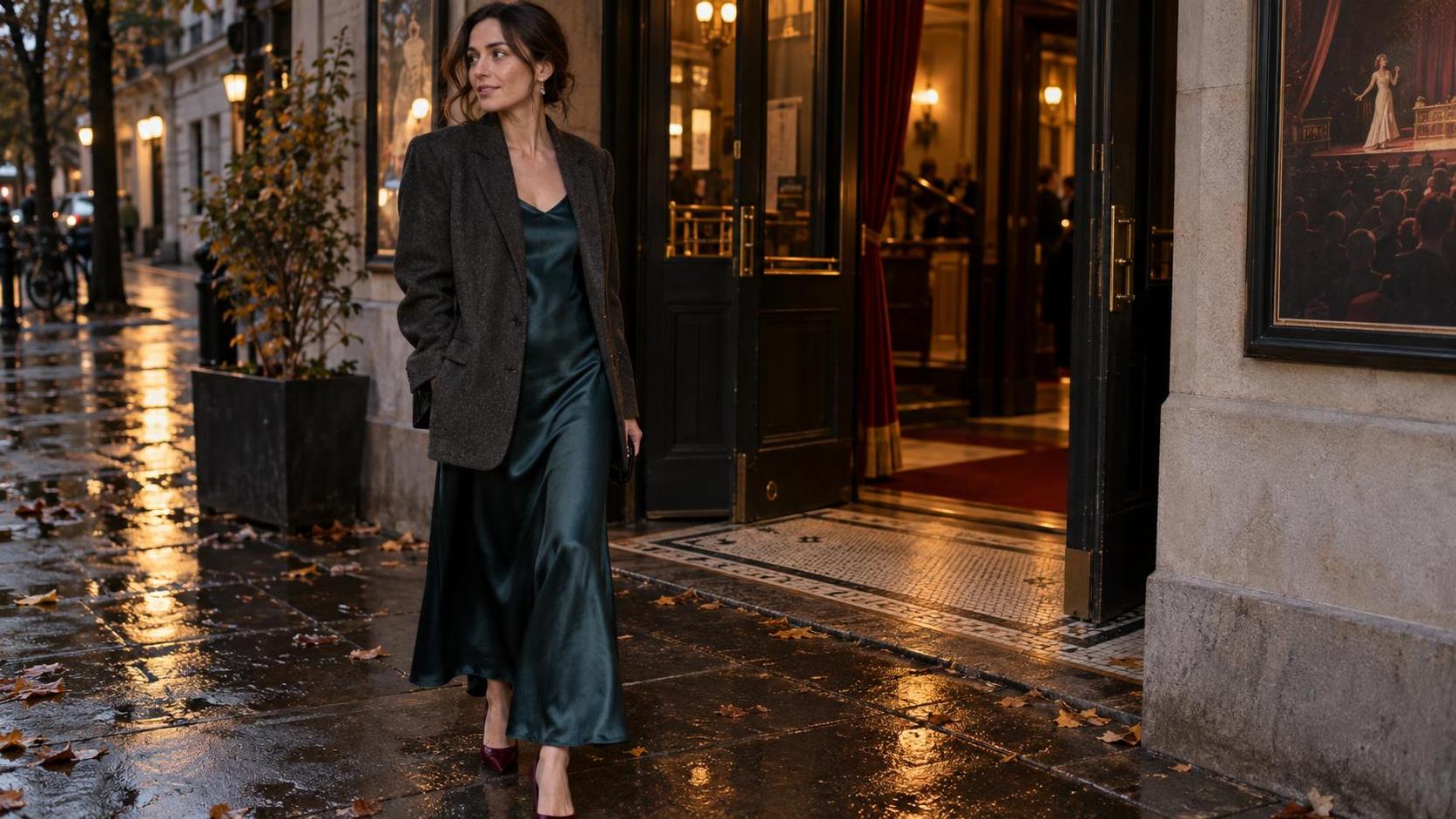
Try a deep green viscose shirt with black tailored trousers and burgundy flats. A fluid fabric can create a soft outline without an oversized cut. Look for buttons that lie flat and enough sleeve room for reaching across a table; tuck the shirt loosely or leave a straight hem untucked.
Check the care label before buying, since washing requirements and shrinkage risk vary by garment. For more complete dinner combinations, see what to wear to a birthday dinner in October.
Compare shirts without changing everything else
Keep your trousers and shoes the same while comparing a regular and relaxed shirt. Look at the shoulder line, sleeve width and hem position. A virtual preview can help you assess those visual relationships, but it cannot confirm pressure at the armholes, fabric feel or whether buttons pull when seated.
Before removing the tags, sit, reach forward and lift your arms. Compare the retailer’s garment measurements where available, not just the size label. Sleeve shortening may be a practical alteration; substantial changes to shoulders or armholes are more involved, so ask a tailor before committing.
Common questions
Should a button up shirt feel tight?
A fitted shirt can sit close to your body, but it should not restrict breathing or ordinary movement. Pulling buttons, uncomfortable armholes or tension across the back are reasons to try another size or cut.
Is it better to size up in a button up shirt?
Size up when you need more room throughout the garment. If only one area feels restrictive, compare another cut first. A larger size may add unwanted sleeve and hem length without resolving the shape you need.
Can an oversized shirt still fit properly?
Yes. Oversized fit deliberately includes extra width and often dropped shoulders. Check that you can manage the cuffs, move freely and wear the hem as intended. Judge it as an oversized design rather than against a fitted shirt’s outline.