Why Gen-Z Is Obsessed with Digital Fashion and Virtual Try-Ons
Gen-Z has officially blurred the line between physical and digital fashion. From Instagram filters that mimic designer makeup to virtual wardrobes that exist entirely in the cloud, fashion no longer lives solely in closets. It lives on screens, social feeds, and virtual avatars. For this generation, style is not just about what they wear in real life but also about how they present themselves online. And with the rise of AI-powered virtual try-on technology, digital fashion is becoming more immersive, personal, and profitable than ever before.
The Digital-First Mindset of Gen-Z
Unlike any generation before them, Gen-Z grew up online. They learned to express themselves through curated feeds, selfies, and digital identities. Fashion has always been a core part of that expression, but now, it has evolved beyond the limits of physical clothing.
Gen-Z doesn’t see the virtual world as separate from reality. They see it as an extension of who they are. Whether it’s a Roblox avatar, a Fortnite skin, or an Instagram outfit mood board, their sense of style flows seamlessly between pixels and fabric. This digital-first mindset explains why virtual try-on apps and digital fashion brands are skyrocketing in popularity.
 LIVE FITTING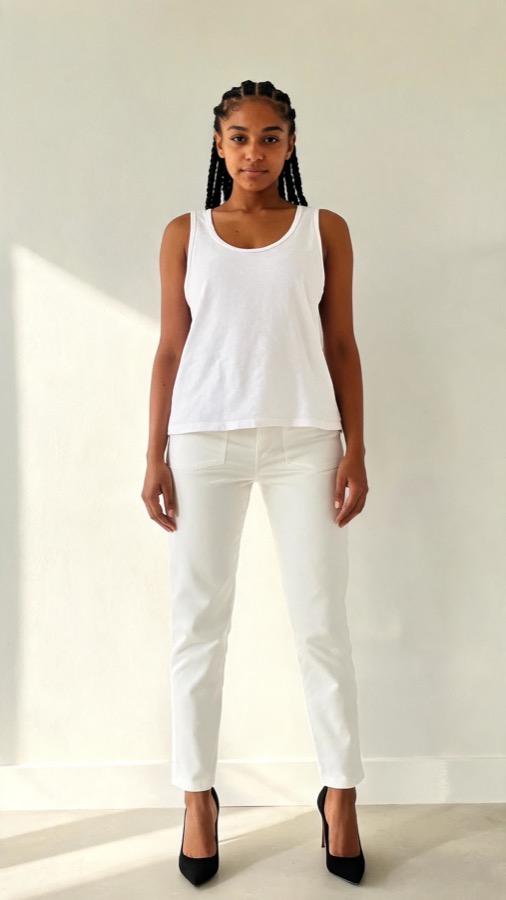

Fashion in the Age of Screens
For Gen-Z, their first impression often happens online. A profile picture, TikTok video, or Instagram Reel can say more about their identity than what they’re wearing in person. So it makes sense that they’re investing time and money into perfecting their digital looks.
In fact, many young consumers are more likely to buy digital-only clothing items than physical ones. These can be used for social media posts, gaming avatars, or AI-generated lookbooks. Virtual outfits are sustainable, customizable, and instantly shareable, which perfectly aligns with Gen-Z’s values and lifestyle.
How Virtual Try-Ons Are Changing the Game
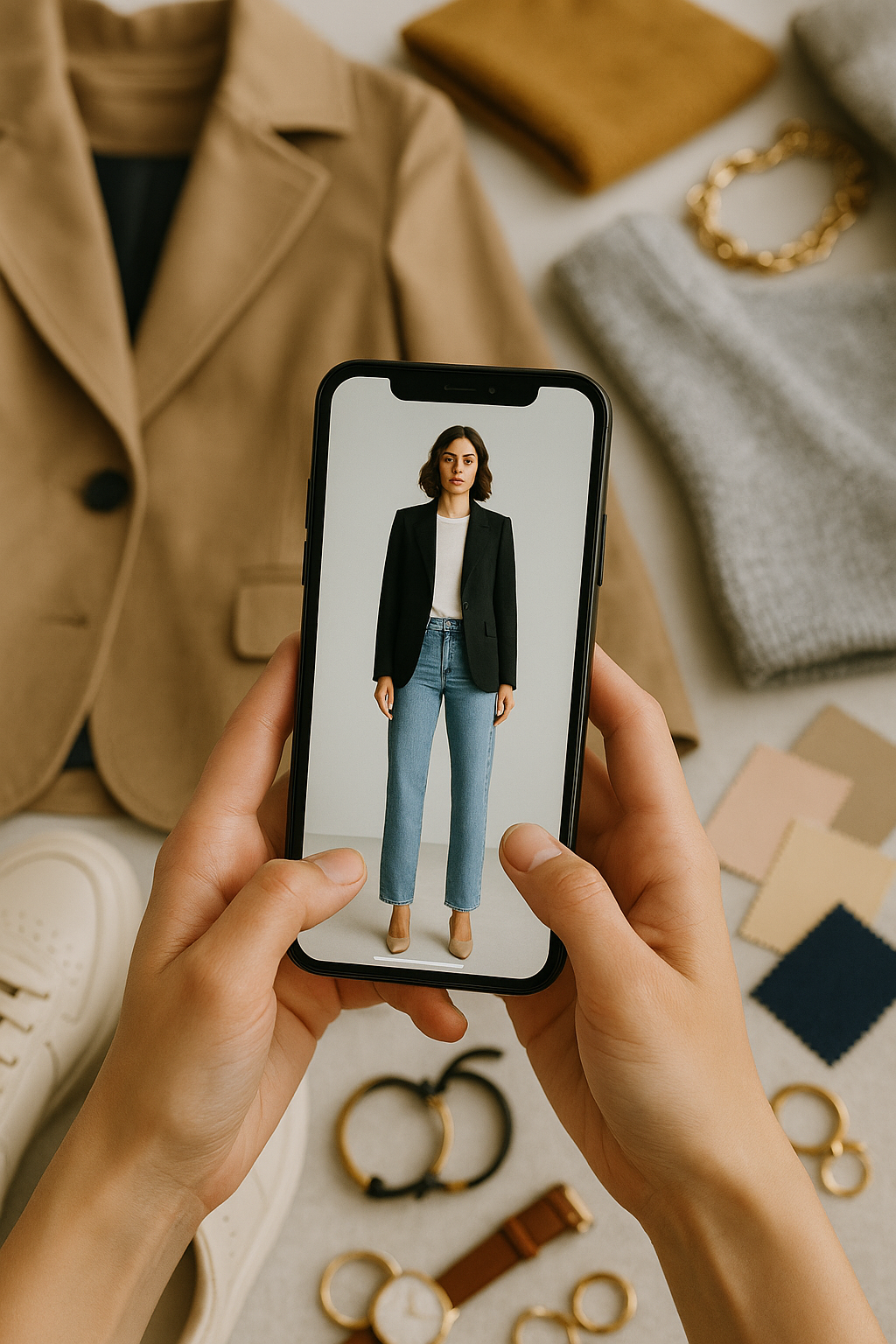
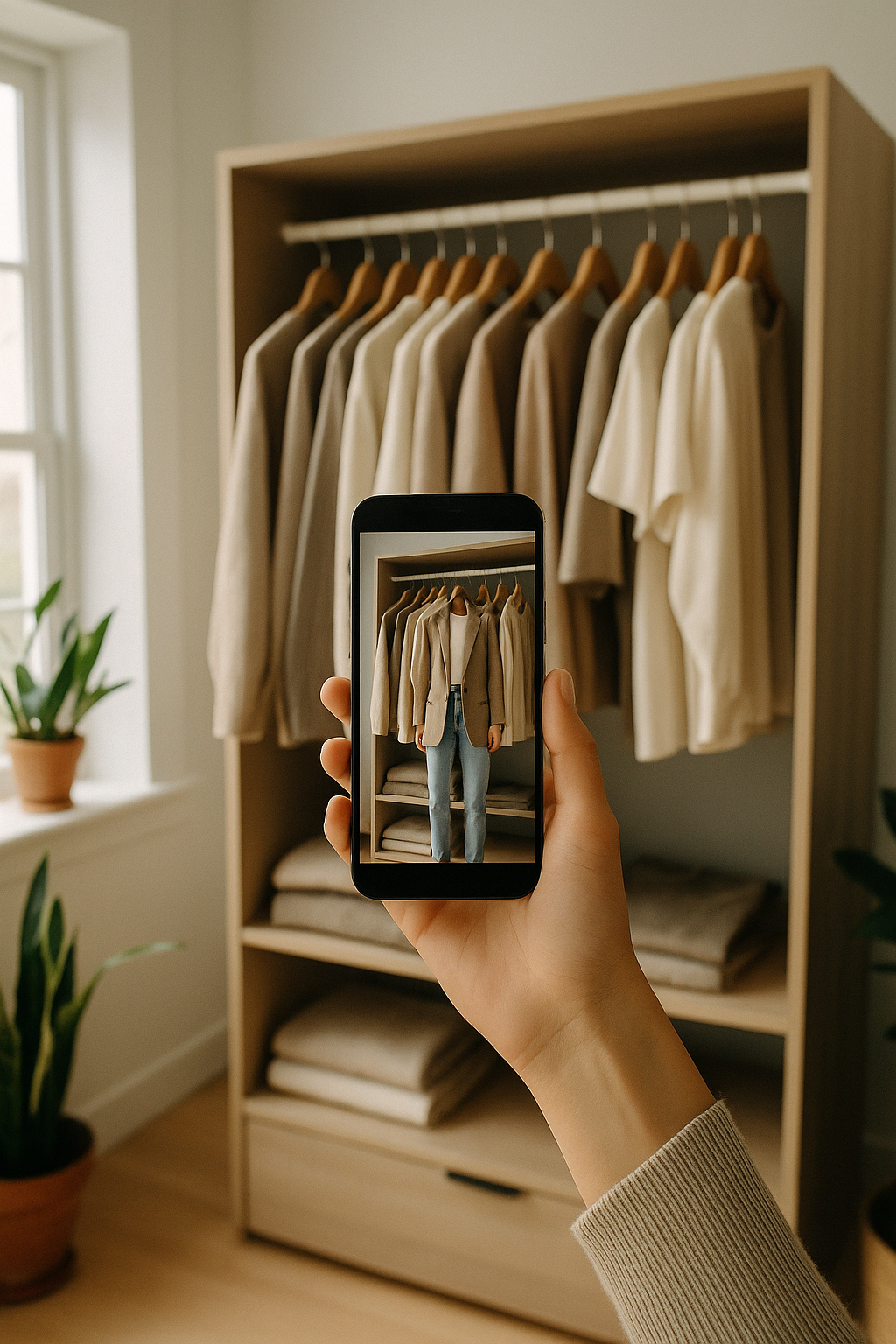
Virtual try-ons are revolutionizing how people shop and style themselves online. Instead of scrolling through endless product photos, Gen-Z shoppers can now upload a picture of themselves and see exactly how an outfit looks on their body type. This technology bridges the gap between imagination and reality.
AI tools like Tryfits AI are leading this new wave of personalization. The app allows users to virtually try on clothes with a single photo, offering realistic previews in video format. It even provides styling suggestions through your stylist, an AI stylist that helps users discover what looks best on them. For Gen-Z, this feels like having a fashion assistant that understands both their body and their vibe.
Instant Gratification, Real Confidence
In a world of instant everything, virtual try-ons deliver what Gen-Z wants most: speed and validation. They can test multiple looks in seconds without needing to change clothes or visit a store. This empowers them to experiment with styles they might not have considered before, boosting confidence and creativity.
It also reduces decision fatigue. When users can visualize how a piece fits or flows, they make smarter purchases. That’s especially valuable for young consumers navigating between trends, budgets, and personal taste.
The Social Media Effect: Dressing for the Feed
Social media has redefined the purpose of clothing. It’s not just about comfort or practicality anymore; it’s about content. A Gen-Z shopper might wear an outfit once, post it, and move on to the next look. This shift has fueled demand for both affordable fast fashion and sustainable digital fashion alternatives.
Digital Fashion for the Digital Feed
Many influencers now use digital clothing to post unique outfits without constantly buying new ones. Virtual fashion brands create hyper-realistic pieces that can be “worn” in photos or videos using AI and AR technology. This gives creators unlimited styling possibilities without environmental waste.
Imagine a creator planning a week’s worth of Instagram content. Instead of physically buying five new outfits, they can use a virtual try-on app like Tryfits AI to preview and post different styles. It’s faster, cheaper, and better for the planet. Plus, it allows them to engage with followers over fashion choices in real time, making content creation more interactive and authentic.
The Rise of the Metaverse Wardrobe
Gen-Z isn’t just shopping for physical clothes; they’re investing in digital fashion assets that can move across platforms. From metaverse events to digital collectibles, their wardrobe now exists in pixels as much as in fabric.
Luxury brands like Gucci and Balenciaga have already entered the metaverse, selling digital outfits for avatars. For Gen-Z, this is not a gimmick but a natural evolution. Just as they personalize their phones with wallpapers and apps, they personalize their digital selves with fashion choices that communicate identity, mood, and community.
Identity Through Avatars
In the metaverse, clothes are no longer limited by gender, size, or material. They become pure expressions of creativity. A user can wear glowing jackets, floating accessories, or shape-shifting dresses that wouldn’t be possible in real life. For a generation that values inclusivity and self-expression, this is revolutionary.
Virtual try-on platforms act as the bridge between physical and digital wardrobes. By testing styles on real photos, users can decide which aesthetics they want to translate into their metaverse personas. It’s a seamless blend of both worlds, empowering them to curate a cohesive fashion identity across all realities.
Sustainability and Digital Fashion
Another major reason Gen-Z embraces digital fashion is sustainability. This generation is deeply aware of the environmental cost of fast fashion and overconsumption. Virtual try-ons reduce the need for excessive buying and returning, two of the biggest contributors to fashion waste.
Instead of ordering multiple sizes or styles and sending back half, users can preview the perfect fit virtually. Apps like Tryfits AI make this experience realistic and accessible, cutting down on unnecessary shipping and packaging. The result is a smarter, greener approach to fashion consumption.
Virtual Over Physical: The Eco-Friendly Choice
Digital fashion eliminates fabric waste, dyes, and carbon emissions from shipping. Even for content creators, swapping physical outfit hauls for digital ones can significantly lower their footprint. For a generation that prioritizes ethics and innovation, digital fashion isn’t just a trend-it’s a solution.
Creativity and Self-Expression Go Virtual
Fashion has always been about storytelling. Every outfit tells a story about who you are or how you feel. Virtual try-on technology amplifies this storytelling power by giving Gen-Z the tools to explore their aesthetic identities without constraints.


Want to see how you’d look in streetwear, cottagecore, or avant-garde fashion? Virtual try-ons make it easy to experiment fearlessly. With AI-driven styling tools like Tryfits AI, users can even get personalized advice from your stylist, who learns their preferences and helps refine their signature look.
From Consumers to Co-Creators
Gen-Z doesn’t just want to wear fashion-they want to participate in it. Many use AI tools and digital platforms to co-create new looks, remix styles, and share outfit inspiration with their communities. This participatory culture turns fashion into a two-way conversation rather than a one-sided industry.
Some even design virtual clothing themselves, selling their creations on platforms like DressX or Roblox. It’s a new kind of fashion economy powered by creativity, tech, and community engagement.
Shopping as an Experience, Not a Transaction
For Gen-Z, shopping isn’t just about buying. It’s about the experience-the discovery, the creativity, and the expression. They value interactive, immersive shopping experiences that blend entertainment and technology. This is why they’re drawn to AR mirrors, virtual stores, and AI stylists.
Virtual try-ons turn shopping into play. You can mix and match styles, test bold pieces, and see instant results without any pressure. This gamified approach keeps users engaged and encourages exploration, making online fashion as dynamic as a social app.
Personalization Is the New Luxury
Forget traditional luxury. For Gen-Z, personalization is what makes a brand feel premium. AI-powered recommendations that understand their taste and body type are far more valuable than a logo. Tools like Tryfits AI make personalization effortless by adapting to each user’s unique style profile and preferences.
When users feel seen and understood, their connection to fashion deepens. They stop chasing trends and start building authentic, personalized wardrobes that truly reflect who they are.
How Brands Are Adapting to the Digital Shift
Fashion brands are racing to catch up with Gen-Z’s digital habits. Many are integrating virtual try-on experiences into their online stores or collaborating with AI platforms to enhance user engagement. Others are launching limited-edition digital collections that can be worn online or in the metaverse.
This shift also opens new opportunities for inclusivity. Digital fashion allows brands to represent diverse body types, skin tones, and styles without physical production limits. It creates a more accessible and customizable shopping experience for everyone.
Influencer Collaborations and Digital Drops
Influencers play a major role in accelerating these trends. They showcase virtual try-ons, review AI styling tools, and promote digital outfits to their followers. Each collaboration sparks curiosity among audiences eager to replicate the same tech-driven experiences.
For instance, imagine an influencer previewing their outfit using Tryfits AI before a major event. Their followers can instantly visualize the same look on themselves, creating a ripple effect of engagement and discovery across social platforms.
The Future of Fashion Is Hybrid
The next chapter of fashion isn’t physical or digital-it’s hybrid. Gen-Z will continue to merge both worlds, using virtual tools to enhance real-life fashion decisions. Brands that embrace this fusion will thrive, while those that resist will struggle to stay relevant.
AI try-ons, digital wardrobes, and virtual stylists are just the beginning. Soon, fashion ecosystems will allow seamless transitions between buying a physical outfit and unlocking its digital version for avatars or content. This hybrid future is where fashion truly becomes borderless.
Conclusion: The Digital Fashion Movement Is Here to Stay
Gen-Z’s obsession with digital fashion isn’t a passing trend-it’s a cultural shift. They’re redefining how fashion is created, experienced, and shared. Virtual try-ons, AI styling assistants, and digital wardrobes empower them to express themselves more freely while being mindful of sustainability and individuality.
Whether you’re a creator planning content, a shopper tired of returns, or simply curious about your next look, exploring virtual fashion tools can transform the way you engage with style. Apps like Tryfits AI make it easy to experiment with trends, get personalized advice, and see how any outfit looks on you before buying.
Ready to see how that outfit looks on you? Try the future of fashion with Tryfits AI today.