From Closet to Content: How Creators Are Using AI to Plan, Style, and Monetize Their Looks
In the fast-paced world of digital fashion, content creators have become the new style authorities. From TikTok outfit transitions to YouTube hauls and Instagram lookbooks, creators are driving trends faster than ever. But with so much demand for fresh, consistent, and visually appealing content, managing outfits, styling ideas, and monetization strategies can get overwhelming.
Enter AI-powered fashion tools that are changing the game. With apps like Tryfits AI, creators are no longer just relying on intuition or guesswork to plan their looks. They’re using virtual try-ons, smart outfit planning, and AI style assistants to streamline their workflow and transform how they create and share fashion content.
The Creator’s New Challenge: Consistency Meets Creativity
Whether you’re a seasoned influencer or an emerging creator, the pressure to post consistently while maintaining aesthetic cohesion is real. Followers expect regular updates, brands want polished collaborations, and algorithms favor consistency. Yet, fashion content takes time, from outfit selection to shooting and editing.
 LIVE FITTING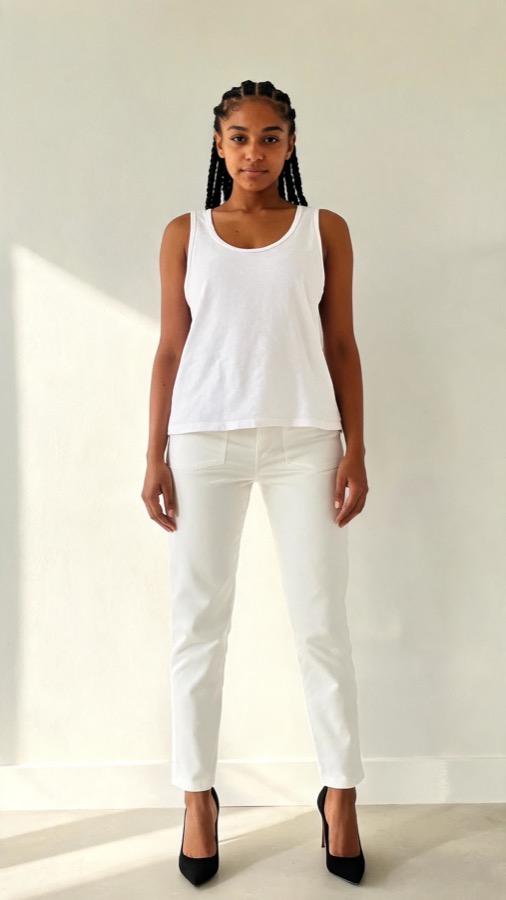

This is where AI-driven tools step in. They help creators cut down the time spent planning and styling, freeing them to focus on storytelling and creativity instead.
Before AI: The Traditional Fashion Content Workflow
Here’s what most creators used to go through before the rise of AI fashion tools:
- Outfit planning chaos – Sorting through closets or online stores for hours to find the perfect pieces.
- Styling uncertainty – Trying on multiple combinations and second-guessing what works best on camera.
- Content fatigue – Spending entire days on shoots just to capture a handful of usable looks.
- Limited visualization – Struggling to imagine how clothes would look on them before ordering or shooting.
Now, creators can visualize and refine looks virtually before they even touch the camera, saving time and resources.
How AI Is Transforming the Creator Workflow
AI fashion technology doesn’t replace creativity – it enhances it. By analyzing body proportions, color theory, and outfit dynamics, these tools act as intelligent stylists that learn and adapt to a creator’s unique fashion identity.
1. Virtual Try-Ons: The Ultimate Pre-Production Hack
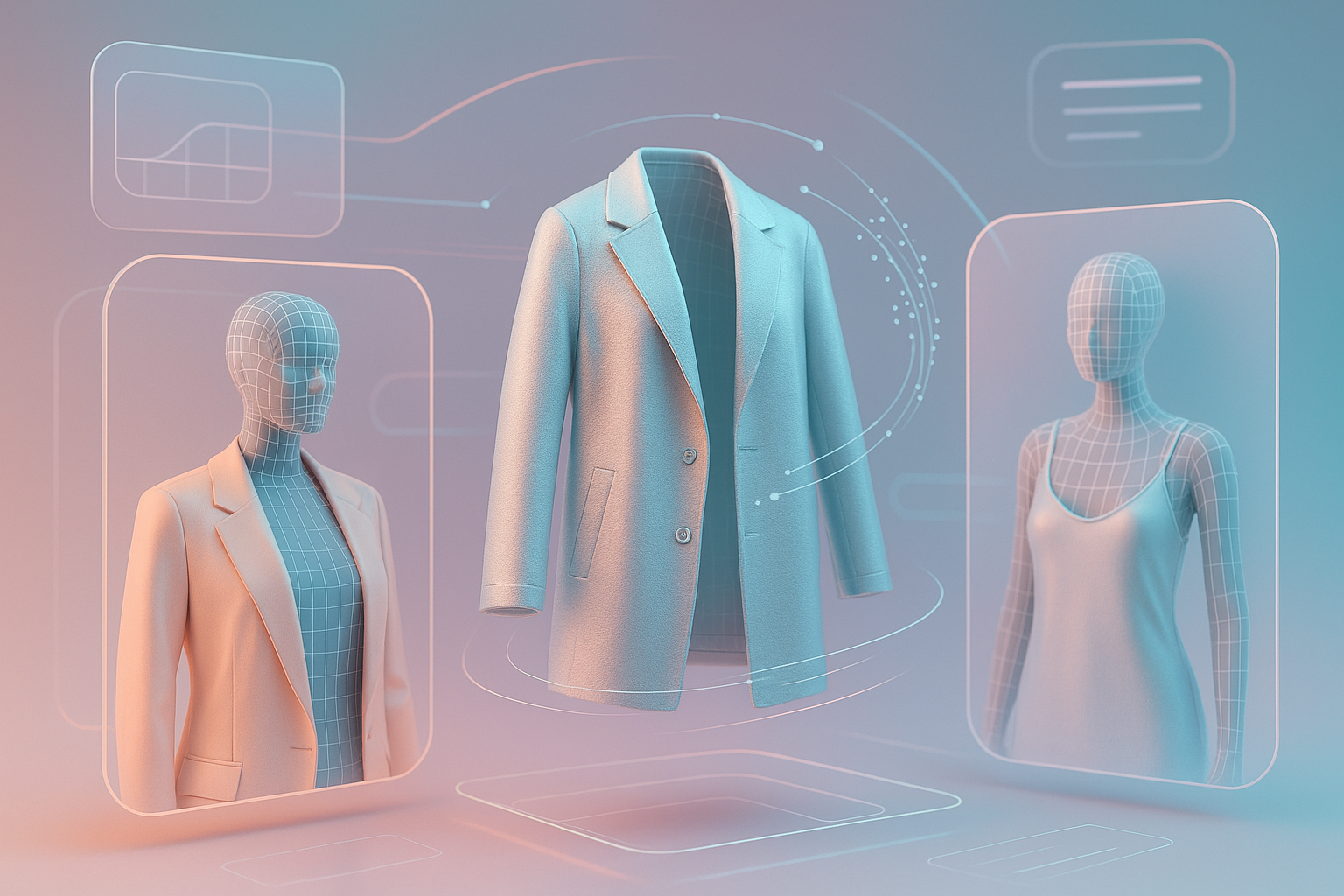
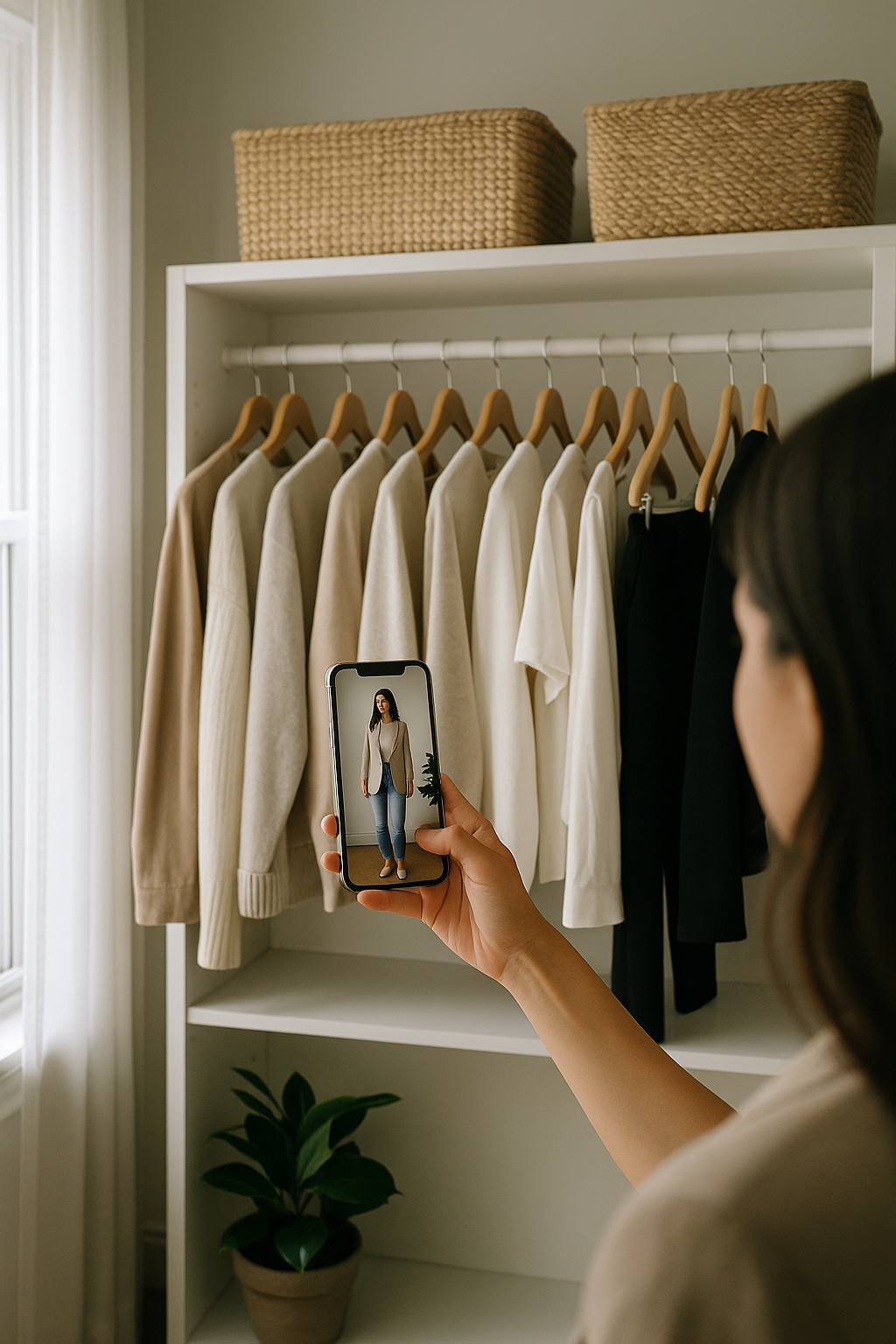
Imagine being able to see how a dress, jacket, or streetwear look fits your body before you buy or shoot it. That’s what virtual try-on tools like Tryfits AI offer. With just one photo, creators can preview entire outfits in realistic 3D video or photo formats, helping them plan looks for their next post, trip, or brand campaign.
This isn’t just convenient – it’s strategic. By knowing exactly how an outfit will look and move on camera, creators can:
- Pre-select the best pieces for upcoming shoots
- Avoid costly purchases that don’t match their aesthetic
- Create outfit sequences or transitions in advance
- Collaborate with brands faster through virtual styling previews
2. AI-Powered Styling: Personalized Inspiration in Seconds
AI styling tools act like digital co-creators. Instead of endlessly scrolling Pinterest or old mood boards, creators can upload a few images of their current wardrobe or favorite styles. The AI then generates tailored outfit combinations, recommends complementary pieces, and even suggests themes for content.
For example, with Tryfits AI’s style assistant “your stylist,” creators can describe what kind of content they’re planning – say, “a weekend streetwear shoot in New York” – and your stylist instantly curates fitting outfit ideas and color palettes. It’s like having a fashion-savvy best friend who knows your aesthetic inside out.
3. Closet Digitization: Turning Your Wardrobe into a Content Library
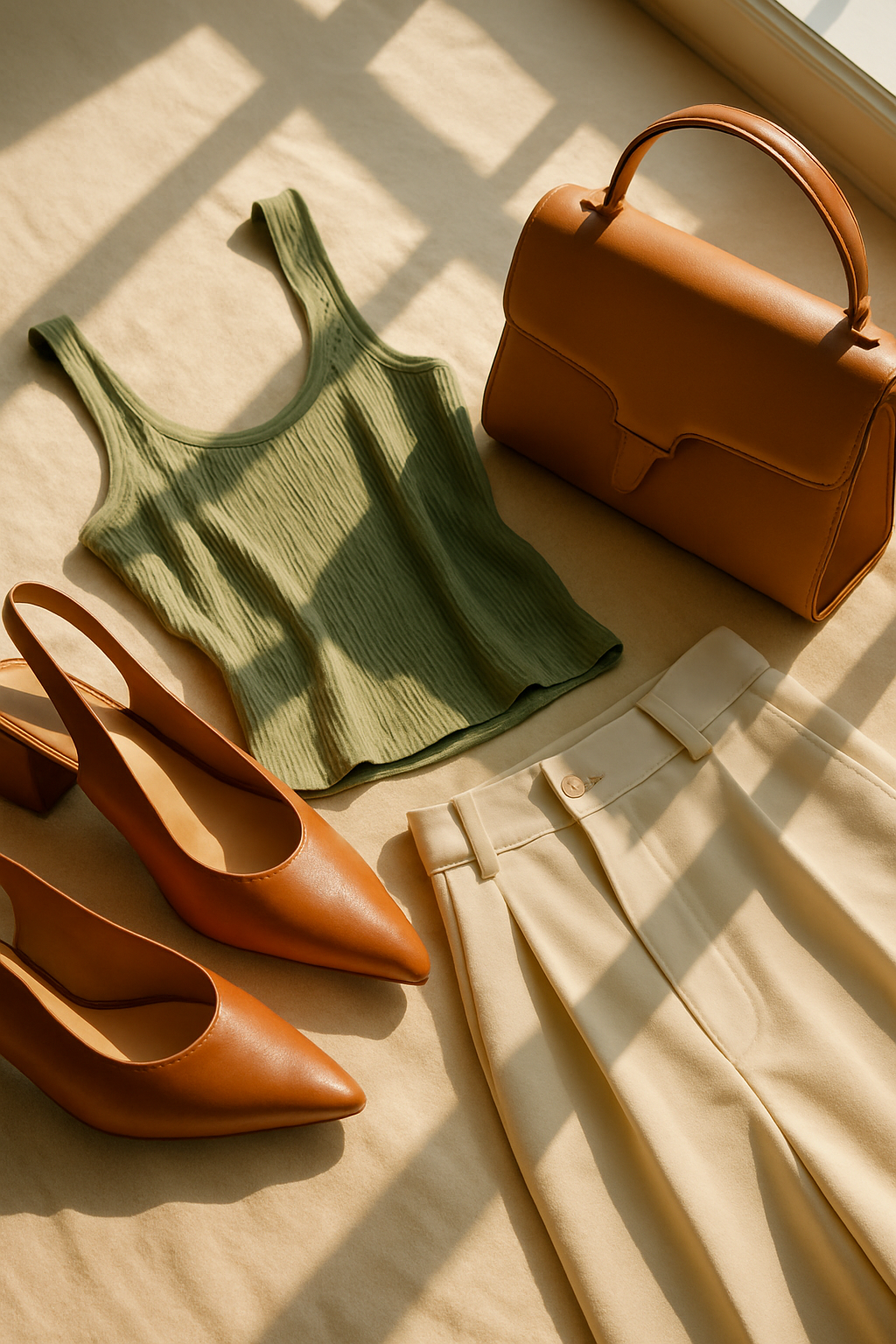
Another major AI upgrade for creators is digital closet organization. Instead of rummaging through clothes every time inspiration strikes, you can upload your wardrobe digitally and mix and match outfits virtually. This makes it easier to:
- Visualize combinations before shoots
- Re-use older pieces in new ways
- Track which looks have already appeared on your feed
- Plan cohesive outfit aesthetics for brand collaborations
Think of it as your personal styling archive that doubles as a production planner. This method also aligns perfectly with sustainability trends, encouraging creators to repurpose existing wardrobe items for fresh content.
4. AI Content Planning and Coordination
Beyond styling, AI can assist in planning the flow of fashion content. Some tools now analyze engagement metrics, color consistency, and seasonal trends to help creators organize shoots and posting schedules.
For example, you can plan “capsule” outfit series that maintain a consistent tone throughout a month, ensuring that your Instagram grid or TikTok feed looks visually cohesive. AI insights can suggest what colors or silhouettes your audience engages with most, helping refine your fashion storytelling.
Monetizing Looks with AI Support
Once creators perfect their style workflow, the next step is turning that consistency into income. AI can play a pivotal role in making fashion content more marketable and brand-friendly.
1. Smarter Brand Collaborations
Brands increasingly expect creators to visualize campaign outfits before shoots. Virtual try-ons let you present styled previews or mood boards that demonstrate your creative direction with precision. This helps build trust with brands and increases the likelihood of repeat partnerships.


For instance, a creator can use Tryfits AI to generate realistic try-ons of sponsored pieces, providing the brand with visual confirmation of how their clothing aligns with your audience and aesthetic. This level of preparation can make you stand out as a professional partner.
2. Affiliate Marketing and “Try-On” Reviews
One of the most popular ways creators monetize their looks is through outfit reviews and affiliate links. AI-generated try-ons let you produce content for multiple looks without needing to physically own every item.
Imagine reviewing five jackets from different brands by virtually trying each one on using AI. You can share how each fits, moves, and complements your style – all before purchasing. This approach boosts engagement and helps followers make confident buying decisions, which translates to higher affiliate conversions.
3. Launching Virtual Lookbooks
AI also opens the door for creators to develop virtual lookbooks or digital style guides. With virtual try-ons, you can compile cohesive outfit series for your audience to explore – from “Back-to-School Edits” to “Vacation Fits.”
These lookbooks can be shared as downloadable guides, shoppable links, or interactive social content. It’s an excellent way to showcase styling expertise while creating new monetization streams through brand partnerships or subscriptions.
4. Scaling Personal Styling Services
Many creators are turning their fashion expertise into business by offering styling consultations. With AI-driven tools, it’s easier to scale that service. You can use virtual try-ons to create personalized outfit suggestions for clients, reducing manual labor and increasing value per session.
Some creators even integrate AI into their subscription models, offering monthly styling updates or outfit recommendations using tools like Tryfits AI as part of their service workflow.
Real-World Scenarios: How Creators Are Doing It
Example 1: The TikTok Fashion Creator
Sophia, a lifestyle and fashion creator, uses AI try-ons to preview new streetwear drops. Instead of waiting for shipping delays, she uploads her photo into Tryfits AI, tries on new items virtually, and creates “AI outfit reaction” videos for her followers. Her audience loves seeing how the pieces look in real-time, and brands love the exposure she generates before their product even launches.
Example 2: The Travel Influencer
Marcus, a travel influencer, plans his destination outfits virtually before flights. He uses AI styling assistants to visualize fits that match the location vibe – for example, “Santorini whites” or “Tokyo streetwear.” This helps him pack smarter and ensures his travel reels look aesthetically cohesive across locations.
Example 3: The Micro-Influencer Turned Stylist
Amara started as a small fashion creator but leveraged AI styling tools to expand her reach. By offering AI-powered outfit planning for her followers, she grew her page engagement by 40% and began offering personalized virtual styling sessions. Her digital try-ons became part of her unique brand identity.
Actionable Tips for Creators Looking to Use AI in Fashion
- Start small. Try AI tools for one part of your workflow, such as outfit visualization or digital wardrobe management, before expanding to full production planning.
- Use your data. Pay attention to your audience engagement metrics. Combine AI style insights with real feedback to refine your fashion direction.
- Collaborate smarter. Share AI-generated outfit previews with brands to demonstrate professionalism and creative capability.
- Repurpose content. Use virtual try-ons to extend older looks into new content formats, such as AI outfit comparisons or before-and-after style transitions.
- Stay authentic. Use AI as an enhancement, not a replacement. Your unique perspective is what connects with your audience.
The Future of Creator Fashion Is AI-Enhanced
We’re only scratching the surface of what AI can do for creators. As fashion technology evolves, creators will have more tools to personalize, optimize, and monetize their style effortlessly. AI-driven platforms are bridging the gap between creativity and practicality, helping influencers move from spontaneous styling to data-backed fashion strategy.
And for creators who want to get ahead, adopting tools like Tryfits AI can make a world of difference. With realistic video try-ons, personalized AI styling through your stylist, and smart outfit previews, it’s easier than ever to go from idea to content in minutes – without the trial-and-error chaos.
Conclusion: From Closet to Content, Smarter Than Ever
Fashion creation is no longer just about intuition and experimentation. With AI, creators can plan, style, and monetize their looks efficiently while staying true to their aesthetic. Whether you’re mapping out your next photoshoot, curating a digital wardrobe, or collaborating with brands, AI offers the insight and efficiency you need to scale your creative potential.
Ready to see how that outfit looks on you? Try the future of AI fashion today with Tryfits AI and start transforming your closet into content that converts.