The Rise of Interactive Fashion: How Technology Is Shaping Style Culture in 2025
The fashion world is no longer just about fabric, colors, or runway trends. In 2025, style has become interactive, personalized, and powered by technology. From AI-driven outfit recommendations to immersive virtual try-ons, fashion is now a fully digital experience that connects creativity, convenience, and community. This shift, often called the rise of interactive fashion, is transforming how we express ourselves and shop for clothes in ways that were unimaginable a decade ago.
What Is Interactive Fashion?
Interactive fashion combines digital technology with personal expression. It allows consumers to engage with fashion in real time through virtual tools, augmented reality, and AI-powered personalization. Rather than just browsing images or models, people can now “interact” with clothing-trying on outfits virtually, customizing designs, and sharing looks across platforms instantly.
Think of it as the evolution of fashion from static displays to dynamic experiences. With the rise of mobile fashion apps and AI styling tools, people can see exactly how an outfit will look on their own body before ever purchasing it. This innovation bridges the gap between inspiration and decision-making, turning fashion into a participatory process rather than a passive one.
 LIVE FITTING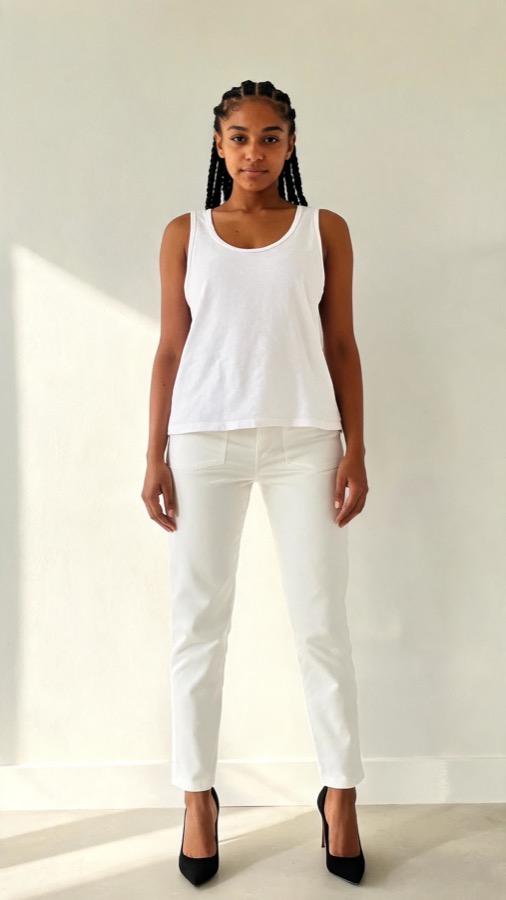

How Technology Is Redefining Style Culture
1. AI Personalization and Virtual Try-Ons
Artificial Intelligence has entered the style scene with full force. Today’s consumers no longer have to guess whether something will fit or flatter them. AI-driven tools can analyze body shapes, color palettes, and personal style preferences to deliver highly accurate recommendations.
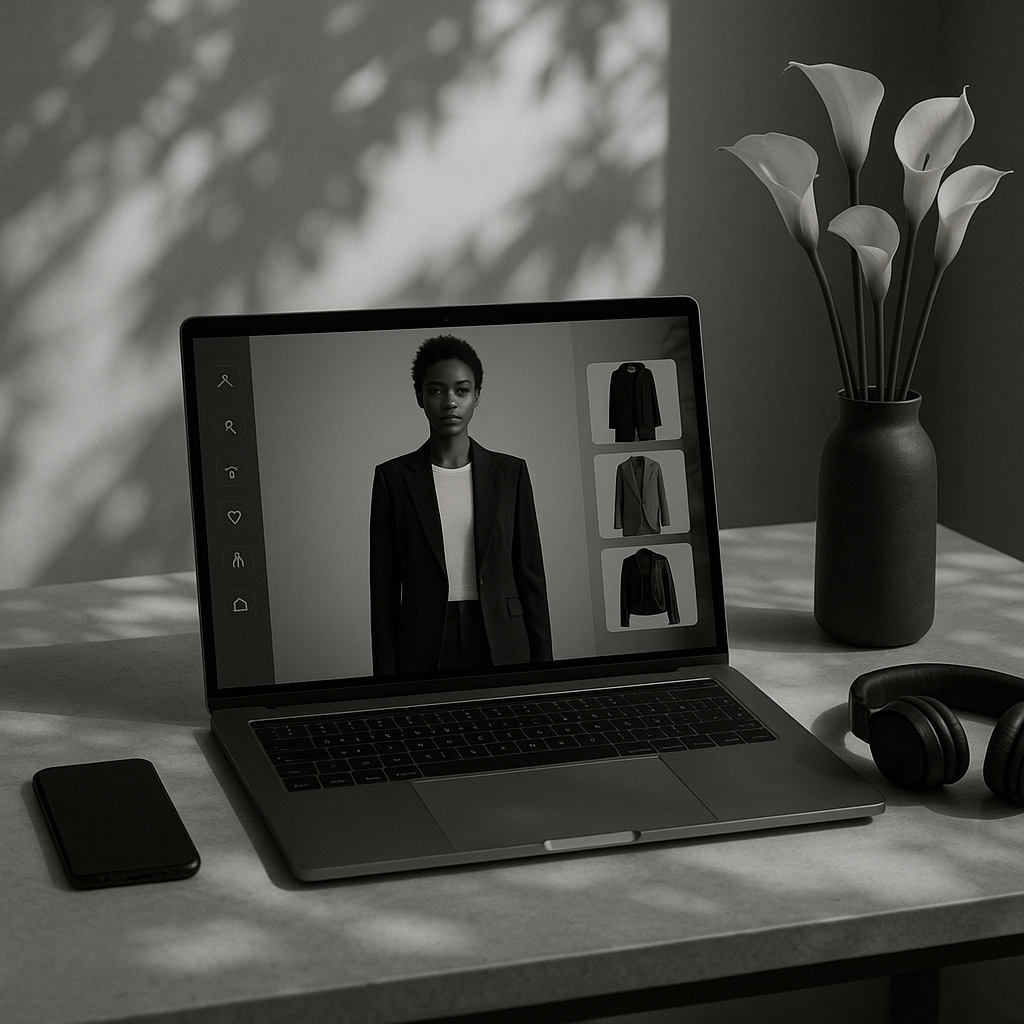
For example, Tryfits AI (https://tryfitsai.com) lets users virtually try on clothing using just a photo. It simulates how outfits move and look on the user through realistic video try-ons, helping shoppers make smarter and more confident choices. Beyond try-ons, the app’s AI stylist, your stylist, offers personalized fashion advice based on trends, fit, and aesthetic. This makes fashion feel both fun and functional-an experience tailored uniquely to you.
AI is also revolutionizing shopping habits. Instead of scrolling through hundreds of product photos, you can instantly see how a piece looks on your digital self. This interactive layer removes uncertainty and boosts the confidence to explore new styles that you might not have considered otherwise.
2. Augmented Reality (AR) and Digital Fitting Rooms
Virtual fitting rooms are no longer a futuristic concept-they are a staple of online fashion in 2025. Using AR, shoppers can overlay digital garments onto their live camera feed to see how clothes fit from different angles. This experience mirrors an in-store fitting but without leaving your living room.
Major brands have adopted this technology to enhance online shopping. Retailers now offer AR previews that let you walk, turn, and pose in virtual outfits. This shift has reduced return rates and increased customer satisfaction because buyers can visualize their purchases before checkout.
3. The Rise of Digital-Only Fashion
In the digital fashion realm, you can now buy clothes that exist purely online. These digital outfits are designed to be worn on avatars, in social media photos, or even during virtual events. The trend began with gaming and social platforms, but in 2025 it has expanded into mainstream fashion culture.
Influencers and digital creators are at the forefront of this movement. They showcase limited-edition digital clothing collections, selling them as collectibles or NFTs. These items represent both creativity and sustainability-allowing self-expression without the environmental impact of physical production.
This shift also blurs the boundaries between art, fashion, and identity. People are exploring multiple digital personas through what they wear online. From virtual red carpet looks to AI-styled social media posts, digital fashion lets users experiment freely and endlessly.
4. Smart Fabrics and Wearable Tech
Interactive fashion isn’t limited to the digital world. Physical clothing is also getting smarter. Designers are integrating sensors, microchips, and responsive fabrics into garments that adapt to temperature, movement, and emotion. Imagine a jacket that changes color based on your mood or sneakers that track your posture and suggest better walking habits.
Wearable tech has become both functional and fashionable. Smartwatches and AR glasses have seamlessly merged with luxury aesthetics. In 2025, these accessories are no longer just gadgets-they are style statements. The convergence of technology and design is creating a new category of high-tech chic.
Why Interactive Fashion Matters
1. Sustainability Through Smart Shopping
One of the biggest benefits of interactive fashion is its contribution to sustainability. Virtual try-ons, digital samples, and AI-driven sizing help reduce returns and minimize waste. By eliminating the guesswork in online shopping, consumers are making fewer impulsive purchases and more intentional choices.
Fashion brands are also using 3D design tools to prototype clothing digitally before physical production. This reduces material waste and energy consumption, aligning with the industry’s growing commitment to sustainability. As more consumers prioritize ethical shopping, interactive tools are helping bridge the gap between eco-conscious values and style-driven desires.
2. Accessibility and Inclusivity
Interactive fashion levels the playing field for all body types, genders, and personal styles. Traditional fashion often caters to limited representations, but digital try-ons and AI styling tools empower everyone to visualize clothing that suits their individuality.
Apps like Tryfits AI allow users to upload their own photo and see how clothing fits their unique body, not a model’s. This inclusivity helps dismantle long-standing barriers in fashion, making style exploration more accessible and confidence-boosting for all.
3. Self-Expression in the Digital Age
As more of our lives move online, personal style has extended into the digital world. Avatars, video calls, and social media have become stages for self-expression. Interactive fashion enhances that expression by allowing instant experimentation with different looks and aesthetics.


Whether you’re attending a virtual event or curating your online persona, digital fashion tools let you play with identity in exciting ways. The ability to switch between minimalist chic and bold streetwear with a few taps creates endless creative freedom.
How Creators Are Driving the Interactive Fashion Boom
Fashion influencers and digital creators have played a massive role in pushing interactive fashion into the mainstream. Platforms like TikTok, Instagram, and YouTube are filled with creators using virtual styling tools to showcase outfit ideas, product reviews, and trend experiments.
These creators use technology to tell fashion stories in immersive ways. Virtual try-ons, outfit transitions, and AI-assisted styling videos captivate audiences while inspiring authentic engagement. Instead of static lookbooks, we now see interactive, dynamic content that invites followers to participate.
Many creators use Tryfits AI to produce realistic outfit previews and styling reels. The app’s virtual try-on and AI stylist features help influencers visualize different fashion combinations quickly, allowing them to plan and promote looks with accuracy. This efficiency helps creators focus more on content and storytelling rather than logistics or guesswork.
Tips for Creators in the Interactive Fashion Space
- Leverage Virtual Try-Ons: Use apps like Tryfits AI to test outfit combinations before filming or posting. This helps refine your visual story and ensures every piece complements your aesthetic.
- Mix Real and Digital Elements: Blend physical wardrobe pieces with digital styling overlays to create hybrid looks that feel futuristic yet relatable.
- Engage Your Audience: Encourage followers to vote on virtual outfit options or suggest new looks. Interactivity builds community and boosts engagement.
- Stay Authentic: Technology should enhance your style, not replace it. Keep your voice and taste central to your fashion storytelling.
Emerging Trends in Interactive Fashion for 2025
1. Realistic Virtual Avatars
Advanced body-scanning and AI rendering have made digital avatars more lifelike than ever. Shoppers can now create avatars that mirror their exact proportions, allowing hyper-realistic outfit visualization. These avatars are also used in gaming, social platforms, and even digital fashion shows, creating cross-platform consistency in personal style.
2. Live Fashion Experiences in the Metaverse
Virtual fashion shows and immersive shopping events are redefining how we experience fashion launches. Brands are building digital environments where users can interact with new collections, speak with designers, and even purchase limited-edition pieces in real time. These experiences are blending entertainment, e-commerce, and community interaction.
3. AI Stylists as Everyday Companions
AI fashion assistants like your stylist from Tryfits AI are becoming digital style companions. They learn your wardrobe preferences, analyze your upcoming calendar events, and suggest outfits based on weather, trends, or occasion. This automation turns daily dressing into a seamless experience while maintaining a sense of individuality.
4. Hybrid Fashion Events
The fashion week of the future is both physical and digital. Designers are hosting hybrid events where physical garments are displayed alongside their digital counterparts. Audiences can attend virtually, try on looks in real time, and even purchase directly from the runway. This interconnected experience is democratizing fashion access globally.
How to Embrace Interactive Fashion in Your Own Life
Interactive fashion isn’t just for tech enthusiasts or professionals. Anyone can benefit from these tools to make style more efficient, expressive, and fun. Here are practical ways to get started:
- Try Virtual Outfit Planning: Before shopping, upload a photo into an app like Tryfits AI to test how different styles look on you. It saves time and prevents regret purchases.
- Curate a Digital Wardrobe: Use apps or platforms that let you upload your wardrobe items. Mix and match outfits digitally to discover new combinations.
- Experiment with Trends Safely: Want to see if a bold pattern suits you? Virtual try-ons let you explore risk-free before investing in real pieces.
- Join Fashion Communities: Engage with others exploring digital fashion. Many platforms host virtual styling challenges and trend discussions that inspire creativity.
The Future of Interactive Fashion
By 2025, interactive fashion has moved beyond novelty. It’s an integral part of how we live, shop, and express ourselves. As technology evolves, fashion will continue merging with artificial intelligence, data, and digital creativity to produce experiences that feel deeply personal and visually inspiring.
We’re entering an era where fashion is no longer dictated by runways alone. It’s being shaped by individuals experimenting with digital tools and expressing style across virtual and real spaces alike. The line between fashion and technology is fading, leaving behind a dynamic ecosystem where innovation drives identity.
Conclusion: Style Meets Technology, and the Future Looks Good
Interactive fashion represents a powerful cultural shift. It’s more inclusive, sustainable, and creative than ever before. Whether through AI styling, AR fitting rooms, or digital-only collections, technology is transforming fashion into a more connected and expressive experience for everyone.
For anyone looking to explore this new frontier, tools like Tryfits AI are making it easier than ever to experience fashion interactively. Upload your photo, try on outfits virtually, and let AI help you discover your signature look with confidence.
Ready to see how that outfit looks on you? Try Tryfits AI today and experience the future of fashion firsthand.