AI Fashion: Fashion Forecasting 2.0 – How Predictive AI Is Designing Tomorrow’s Trends Today
Quick Summary
Predictive AI is transforming the way fashion trends are created, analyzed, and forecasted. From analyzing social media data to predicting color palettes months in advance, AI has become the silent designer shaping what you’ll see in stores next season. In this guide, you’ll learn how AI fashion forecasting works, why it matters, and how tools like Tryfits AI are bringing this future to your fingertips.
Introduction: The End of Guesswork in Fashion
You know how fashion trends seem to appear overnight? One day everyone’s wearing neutral knits, and the next, bold metallics are everywhere. For decades, predicting those shifts was a mix of intuition, experience, and a little luck. But now, that’s changing. Predictive AI has entered the chat, and it’s rewriting how trends are discovered, tested, and brought to life.
Let’s talk about how artificial intelligence is quietly designing tomorrow’s fashion today – with accuracy, speed, and style.
 LIVE FITTING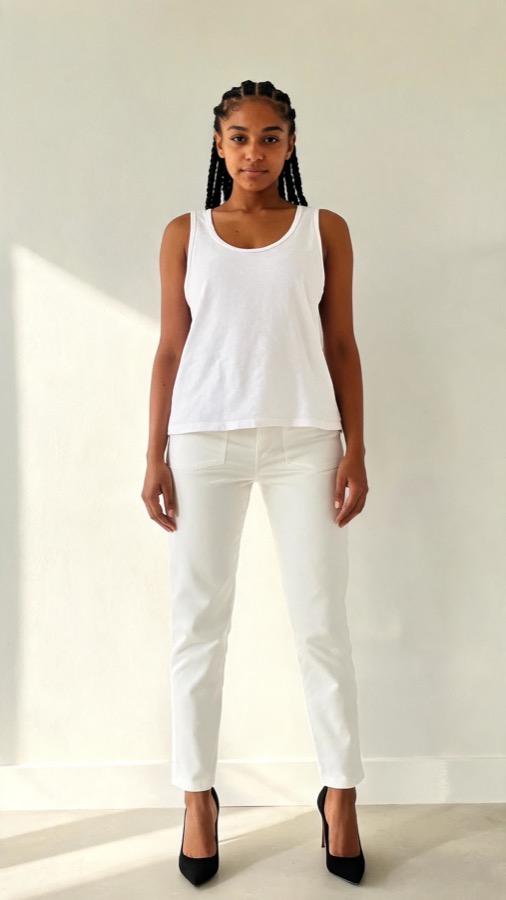

What Is Predictive AI in Fashion Forecasting?
At its core, predictive AI uses data to anticipate what people will want to wear next. It gathers millions of data points from sources like social media, e-commerce sales, search trends, and even weather forecasts. Then it uses algorithms to identify patterns, make predictions, and recommend design directions for brands.
How It Works (In Simple Terms)
Imagine your favorite designer had access to billions of outfit photos, Pinterest boards, and Instagram posts. AI processes all that information at lightning speed and says, “Hey, looks like people are loving metallic boots again.” That’s predictive fashion forecasting in action.
- Data Collection: AI gathers data from social platforms, online retailers, and trend archives.
- Pattern Recognition: It finds recurring styles, colors, or materials gaining momentum.
- Prediction: AI forecasts which looks will dominate next season or year.
Why It Matters
Predictive AI eliminates the guesswork that has traditionally made fashion so risky. Designers can make smarter decisions. Retailers can stock smarter. And shoppers can find pieces that actually align with what’s trending – not what was trending six months ago.
The Science Behind AI Fashion Forecasting
1. Data Sources That Fuel Predictions
Let’s break down where AI gets its trend insights:
- Social Media Analytics: Tools track hashtags, captions, and visual trends on platforms like Instagram, TikTok, and Pinterest.
- E-commerce Behavior: AI studies purchase history, wishlists, and product engagement across online stores.
- Street Style & Runway Analysis: Image recognition models analyze what people are actually wearing on the streets and at fashion shows.
- Global Events & Culture: Major cultural shifts, like sustainability movements or pop culture trends, also get factored into predictions.
2. The Machine Learning Models Doing the Heavy Lifting
AI forecasting tools use a mix of supervised and unsupervised learning models. These systems learn what successful trends looked like in the past, then identify similar signals in current data. Neural networks, image recognition, and natural language processing all play roles here.
For example, if an algorithm notices a sudden spike in “olive green cargo skirts” across fashion blogs and TikTok, it might flag that as an emerging microtrend – before retailers even catch on.
3. Real-World Example: The Rise of the Y2K Revival
When early 2000s styles resurfaced, it wasn’t just nostalgia. AI-powered platforms spotted increased online mentions of butterfly clips, denim minis, and low-rise jeans months before the public caught on. Retailers like Zara and ASOS were able to stock up early, making the most of the trend wave.
How Designers Use AI to Create Future Trends
1. Predicting Colors and Fabrics
AI tools can analyze millions of images and pinpoint color palettes gaining traction. For instance, if “buttery yellow” tones start appearing frequently across influencer outfits, the algorithm identifies that as an upcoming color trend.
Designers can then incorporate these hues into next season’s collection confidently, knowing they’re data-backed.
2. Streamlining the Design Process
AI isn’t replacing designers – it’s empowering them. With predictive insights, creative teams can focus more on artistry and less on uncertainty. Some AI tools can even generate design mockups based on emerging aesthetics or materials.
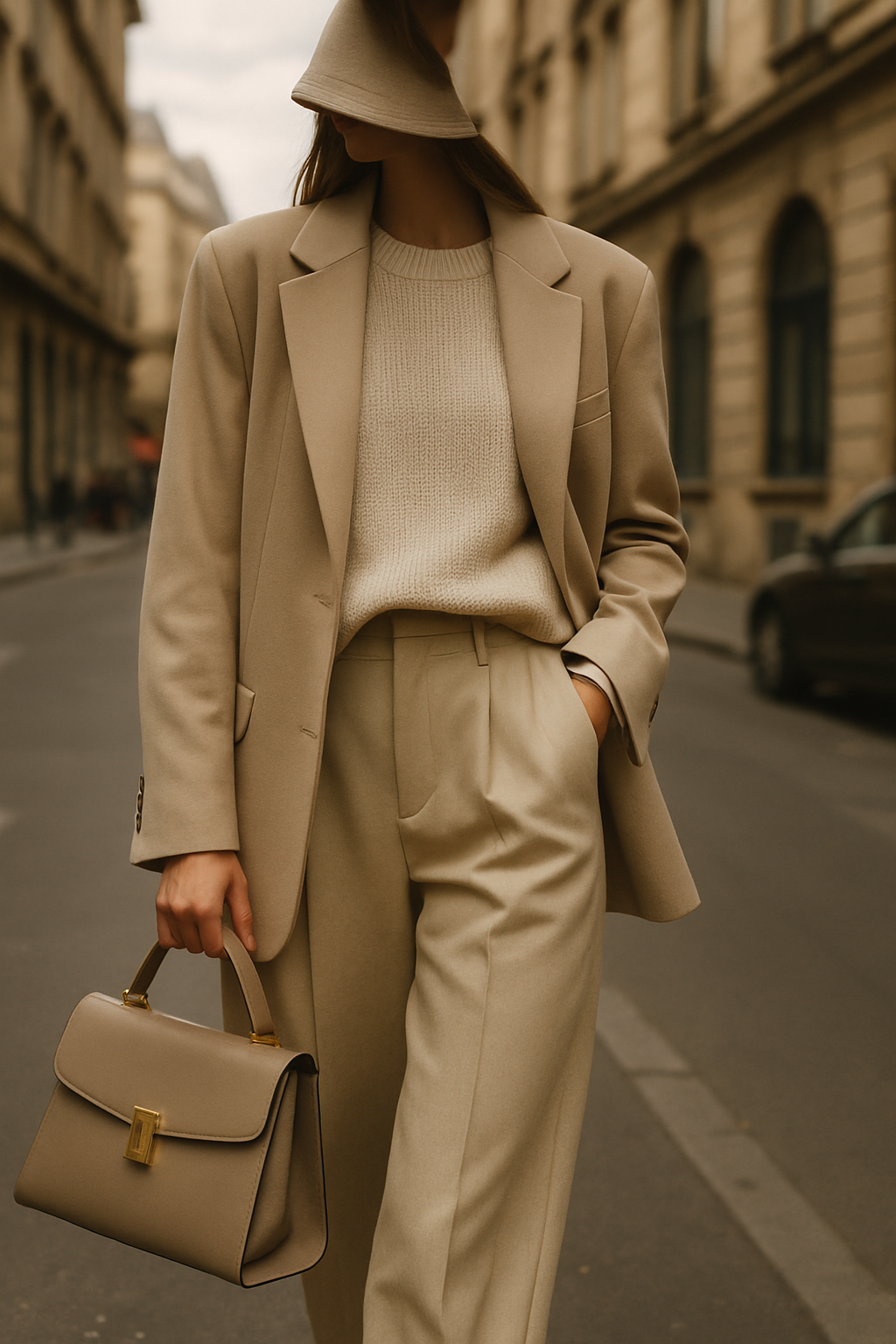
Let’s say you’re a designer who wants to tap into the “quiet luxury” vibe. Predictive AI tools can analyze successful looks, create mood boards, and recommend silhouettes that align with that trend’s evolution.
3. Sustainability and Smart Production
Another bonus: predictive AI helps brands avoid overproduction. When you know what’s likely to sell, you produce smarter and waste less. This shift toward data-driven production is a game changer for sustainability in fashion.
How AI Is Changing the Consumer Experience
1. Personalized Shopping and Style Curation
AI doesn’t just help brands – it helps you shop smarter too. Platforms like Tryfits AI use advanced algorithms to recommend outfits tailored to your personal taste and body type. You can virtually try on looks and see what fits your vibe before hitting “buy.”
It’s like having a digital stylist who knows exactly what’s trending and what flatters you best.
2. Real-Time Trend Adaptation
Thanks to predictive AI, online retailers can now adjust product recommendations in real-time. If a trend suddenly spikes on TikTok, e-commerce platforms can respond within days – not months.


3. Bridging the Gap Between Runway and Reality
Ever loved a runway look but thought, “That’s not wearable for me”? Predictive AI helps translate high-fashion ideas into everyday outfits. It identifies which aspects of a trend (like colors or cuts) are resonating most with real consumers and helps brands create accessible versions.
Tools and Platforms Leading the AI Fashion Forecasting Revolution
1. Heuritech
Heuritech uses image recognition and AI to analyze social media content, predicting trends up to a year in advance. They work with major brands like Louis Vuitton to help shape upcoming collections.
2. Edited
Edited focuses on retail analytics, offering brands real-time data about pricing, inventory, and product trends. It helps them make strategic merchandising decisions based on consumer demand.
3. Tryfits AI
Tryfits AI brings predictive fashion straight to your phone. You upload a photo, try on clothes virtually, and get AI-powered advice from “your stylist,” your digital style assistant. It bridges predictive insights with personal fashion choices, helping you see what’s trending and what works best for you.
4. Trendalytics
Trendalytics combines social media mentions, search data, and e-commerce metrics to identify what’s trending now and next. Their platform helps brands anticipate shifts in consumer interest before competitors do.
Challenges and Ethical Questions
1. Over-Reliance on Data
While AI is powerful, relying too heavily on data risks stifling creativity. True fashion innovation sometimes comes from unpredictability. Designers must find a balance between data-driven decisions and artistic intuition.
2. Data Privacy Concerns
AI tools analyze massive amounts of online data, which can raise privacy concerns. Ethical use of public content and transparent data policies are critical as this technology evolves.
3. Homogenization of Trends
If everyone uses similar AI forecasting tools, fashion could risk becoming too uniform. Encouraging diversity in design perspectives and cultural influences helps maintain creativity in the industry.
Actionable Tips: How You Can Use Predictive AI as a Shopper or Creator
For Shoppers
- Use apps like Tryfits AI to test trends before you buy. It’s a fun, low-risk way to experiment with new looks.
- Follow data-backed style reports or AI-powered fashion news platforms to stay ahead of trends.
- Shop smarter by focusing on pieces predicted to stay relevant longer (AI can help you spot these).
For Creators and Brands
- Leverage AI forecasting tools early in your design cycle to align your collection with upcoming trends.
- Analyze engagement data on your posts – what your followers love can be a small-scale forecast too.
- Use predictive insights for smarter inventory management and less wasteful production.
Frequently Asked Questions (FAQ)
How accurate is AI trend forecasting?
AI trend forecasting can reach up to 90% accuracy when trained on large, diverse datasets. However, unpredictable social or cultural shifts can still cause surprise trends.
Can AI replace fashion designers?
No – AI assists designers but doesn’t replace human creativity. It provides insights that guide design decisions, freeing creatives to focus on innovation.
Is predictive AI only for big fashion brands?
Not anymore. Platforms like Tryfits AI make predictive styling accessible to anyone, from small creators to everyday shoppers.
How can I trust AI recommendations?
AI bases recommendations on real-world data, not opinions. The key is using platforms with transparent data practices and proven accuracy.
Conclusion: The Future Is Already Here
Predictive AI is no longer a futuristic concept – it’s actively shaping what you’ll wear next season. From smarter design choices to more personalized shopping experiences, this technology is transforming fashion into a truly data-informed art form.
Whether you’re a designer, a trend-savvy shopper, or someone simply curious about where fashion is headed, embracing AI tools will help you stay ahead of the curve. And if you want to see tomorrow’s trends on yourself today, there’s no better way than trying them virtually.
Ready to see how that outfit looks on you? Visit Tryfits AI and experience predictive fashion firsthand. The future of style is smarter – and it starts with you.